Focused arrival windows
Useful updates and clear arrival timing.
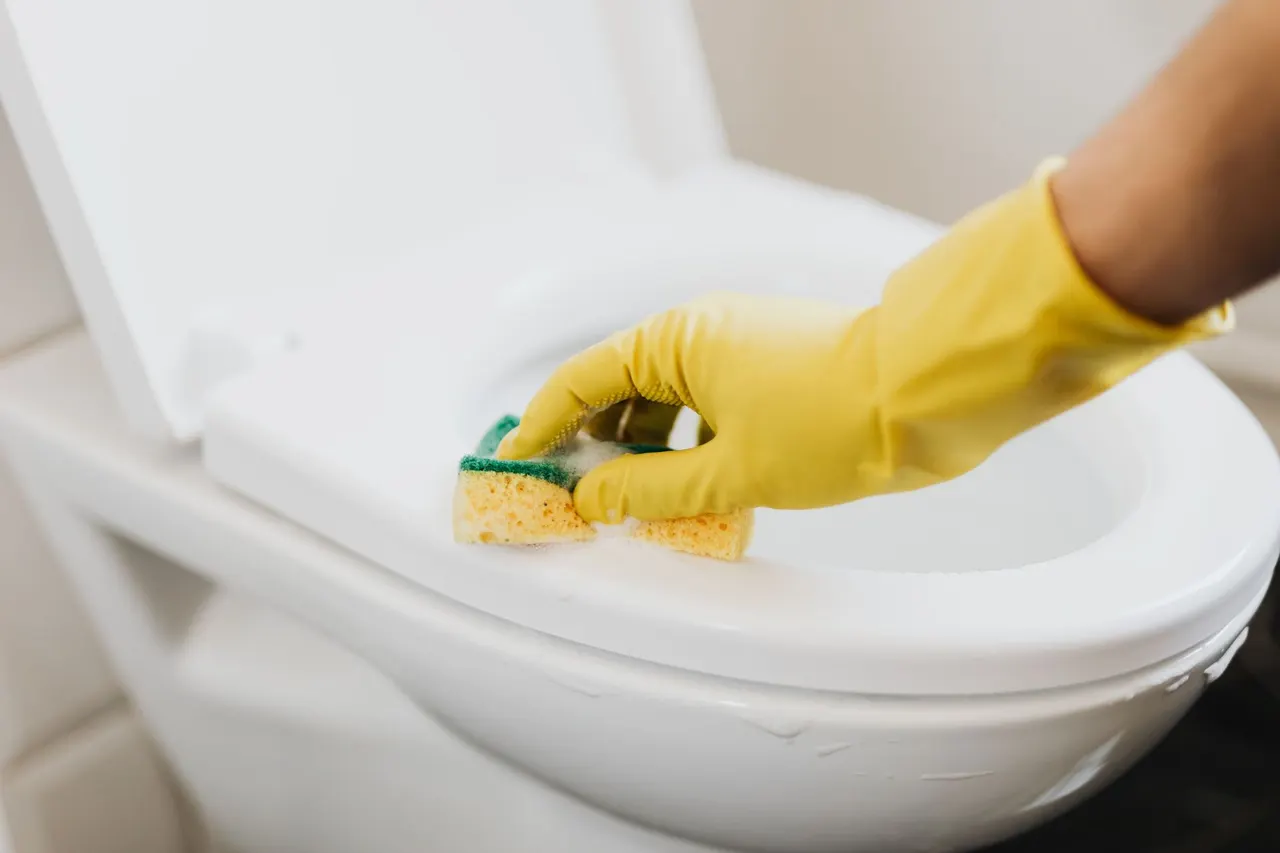
Water Leak Detection in santee starts with a phone call and ends with a dry floor. We use thermal imaging cameras, acoustic listening devices, and pressure testing gauges to pinpoint hidden water leaks behind walls, under slabs, and inside irrigation lines across Santee, California. Whether you have a spike in your water bill or a warm spot on the floor, our technicians find the source without tearing your home apart.
Useful updates and clear arrival timing.
Review the approach and price before deciding.
Equipped vehicles and respectful cleanup.
Neighbors serving neighbors with follow-through.
Every detection call includes a full system check, not just a quick listen. We test the supply side, the drain side, the pool, and the irrigation system if you have one. You get a written report with the leak location, pipe material, and repair options. Here is what is covered in the standard fee.
We isolate your main line and pressurize the system with a gauge to determine whether the leak is on the supply side or the drain side. This test takes about 20 minutes and narrows the search area by half before we bring in acoustic or thermal gear.
Our technician walks the property with acoustic listening devices and a FLIR thermal imaging camera. We sweep every room, the yard, the pool deck, and any accessible crawl space. This is where most hidden leaks get found without opening a wall.
We confirm every acoustic and thermal hit with a moisture meter. If the meter does not agree, we keep looking. This step prevents false positives and ensures the spot we mark is the actual leak, not just a wet area near it.
You get a one-page report with the leak location marked on a simple diagram, the pipe material, and photos from the thermal camera. This document is yours to keep and is detailed enough to hand to any repair contractor for a bid.
If you want us to handle the repair, we provide a separate quote with options ranked by cost and longevity. If you prefer to use your own plumber, the detection report gives them everything they need to fix it right the first time.
Share what is happening and receive a clear next step from the local team.
Water Leak Detection in santee is the process of finding exactly where water is escaping from your pipes, fixtures, or irrigation system using non-invasive tools before any drywall or concrete gets opened. We start with a full pressure test on your main line, then sweep the property with acoustic listening devices and thermal imaging cameras to hear and see the leak. Once we mark the spot, we confirm with a moisture meter and pipe inspection camera so you know the repair scope before we pick up a wrench.
Santee sits in San Diego County where clay soil shifts with every wet winter and dry summer, and that movement cracks copper pipes and pulls apart PVC joints under slabs and driveways. Homes near Carlton Hills and the Santee Lakes area deal with high water tables after heavy rain, which pushes underground pipe leaks to the surface. If your water bill jumped 30 percent and nothing changed inside, you need professional water leak detection santee CA residents call first.
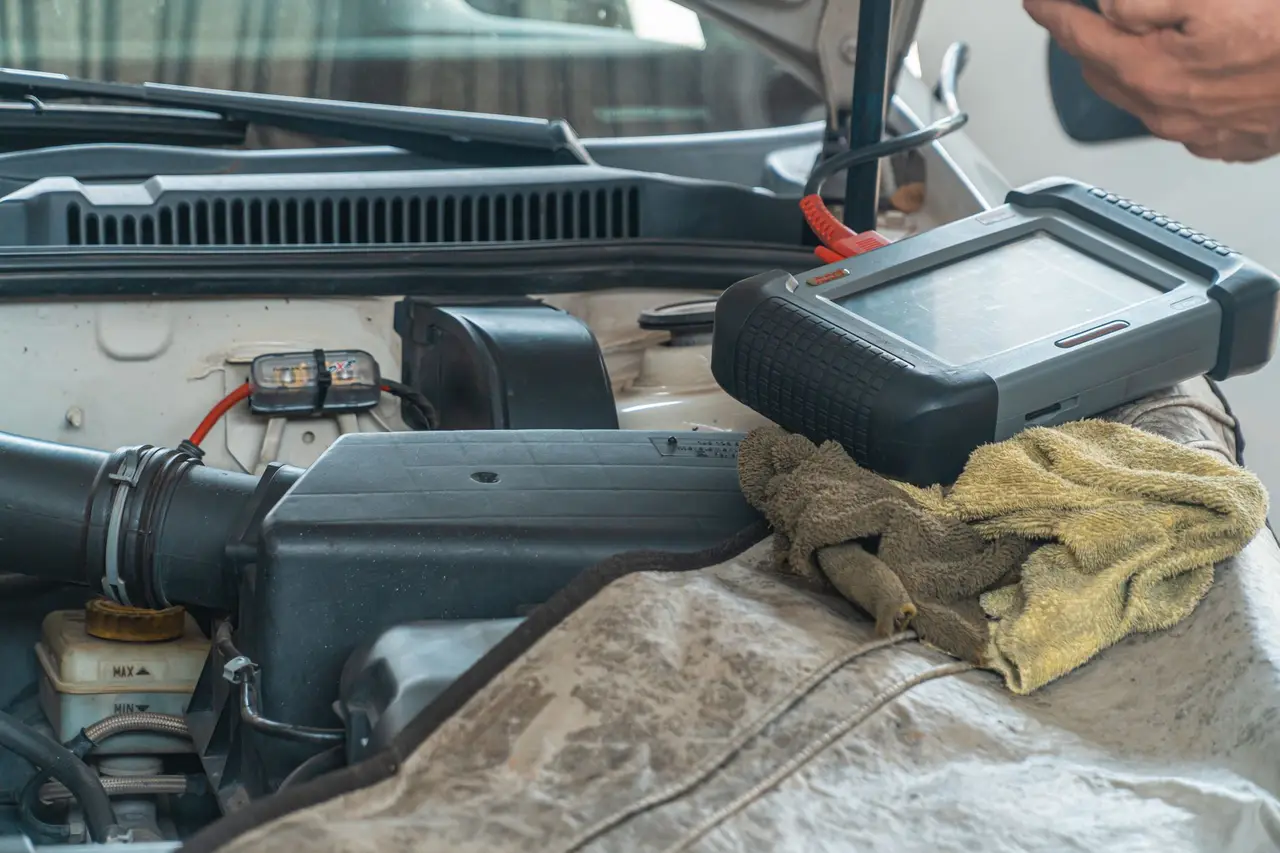
We ask about your water bill, visible moisture, and whether the meter spins with everything off. That five-minute call tells us whether to bring slab gear, pool gear, or irrigation gear, and we give you a two-hour arrival window.
We isolate the main line and pressurize the system with a gauge. If pressure drops, we know the leak is on the supply side. If it holds, the problem is on the drain side. This step takes 15 to 20 minutes and narrows the search area by half.
Our technician walks the property with acoustic listening devices and a FLIR thermal imaging camera. Underground pipe leaks hiss at a frequency the microphone picks up, and slab leaks show as warm streaks on the infrared screen. We sweep every room, the yard, and the pool deck.
We confirm the location with a moisture meter and, if needed, a pipe inspection camera. Then we mark the spot with paint or tape and photograph it. You see the evidence on the screen before we discuss repair.
You get a one-page summary with the leak location, pipe material, and repair options ranked by cost. If you want us to handle the repair, we schedule it on the spot. If you want a second opinion, you have the documentation to get one.

Ground microphones and pipe contact probes that pick up the sound of water escaping a pressurized pipe. This is our primary tool for slab and underground leaks.
Infrared cameras that show temperature differences on walls and floors. Hot-water leaks appear as warm streaks, and cold-water leaks show as cool spots.
Moisture meters and pressure gauges that confirm acoustic and thermal hits. We use these to rule out false positives before marking a repair spot.
RIDGID and General Pipe Cleaners video systems that let us see inside drain and sewer lines to find cracks, root intrusion, and blockages.
Sewerin and Gutermann detectors that find gas leaks and hard-to-trace water leaks by introducing a safe tracer gas into the line and tracking it to the exit point.
Calibrated gauges that isolate the supply side from the drain side. This is always step one because it tells us which half of the system to focus on.
Handheld thermometers that check surface temperatures on walls, floors, and ceilings to confirm thermal imaging findings before we mark a spot.
We shut off the main valve and pressurize the system with a gauge. If pressure drops, the leak is on the supply side. If it holds, we move to the drain side. This method takes 20 minutes and eliminates half the possibilities before we bring in acoustic gear.
We place two or more acoustic sensors on the slab or pipe and compare the time it takes for the leak sound to reach each one. The difference tells us the exact location of the leak. This is the same method utility companies use to find main line leaks.
We sweep walls and floors with a FLIR camera and look for temperature anomalies. A hot-water leak shows as a warm streak, and a cold-water leak shows as a cool spot. We map the entire path, not just the endpoint, which helps the repair crew plan the least invasive fix.
For hard-to-find leaks in drains or underground lines, we introduce a safe tracer gas into the pipe and use a Sewerin detector to find where it escapes. This method works when acoustic gear cannot get a clear signal.
We run a RIDGID or General Pipe Cleaners camera through drain and sewer lines to see cracks, root intrusion, and bellies. This is the only way to confirm a drain leak without digging.
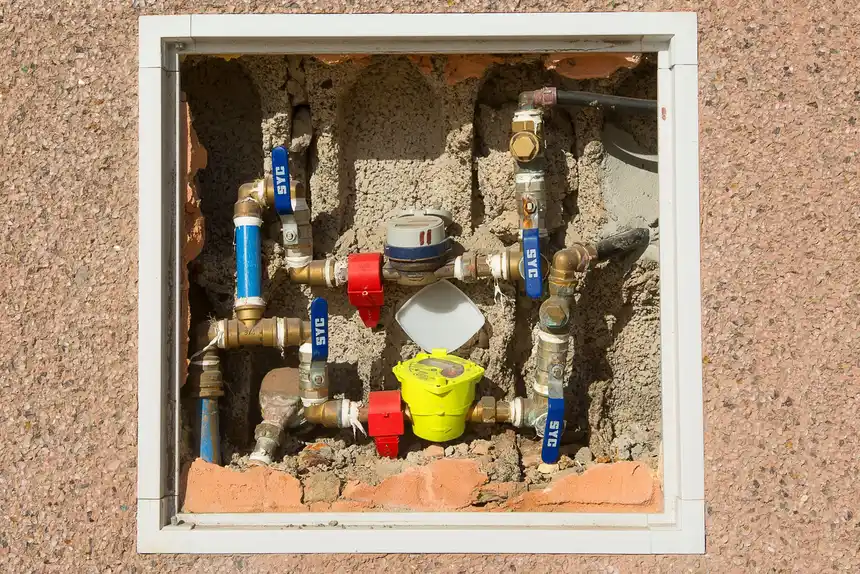
We run a full pressure test and sweep the property with acoustic and thermal gear. If the leak is on the supply side, we find it. If the meter holds, we check the pool and irrigation system, which are the two most common culprits in Santee. You get a marked leak location and a written report the same day. Most customers see their next bill drop back to normal after the repair.
We perform a pre-purchase leak detection inspection that covers the supply lines, drains, water heater, pool, and irrigation system. We pressure test everything and provide a written report with photos. You know exactly what you are buying. If we find a leak, you have documentation to negotiate the repair cost into the sale price.
We pressure test the pool plumbing and use dye testing at the shell, skimmer, and light niche. If the leak is underground, acoustic gear traces it without draining the pool. The pool repair company knows exactly where to dig. You stop wasting water and chemicals, and the pool holds its level again.
We offer emergency water leak detection in Santee with after-hours dispatch. A technician arrives, pressure tests the system, and uses acoustic gear to find the leak while the house is quiet, which makes listening easier. You get the leak located and shut off or repaired before it causes major damage. Most emergency calls are resolved the same night.
We isolate each sprinkler zone and pressure test the lateral lines. A broken lateral or a stuck valve shows up immediately. We mark the break and give you a repair quote. You fix one section instead of replacing the whole system. The water bill drops, and your lawn stops turning into a swamp.
Santee's climate and soil create specific leak patterns. The clay soil expands when it rains and shrinks in summer, which shifts the ground under slabs and cracks copper pipes. Homes built in the 1960s and 1970s near Carlton Hills and Santee Town Center often have original copper supply lines that are now 50 years old and prone to pinhole leaks. Newer developments like Sky Ranch and Weston use PEX piping, which fails differently, usually at the fittings. We adjust our detection method based on the pipe material and the neighborhood. After a wet winter, we see a spike in underground pipe leaks and irrigation system leaks because the saturated soil puts pressure on joints. In summer, slab leaks and pool leaks dominate because the soil dries and shifts. If you are searching for affordable water leak detection in santee, California, we keep our pricing consistent across every neighborhood and every season.
Mostly 1960s and 1970s tract homes with original copper supply lines. Slab leaks and pinhole leaks in walls are common. We bring acoustic gear and thermal cameras on every call here.
A mix of older homes and newer condos. We see more drain leaks and water heater leaks here because of the density and shared walls. Video pipe inspection is often needed.
Newer construction with PEX piping. Leaks here usually happen at fittings and manifolds, not in the pipe itself. We pressure test each zone to isolate the failure.
High water table after heavy rain. Underground pipe leaks and irrigation leaks surface faster here because the soil is already saturated. We check the main line and irrigation zones first.
Family neighborhoods with a mix of pipe materials. Pool leaks and irrigation leaks are common because most homes have both. We bring dye testing and pressure gear for pools.
This movement cracks underground pipes and pulls apart joints. We see a spike in underground and slab leaks after every wet winter. Acoustic gear is the best tool for these because the leak is often 3 to 6 feet deep.
Dry soil shifts and creates voids under slabs, which stresses pipes and causes leaks. Summer is our busiest season for slab leak detection. We use thermal imaging because the temperature difference is easier to read in dry conditions.
Copper pipes from the 1960s and 1970s develop pinhole leaks and pitting. These leaks are small and slow, so they often go unnoticed until the water bill spikes. We pressure test and use acoustic listening devices to find them.
When the water table rises, it pushes against underground pipes and finds weak joints. Leaks here surface faster but can be harder to pinpoint because the whole area is wet. We use tracer gas detectors when acoustic signals are muddy.
A homeowner in Carlton Hills had a water bill that jumped from $80 to $210 in one month. The floor in the hallway was warm to the touch, and a hairline crack had appeared in the tile. They had no idea where the leak was and were worried about tearing up the whole floor.
We pressure tested the main line and confirmed a hot-water slab leak. Thermal imaging traced it to a spot under the hallway, and acoustic gear narrowed it to within 4 inches. The repair crew cut one 2-foot section of slab, fixed the copper pipe, and poured new concrete. The whole repair took one day.
Maintenance: We recommend a pressure test every two years for homes with original copper plumbing. If you notice a warm spot or a bill spike, call us before the leak undermines the slab.
A property manager in Weston noticed the water bill for a rental property was $180 higher than normal for three months straight. The lawn had a soggy patch that never dried, and the irrigation timer was set correctly. They needed to find the leak without digging up the whole yard.
We isolated each irrigation zone and pressure tested the lateral lines. Zone 4 would not hold pressure. Acoustic gear traced the leak to a cracked lateral line 18 inches underground, 6 feet from the valve box. The repair took two hours and cost $220. The next water bill dropped by $190.
Maintenance: We suggest checking irrigation zones once a year before summer. A simple pressure test on each zone catches small leaks before they waste thousands of gallons.
A homeowner near the Santee Lakes area was losing about 1 inch of water per day from their pool. The chemicals were always off, and the pump was running longer than usual. They had already paid one company to look at it, but no leak was found.
We pressure tested the pool plumbing and found a cracked return line under the deck. Dye testing confirmed the leak at a fitting. We marked the spot, and the pool repair company cut one section of deck, replaced the fitting, and pressure tested the line. The pool held its level the next day.
Maintenance: Check your pool level weekly. If you lose more than a quarter inch per day with the pump off, call us. Early detection saves deck demolition and chemical costs.
Every leak has a signature. These are the problems we see most often in Santee homes and how we solve them with the right tools and experience.
A hidden slab or underground leak can waste 10,000 gallons a month and cost you $200 or more per billing cycle. Left alone, it can undermine your foundation and cause cracks in tile and drywall. We pressure test the main line, then sweep the slab and yard with acoustic listening devices and thermal imaging cameras. Once we mark the leak, you get a report and a repair quote. Most customers see their bill return to normal within one cycle.
A hot-water slab leak creates a warm spot that can warp hardwood and loosen tile. The moisture feeds mold, which becomes a health issue and a restoration expense if it spreads. We use a FLIR thermal imaging camera to trace the warm streak back to the leak source. Then we confirm with a moisture meter and mark the spot. The repair crew cuts one small section, and we test the line after the fix.
A pool leak wastes thousands of gallons and throws off your chemical balance, which can damage the pump and filter. If the leak is under the deck, it can also erode the soil around the pool shell. We pressure test the pool plumbing and use dye testing at the shell and fittings. If the leak is underground, we use acoustic gear to trace it. You get a report that tells the pool repair company exactly where to dig.
An underground irrigation or main line leak keeps the soil saturated, which kills grass and attracts roots to the pipe. In Santee's clay soil, the water can also find its way under your foundation. We isolate the irrigation zones and the main line, then pressurize each one to find the leak. Acoustic gear pinpoints the break within a few inches. We mark it and give you a repair plan that does not require digging up the whole yard.
That sound means water is moving through a pipe somewhere it should not be. It could be a toilet flapper, a hidden supply line leak, or a slab leak. Ignoring it wastes water and money every day. We start with a full pressure test and a meter check. If the meter spins with everything off, we sweep the property with acoustic gear. Most of these calls end with a simple flapper replacement or a marked supply line leak that takes an hour to fix.
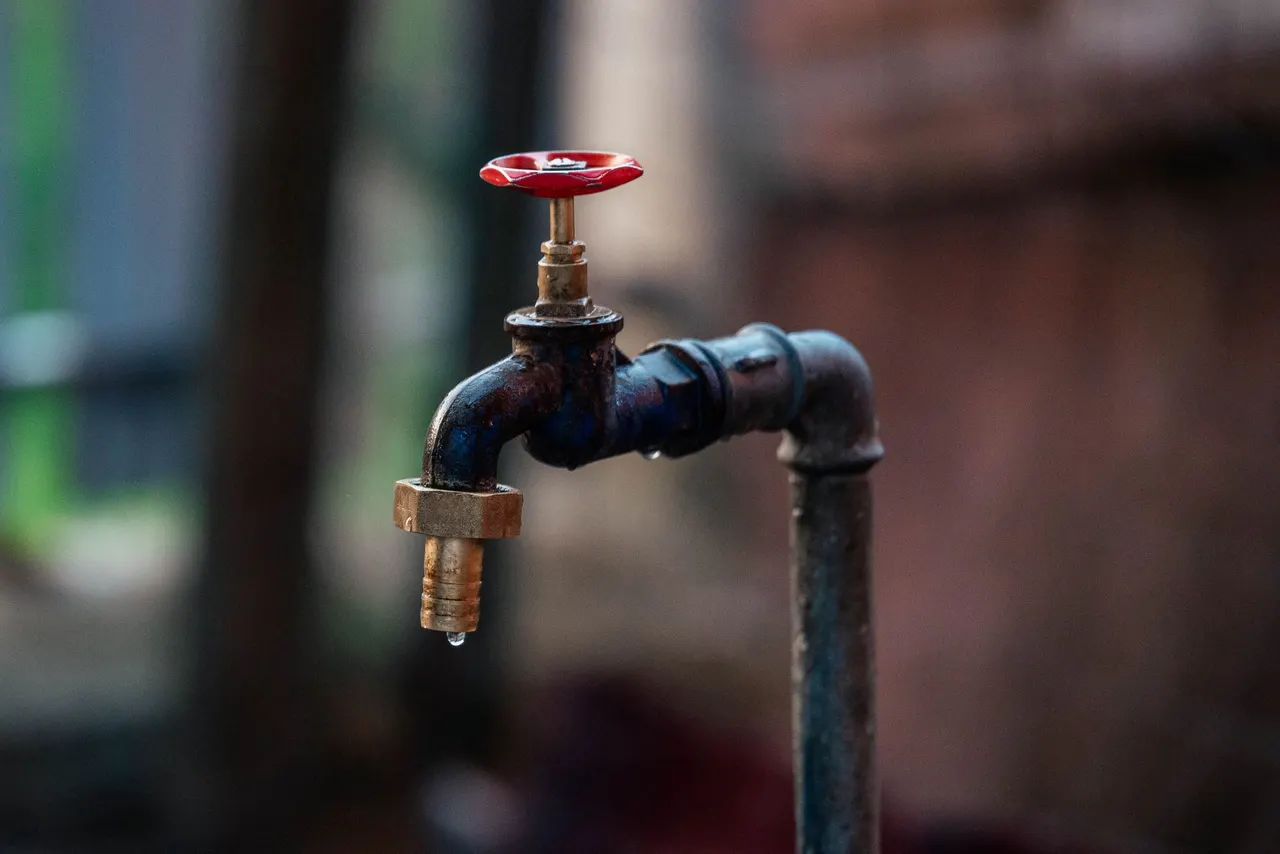
Our technicians have worked San Diego County pipes for over 20 years, and we have completed more than 4,000 leak detection calls in that time. We hold a California Contractor License (C-36 Plumbing) and carry Backflow Prevention Certification, which matters when a main line repair touches your meter. Every tech trains on RIDGID and General Pipe Cleaners inspection equipment and recertifies on thermal imaging every two years. We know Santee building stock from the 1960s tract homes near Carlton Hills to the newer PEX builds in Sky Ranch.
Most residential water leak detection calls in Santee run $250 to $550 in 2026, depending on whether we are checking a single fixture or sweeping an entire slab and yard. Pool and underground main line detection can reach $650. The fee covers the full inspection, all equipment, and a written report. If you hire us for the repair, we credit a portion of the detection fee toward the work.
Start by shutting off every fixture and checking your water meter. If the dial still spins, you have a supply-side leak. Then look for warm spots on the floor, musty smells near baseboards, or a water bill that jumped more than 20 percent. If none of that narrows it down, call us. We use acoustic listening devices and thermal imaging cameras to find leaks behind walls and under slabs without tearing anything apart.
The five most common signs we see in Santee are a spike in your water bill, the sound of running water when everything is off, warm or damp spots on the floor, hairline cracks in tile or drywall, and mold or mildew near baseboards. Outside, look for a soggy patch in the yard that never dries or a pool that loses more than a quarter inch of water per day. Any one of these justifies a detection call.
Yes. Hidden leaks behind walls, under slabs, and inside irrigation lines are exactly what our equipment is built for. Acoustic listening devices pick up the sound of water escaping a pipe, and thermal imaging cameras show the temperature difference a leak creates. We confirm every hit with a moisture meter before we mark it. In most Santee homes, we locate the leak within 6 inches of accuracy.
Not seeing your question? Our local team can help you understand urgency, scheduling and what to expect.
Ask the local team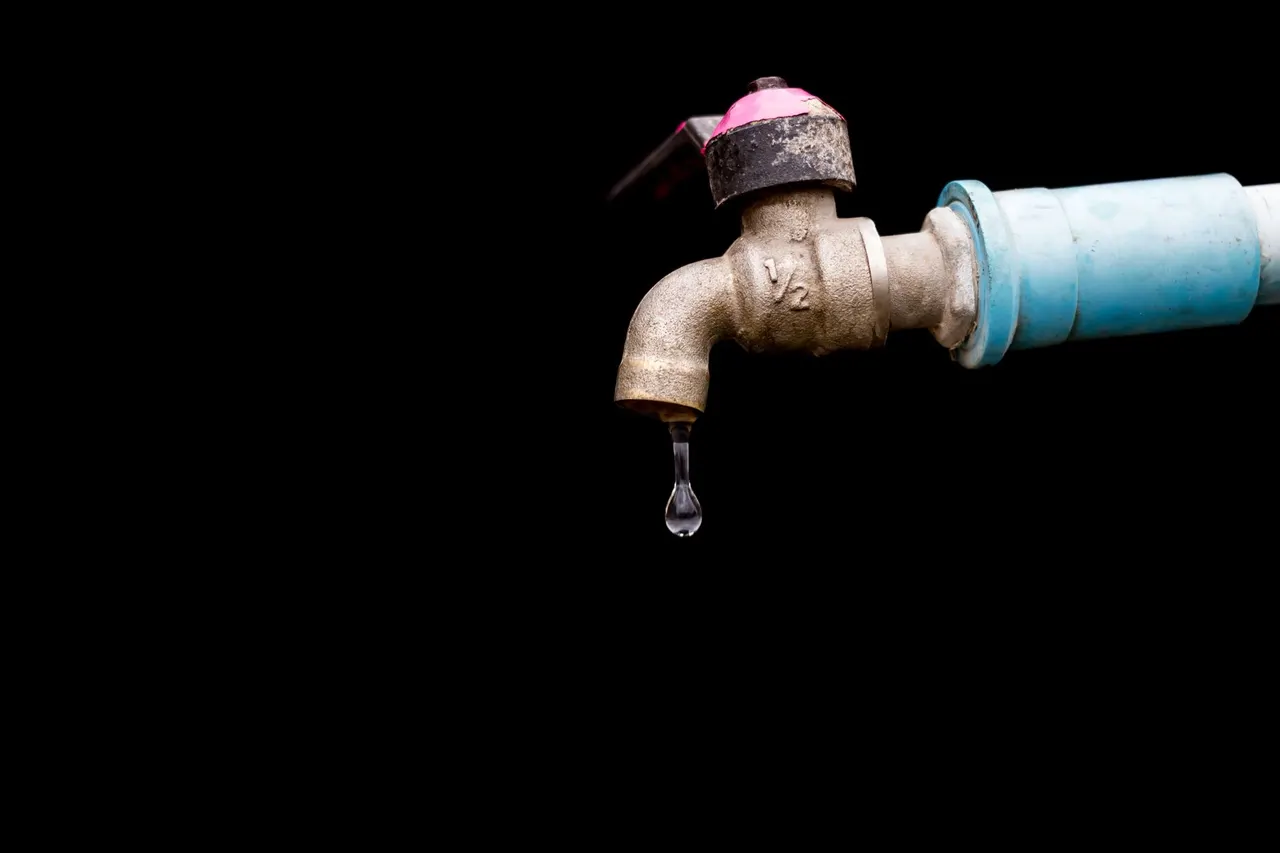
Santee pools lose water to evaporation, but more than a quarter inch a day usually means a leak in the shell or plumbing. We pressure test pool lines and use dye testing to find the source without draining your pool.
View serviceSlab leaks are common in Santee's older tract homes where copper pipes sit under the foundation. We use acoustic and thermal gear to pinpoint the break, then mark it so the repair crew cuts one small section instead of the whole floor.
View service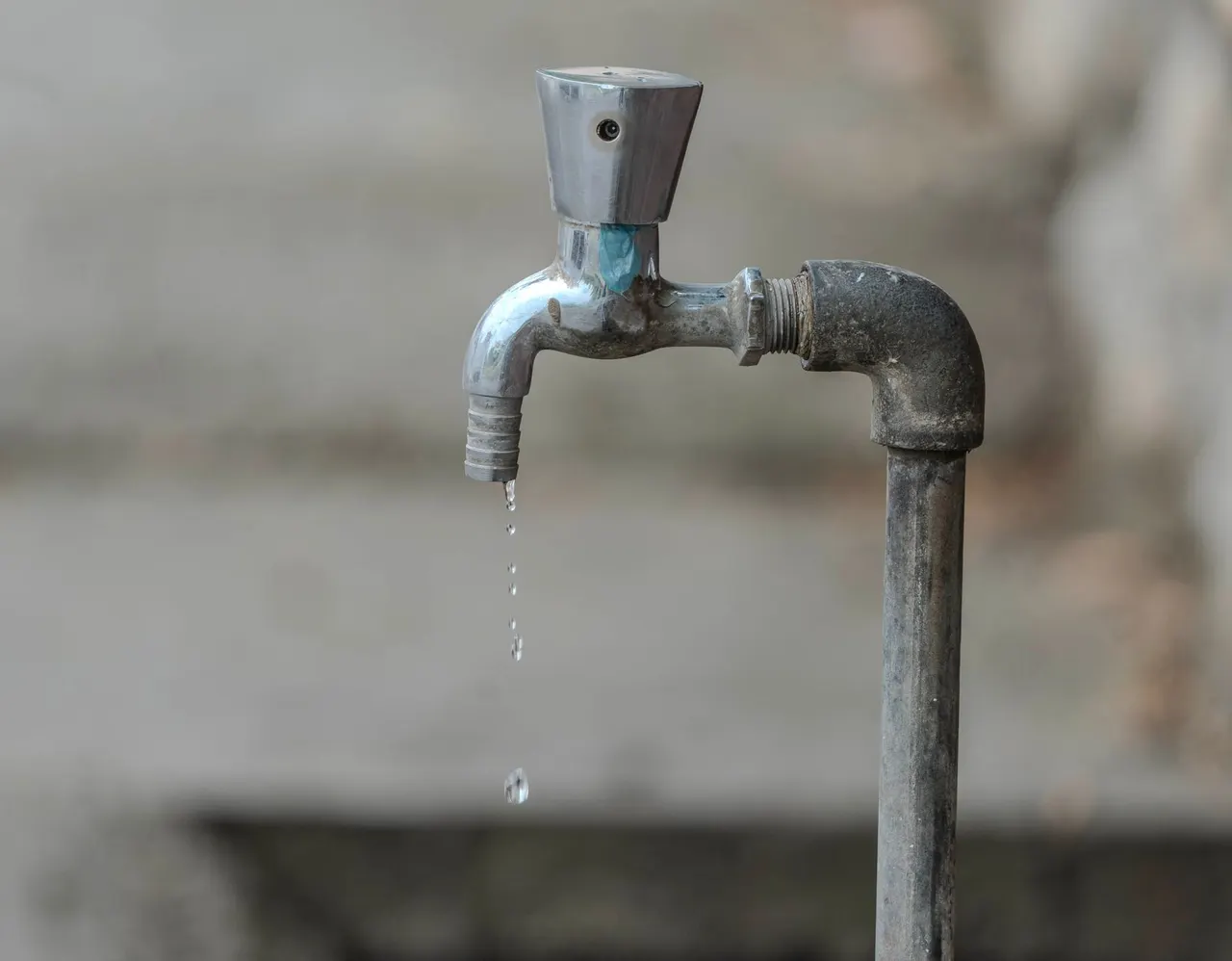
Your main water line runs underground from the meter to the house, and tree roots or soil movement can crack it. We trace the line, pressurize it, and listen for the leak so you do not dig up the whole yard.
View service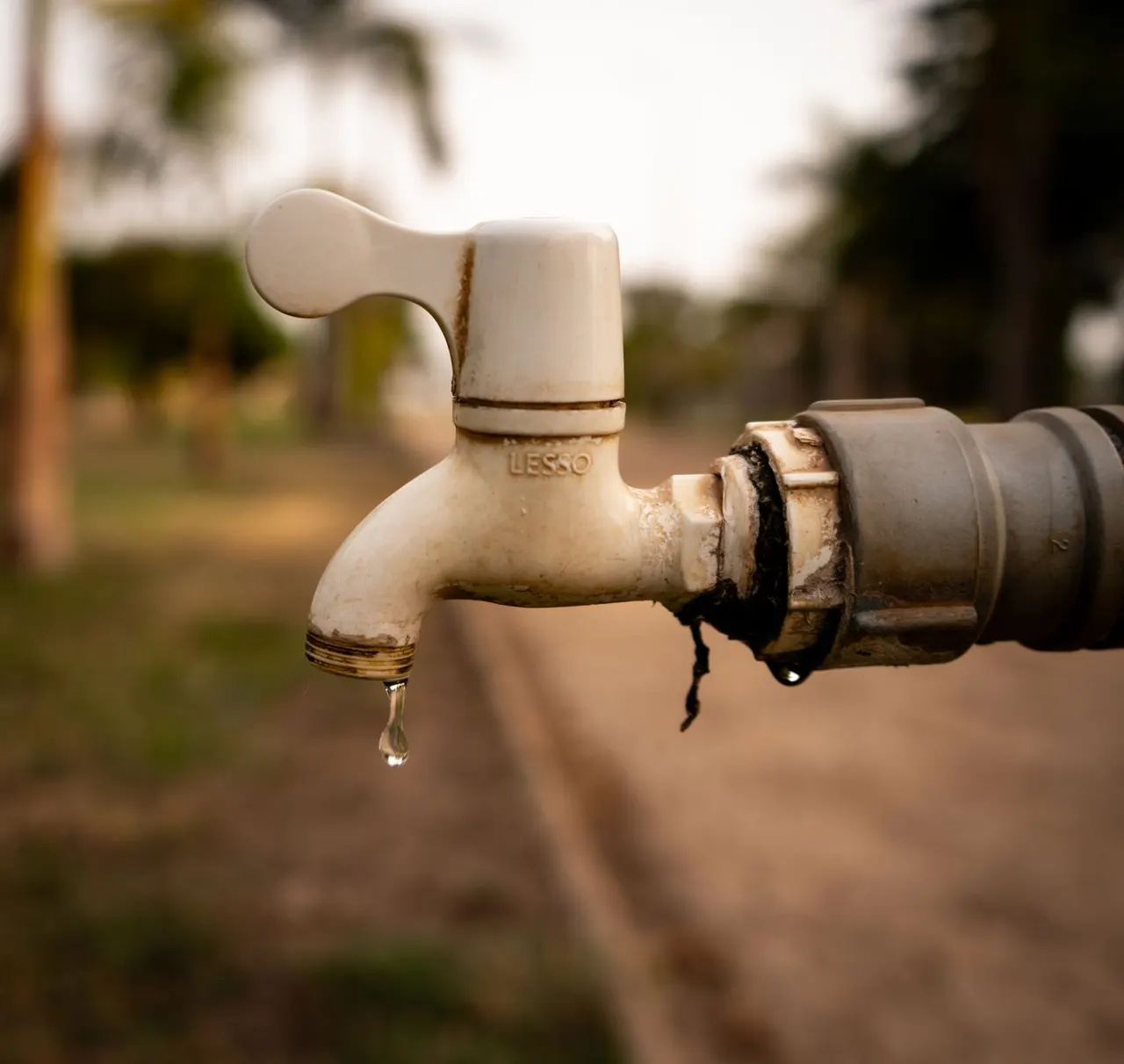
Supply and drain lines inside your walls can leak for months before you see damage. We test both sides of the system and use pipe inspection cameras to check drain lines for cracks and root intrusion.
View service
Call us at +16199390817 or email [email protected] and we will get a technician to your door. We answer the phone 24/7 for emergencies and book same-day appointments Monday through Friday. If you are not sure whether you have a leak, call anyway. We will tell you straight.