Focused arrival windows
Useful updates and clear arrival timing.
Plumbing Leak Detection in santee starts with a real diagnosis, not guesswork. We use acoustic listening devices, thermal imaging cameras, and pressure testing gauges to pinpoint hidden water leaks behind walls, under slabs, and inside your yard. If you are searching for plumbing leak detection near me santee, our licensed technicians serve homeowners and businesses across San Diego County with same-day appointments and clear, upfront pricing.
Useful updates and clear arrival timing.
Review the approach and price before deciding.
Equipped vehicles and respectful cleanup.
Neighbors serving neighbors with follow-through.
Every diagnostic call includes the tools, the time, and the documentation you need to make a repair decision. We do not charge extra for thermal imaging or acoustic scanning. If you approve the repair, we credit part of the diagnostic fee toward the work.
We isolate your domestic water, irrigation, and sewer lines, then pressure-test each one to confirm where the loss is. This step takes 15 to 20 minutes and tells us whether the leak is inside the house or outside in the yard.
We walk the property with a FLIR thermal imaging camera and acoustic listening devices, marking the floor or wall where the signal is strongest. The camera shows temperature differences as small as 0.1 degrees, which reveals hidden water leaks behind walls and under slabs.
For slab leaks, sewer line leaks, and underground pipe leaks, we run a RIDGID pipe inspection camera through the line to see the failure point directly. You see the screen and we explain what failed before anyone cuts concrete.
You get a written summary of what we found, where it is, and what it will take to fix it. We include photos and pressure readings so you have a record for insurance or resale. No vague verbal estimates.
If you approve the repair, we credit part of the diagnostic fee toward the work. That means the scan effectively costs you less when you hire us to fix the leak, and you get one invoice for the whole job.
Share what is happening and receive a clear next step from the local team.
Plumbing Leak Detection in santee is the process of locating water leaks in your pipes, fixtures, and drainage lines without tearing your home apart. We start by isolating your system, then use electronic leak detection equipment, acoustic listening devices, and thermal imaging cameras to hear and see where water is escaping. Once we confirm the leak, we mark the exact spot, explain what failed, and give you a written price to repair it. Most residential jobs take two to four hours from arrival to diagnosis.
Homes across santee deal with hard water, clay soil movement, and aging copper pipes that pinhole after years of pressure swings. A hidden water leak under a slab or behind a wall can waste hundreds of gallons a week and quietly rot framing or lift flooring. If you need a santee plumbing leak detection company that shows up with real equipment instead of a flashlight and a guess, we handle residential plumbing leak detection santee and commercial properties alike. We also cover plumbing leak detection in weston santee CA and the surrounding neighborhoods.
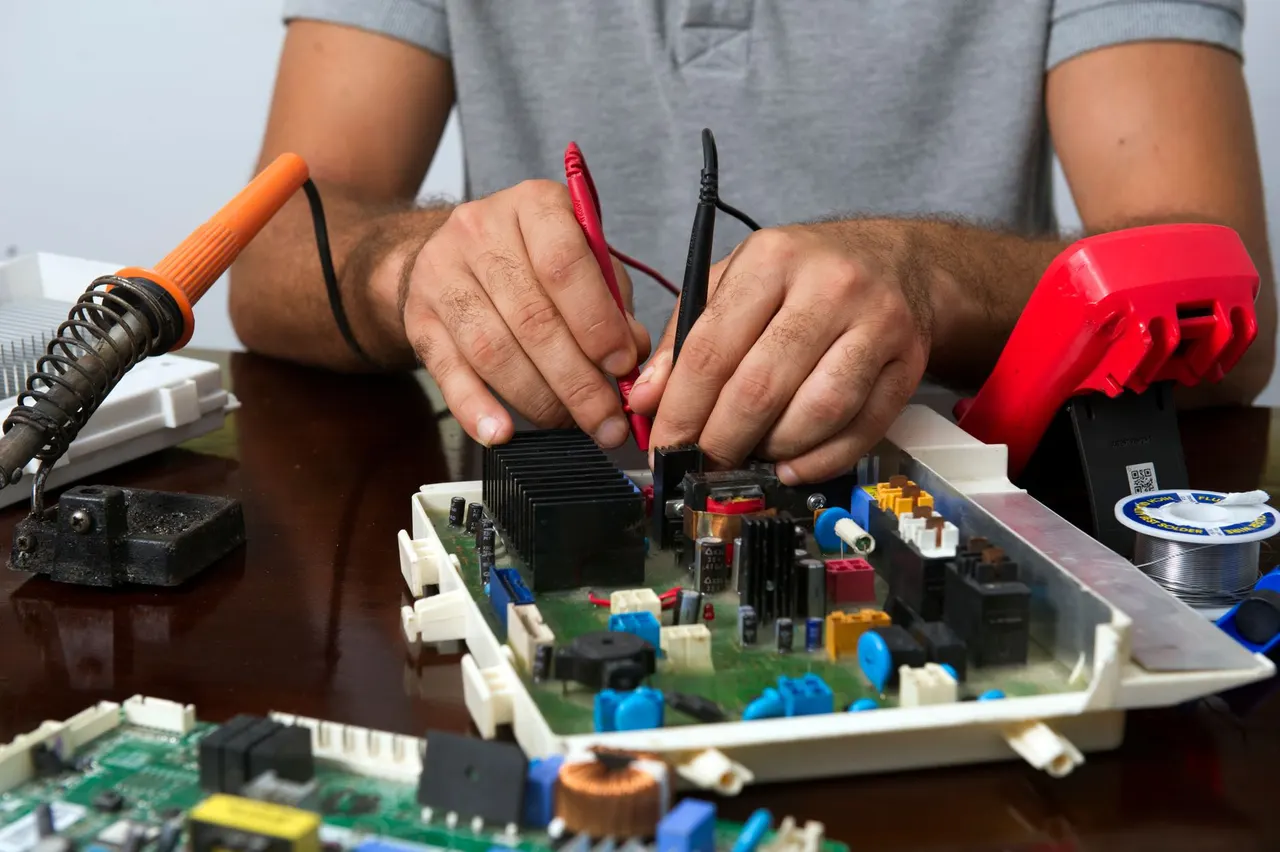
You call +16199390817 and describe what you are seeing: a spike in the water bill, a warm spot on the floor, a sound of running water at night. We ask a few questions, give you a ballpark range, and book a same-day or next-morning window. Most calls are scheduled within four hours.
On arrival, the technician shuts off fixtures and appliances, then attaches pressure testing gauges to isolate the domestic water system from irrigation and sewer lines. This step takes 15 to 20 minutes and tells us whether the leak is on the supply side, the drain side, or outside the house.
We walk the property with acoustic listening devices and a FLIR thermal imaging camera. Copper and PEX piping both transmit sound differently, and the camera shows temperature differences as small as 0.1 degrees. We mark the floor or wall with tape where the signal is strongest.
For slab leaks and underground pipe leaks, we confirm with a pipe inspection camera or tracer gas detectors before anyone cuts concrete. You see the screen, we show you the depth and direction, and we tell you whether a spot repair or a reroute makes more sense for your home.
We repair the line with code-correct materials, then re-pressurize the system and hold it for 30 minutes to confirm the fix. You get a written summary of what failed, what we did, and how to watch for it again. Most repairs are finished the same day.

Show temperature differences as small as 0.1 degrees, revealing hidden water leaks behind walls and under slabs without demolition.
Amplify the sound of water escaping under pressure, which is our first tool for slab leaks and underground pipe leaks.
Confirm the exact failure point inside sewer lines and drain lines before we recommend a repair.
Measure moisture content in drywall, framing, and subfloor to confirm the leak and check for hidden damage.
Isolate the domestic water, irrigation, and gas lines and hold pressure to confirm the leak is fixed before we leave.
Find gas leaks and hard-to-locate water leaks in lines where acoustic tools are not enough.
Cut, repair, and reassemble with clean edges so the finished work looks like it was never touched.
We shut off fixtures and appliances, then attach pressure testing gauges to isolate the domestic water system from irrigation and sewer lines. This 15 to 20 minute step tells us which side of the system is losing water before we scan anything.
We walk the property with acoustic listening devices and a thermal imaging camera, comparing the sound signature and temperature reading at each point. When both tools agree, we mark the spot with tape. This method locates most hidden water leaks within a few inches.
For lines where acoustic tools are inconclusive, we introduce a safe tracer gas into the pipe and use a detector to find where it escapes. This is common on underground pipe leaks and gas leaks where the line is deep or under concrete.
We run a RIDGID or General Pipe Cleaners camera through sewer and drain lines to see cracks, root intrusion, and offset joints directly. You see the screen, and we explain what failed before recommending a repair.
We repair with copper pipes, PEX piping, or PVC pipes to match the existing system, using pipe sealant, solder, and Teflon tape where appropriate. After the repair, we re-pressurize and hold for 30 minutes to confirm the fix.
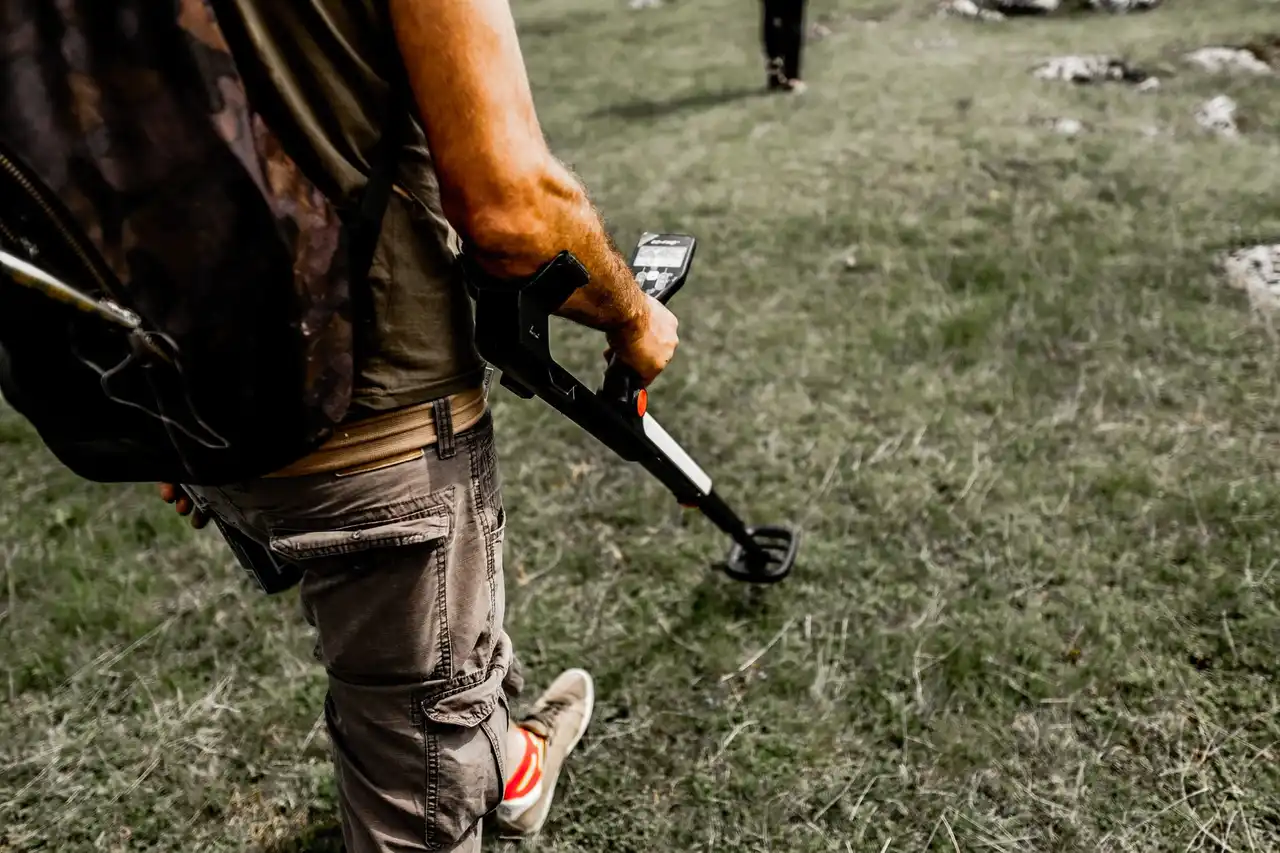
We isolate the domestic water, irrigation, and pool lines, then pressure-test each one. Acoustic listening devices and thermal imaging cameras find the loss, and we mark the repair spot before anyone opens a wall or cuts concrete. You get a confirmed leak location and a repair price the same visit. Most customers see the bill drop the next billing cycle.
We run a full leak detection inspection: pressure-test the supply lines, scan with thermal imaging, and run a pipe inspection camera through the sewer line. You get a written report with photos and pressure readings. You know exactly what you are buying. If we find a leak, you have documentation to negotiate the repair or walk away.
We pressure-test the tank and fittings, check the T&P valve and anode rod, and tell you whether a repair or replacement makes sense. If it is a simple fitting leak, we fix it on the spot. Hot water back the same day in most cases, with a clear price before we start.
Call us immediately at +16199390817. We dispatch a technician with tracer gas detectors and pressure testing gauges, find the leak on the gas line, and repair or replace the failed section to code. The leak is stopped and the line is pressure-tested before we leave. We do not leave a gas leak unresolved.
Santee sits on clay-heavy soil that expands and contracts with our wet winters and dry summers, and that movement stresses underground pipe leaks and slab leaks more than most of San Diego County. Older tracts in Carlton Hills and Santee Town Center still have original copper pipes, which pinhole after decades of hard water and pressure swings. Newer builds in Sky Ranch and Fanita Ranch area use PEX piping, which fails differently at fittings and manifolds. We adjust our scan based on what is in your walls. If you need plumbing leak detection and repair santee CA, we handle both, and we know the 92071 and 92040 ZIP codes block by block. Winter rain raises the water table and pushes irrigation system leaks to the surface, so we see more yard and pool calls from December through March. Summer heat drives slab leak calls as the soil dries and shifts.
Many homes here were built in the 1960s and 1970s with original copper pipes. Pinhole leaks and slab leaks are common, and we know the typical floor plans.
A mix of older homes and newer condos. We see more supply-line leaks in the condos and slab leaks in the single-family tracts.
Newer construction with PEX piping. Leaks here tend to be at fittings and manifolds rather than in the pipe itself.
Larger lots with long irrigation runs. Sprinkler system leaks and underground pipe leaks are the most common calls we get here.
Higher water table in wet months. We check for irrigation system leaks and foundation leaks after heavy rain.
Soil movement stresses underground pipe leaks and slab leaks, especially at joints. We use acoustic gear and tracer gas detectors to find breaks that do not show at the surface.
Hard water scales copper pipes and shortens their life. We see more pinhole leaks in older santee homes, and we repair with materials that hold up to local water chemistry.
Winter rain raises the water table and pushes irrigation system leaks to the surface. Summer heat dries the soil and shifts slabs, which is when slab leak calls spike.
Homes built before 1980 often have copper pipes at the end of their service life. We pressure-test the whole system and tell you what is likely to fail next.
A homeowner noticed a warm spot on the floor and a water bill that jumped $110 in one month. The slab was original 1972 concrete, and no visible leak existed inside or outside the house.
We isolated the hot-water line, used acoustic listening devices and a FLIR camera to mark the break within four inches, then cut a 14-inch access panel and replaced the failed copper section with new copper. The repair passed a 30-minute pressure test.
Maintenance: We recommended a pressure test every two years and a water softener to slow scale buildup in the remaining copper. The homeowner now checks the meter monthly for early signs.
A Weston homeowner had a soggy patch in the yard and a water bill that climbed $80 over two months. The main line ran 60 feet from the meter to the house under a concrete walkway.
We traced the line, used tracer gas detectors to find the break under the walkway, and repaired the PVC pipe with a spot repair. We pressure-tested the line and restored the concrete the same week.
Maintenance: We marked the repair location on a site map and suggested an annual irrigation check each spring to catch new leaks early.
A condo owner smelled mustiness in the bathroom and saw paint peeling near the baseboard. The wall was dry on the surface, but a moisture meter read 28 percent inside the drywall.
We scanned with a thermal imaging camera, found a failed shower valve connection inside the wall, and replaced the valve and the damaged drywall section. The moisture reading dropped to 9 percent within 48 hours.
Maintenance: We told the owner to run the shower for a minute each week and watch for new stains. A $180 valve repair prevented a $2,500 mold and framing job.
Most calls start with a symptom the homeowner cannot explain. Here are the ones we hear most often, and what happens if they are ignored.
A hidden water leak under a slab or in the yard can waste 200 gallons a day and add $80 to $150 a month to your bill. Left alone, it erodes soil and can undermine your foundation. We isolate the system, pressure-test each zone, and use acoustic listening devices to find the break. Most hidden leaks are located within two to three hours, then repaired the same day with code-correct materials.
A warm spot usually means a hot-water slab leak. The constant moisture softens soil, causes uneven settling, and can crack tile or lift flooring within a few months. We confirm the leak with thermal imaging cameras and acoustic gear, mark the exact spot, and repair or reroute the line. We pressure-test after the repair and hold it for 30 minutes before we leave.
That is water inside the wall. It feeds mold, rots framing, and damages drywall. A small pinhole leak can turn into a $3,000 repair if it runs for a season. We scan the wall with a FLIR camera and moisture meters, find the source, and repair it. If the leak is in a copper pipe, we cut out the failed section and replace it with new copper or PEX piping.
An underground pipe leak or pool leak wastes water and can undermine a driveway, patio, or pool deck. Pool leaks also throw off chemistry and cost you in chemicals. We trace the line, use leak detection dye and pressure testing gauges to confirm the break, then repair it with minimal digging. We also check irrigation system leaks while we are on site.
Our technicians carry California Contractor License (C-36 Plumbing) credentials and train on the same equipment used by utility crews. We work with RIDGID and General Pipe Cleaners inspection cameras, Sewerin and Gutermann acoustic gear, and Fluke moisture meters. Every tech is OSHA safety compliant and backflow prevention certified where required. We have diagnosed slab leaks, pool leaks, and irrigation system leaks across santee and San Diego County, and we know how local soil and water chemistry affect copper, PEX piping, and PVC pipes over time.
Most residential diagnostics run $180 to $450 in 2026, depending on whether we are scanning a single wall or the whole property. Slab leaks and underground pipe leaks take longer and sit at the higher end. If you approve the repair, we credit part of the diagnostic fee toward the work. Call +16199390817 for a same-day quote.
Start by shutting off every fixture and watching your water meter for 15 minutes. If the dial still moves, you have a hidden water leak. Check for warm spots on the floor, a musty smell under cabinets, or a water bill that jumped more than 20 percent. If you cannot find it in an hour, call us. We locate it with acoustic and thermal tools in one visit.
The common signs are a water bill spike, the sound of running water when everything is off, warm or damp spots on the floor, peeling paint, and a musty odor near baseboards. Outside, look for a soggy patch in the yard or a pool that loses more than a quarter inch of water a day. Any of these means it is time for a professional scan.
Yes. We use acoustic listening devices, thermal imaging cameras, and tracer gas detectors to find leaks behind walls, under slabs, and inside irrigation lines without tearing your home apart. We confirm the spot with a pipe inspection camera before anyone cuts concrete. Most hidden leaks are located within two to three hours of arrival.
Not seeing your question? Our local team can help you understand urgency, scheduling and what to expect.
Ask the local team
Water leak detection covers supply lines, fixtures, and appliances inside your home. If your meter spins with everything off, we isolate the source and mark the repair spot before any drywall comes down.
View service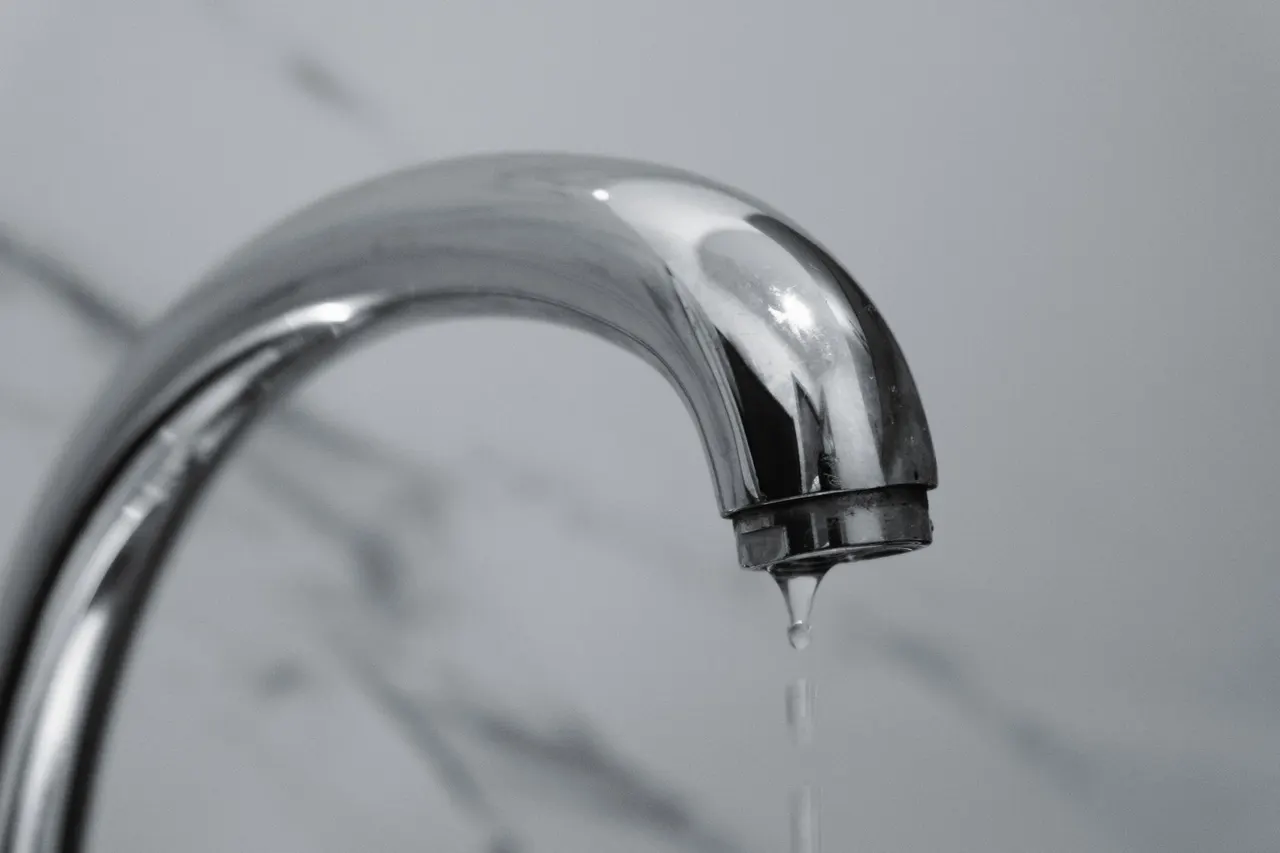
A pool that loses more than a quarter inch of water a day usually has a leak in the shell, plumbing, or fittings. We pressure-test pool lines and use leak detection dye to find it without draining the pool.
View serviceSlab leaks happen when copper pipes under your foundation pinhole or corrode. We use acoustic listening devices and thermal imaging cameras to pinpoint the break, then repair or reroute the line with minimal concrete cutting.
View service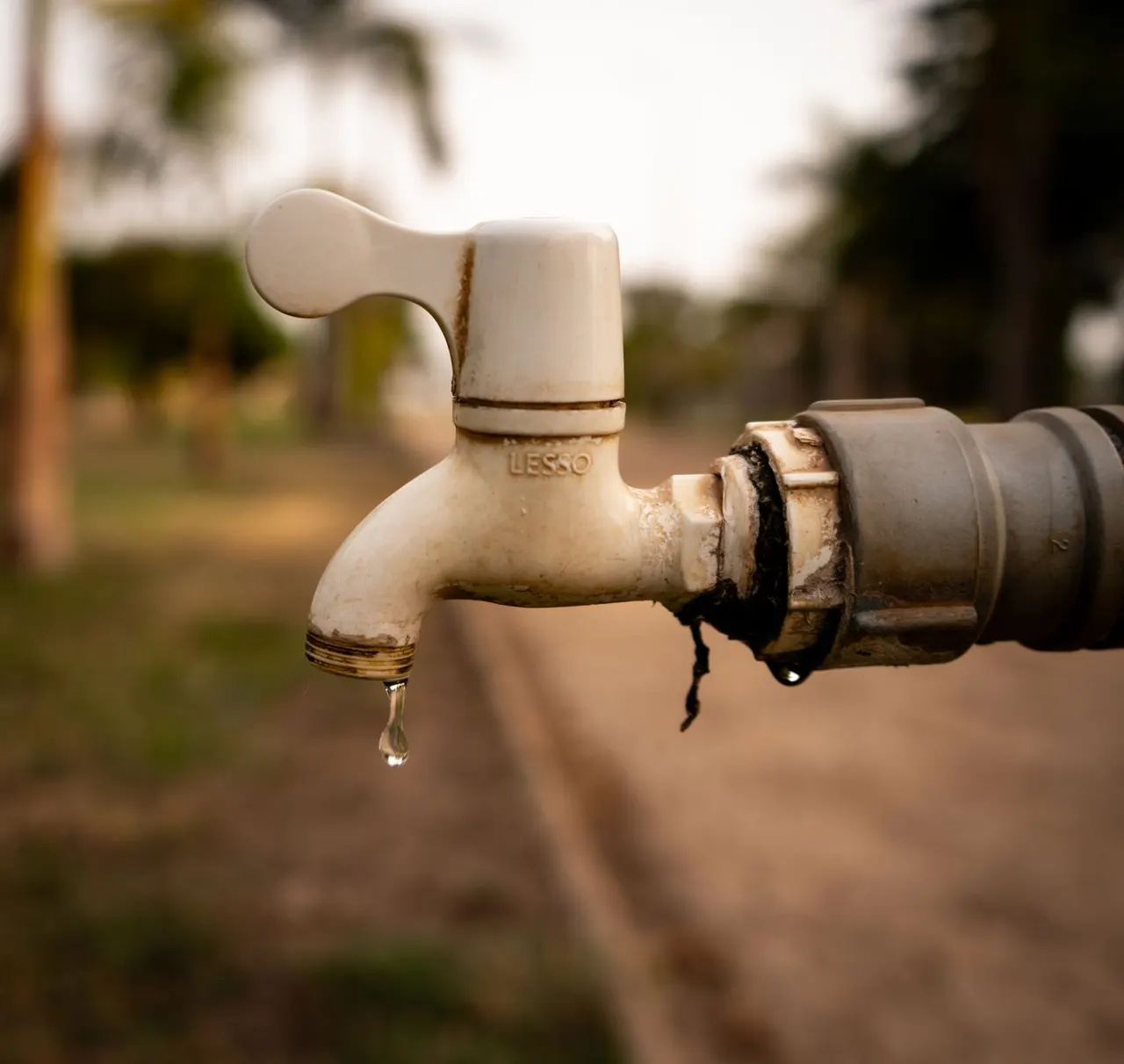
Underground pipe leaks between the meter and the house waste water and erode soil. We trace the line, locate the break with acoustic gear, and repair it before it undermines your driveway or foundation.
View service
Call us at +16199390817 or email [email protected] and we will get a technician to your door. We answer the phone 24/7 for emergencies and book same-day appointments Monday through Friday. If you are not sure whether you have a leak, call anyway. We will tell you straight.