Focused arrival windows
Useful updates and clear arrival timing.
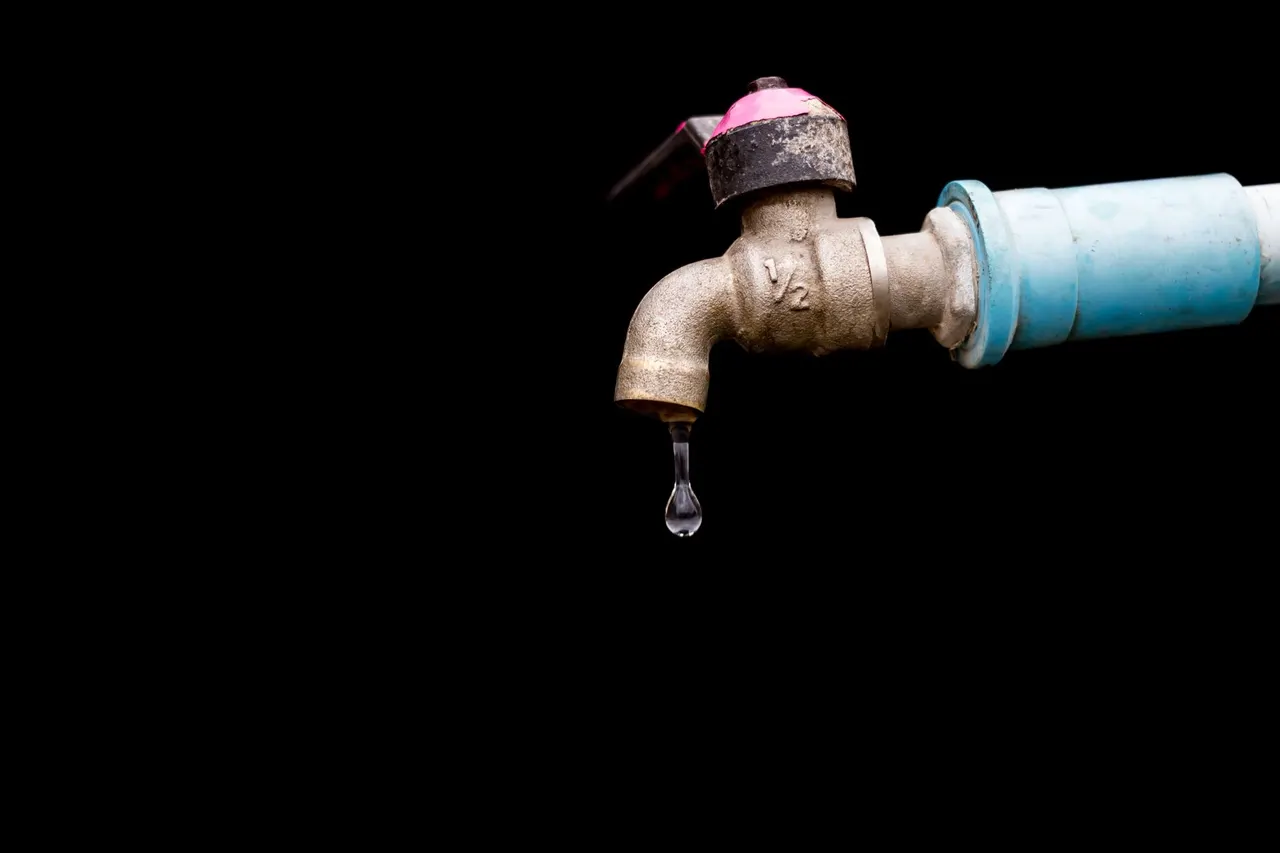
Acoustic Leak Detection in santee uses ultrasonic listening devices and thermal imaging cameras to pinpoint hidden water leaks behind walls, under slabs, and inside underground pipes. If you're hearing water run when nothing's on, watching your meter spin, or seeing a hot spot on the floor, we find the source without demolition. We serve homeowners and businesses across Santee, CA with same-day appointments and honest, upfront pricing.
Useful updates and clear arrival timing.
Review the approach and price before deciding.
Equipped vehicles and respectful cleanup.
Neighbors serving neighbors with follow-through.
Every acoustic leak detection call includes the full diagnostic sweep, confirmation with a second tool, and a written report. Repair work is quoted separately so you can decide what makes sense. Here's exactly what you get.
We attach ultrasonic leak detectors and acoustic listening devices to every accessible pipe run on the suspect system. The sweep covers supply lines, drain lines, and irrigation loops. Takes 30 to 60 minutes depending on system size and access.
Before and after the acoustic sweep, we isolate the system with pressure testing gauges to confirm the leak is on the line we think it's on. This prevents false positives and ensures we're not chasing a fixture leak instead of a pipe failure.
Every acoustic hit gets cross-checked with a FLIR thermal imaging camera or moisture meter. The camera shows temperature differences from escaping water. When both tools agree, we mark the spot with tape and document it with photos.
You get a written report that includes the marked leak location, pipe material (copper pipes, PEX piping, or PVC pipes), estimated depth, and photos of the acoustic readings. This report is detailed enough for insurance claims or a handoff to your own plumber.
If you want us to handle the repair, we provide a flat-rate quote on the spot. No hourly billing, no surprise add-ons. Our repair work carries a two-year workmanship warranty and uses code-correct materials.
Share what is happening and receive a clear next step from the local team.
Acoustic Leak Detection in santee is a non-invasive diagnostic service that uses sensitive microphones and ultrasonic leak detectors to hear the sound of pressurized water escaping a pipe. Every leak produces a distinct frequency, and our equipment isolates that signal from normal household noise. We attach sensors to your pipes, walls, and slab, then walk the system until the sound peaks. That's your leak. No guesswork, no exploratory demolition, no cutting into drywall hoping to get lucky.
Santee sits on a mix of aging copper pipes, original PVC drain lines, and newer PEX repipes, and each material fails differently. Copper pinholes from hard water, PVC joints crack after ground movement, and slab leaks show up as unexplained spikes in your water bill. If you've been searching for acoustic leak detection santee CA near me because your meter won't stop spinning, we can usually isolate the leak within 90 minutes. We also handle pool leaks, irrigation system leaks, and gas leaks with the same acoustic approach.
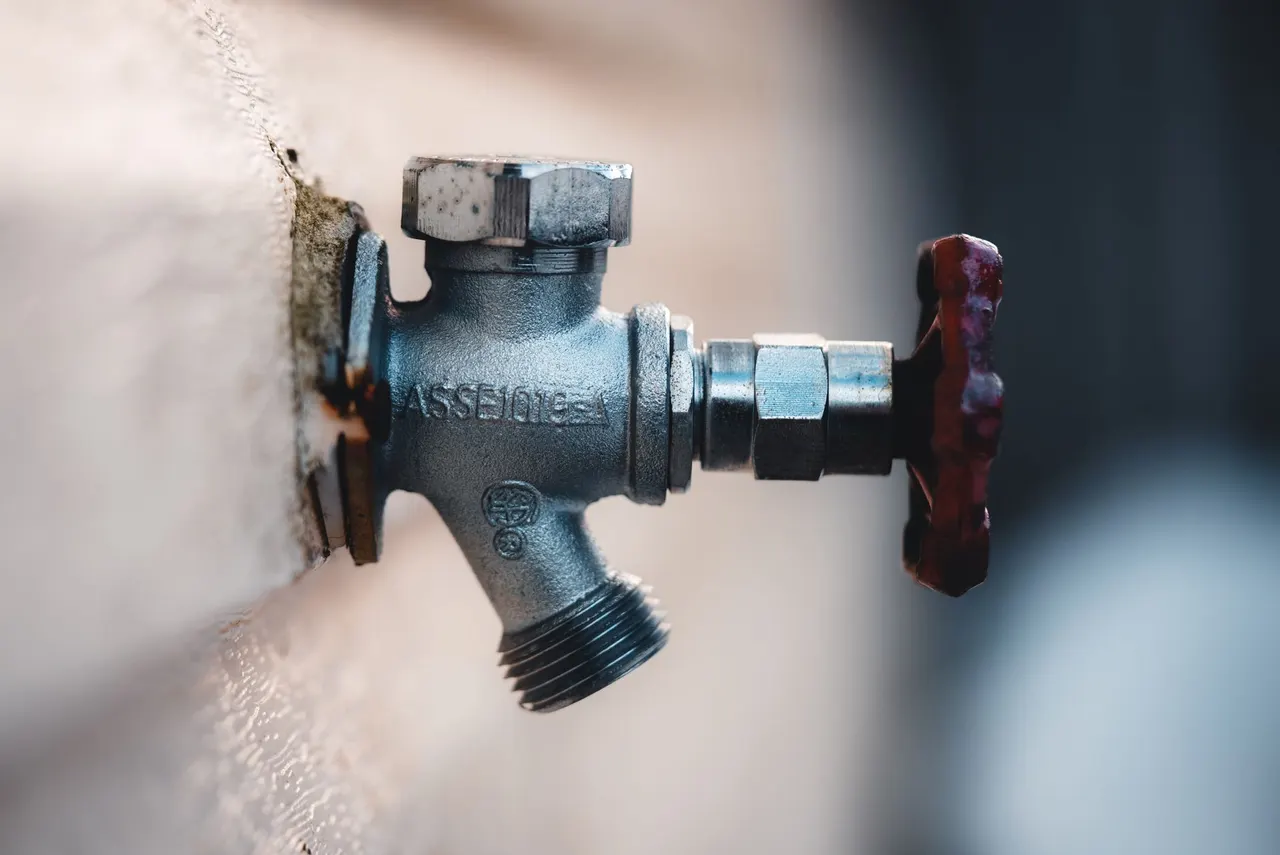
You call, we ask three questions: Is your meter spinning with everything off? Do you hear running water? Any warm spots on the floor? Those answers tell us whether you need acoustic water leak detection santee or a different diagnostic. We book a same-day or next-morning window and give you a price range on the spot.
We shut off fixtures one at a time and watch the pressure testing gauges. This isolates whether the leak is on the supply side, drain side, or irrigation loop. Takes 15 to 20 minutes. By the end, we know which pipe run is failing before we ever put a microphone on it.
We walk the suspect line with an ultrasonic leak detector and acoustic listening devices, moving in 6-inch increments. The meter needle jumps and the headphones hiss loudest directly over the leak. We mark the floor or wall with tape. This step takes 30 to 60 minutes depending on how much pipe we're covering.
We cross-check the acoustic hit with a thermal imaging camera or moisture meter. If the numbers agree, we've got your leak. You get a written report with the marked location, pipe material, depth, and photos. No vague 'somewhere in this wall' answers.
We walk you through the findings and give you a flat-rate repair quote. If you want us to handle the acoustic leak detection and repair santee CA work, we schedule it. If you're using your own plumber, we hand off the marked location and report. Either way, you're not left guessing.

Ground microphone and pipe-contact sensors that isolate leak frequencies on pressurized lines. We use these on slab leaks, underground mains, and pool plumbing.
Handheld ultrasonic sensors that pick up high-frequency leak noise in wall cavities and tight spaces. Effective on copper pipes and PEX piping behind drywall.
Infrared cameras that show temperature differences from escaping water. We use these to confirm acoustic hits and find leaks in slab floors and behind tile.
Calibrated gauges that isolate the leaking system before we start the acoustic sweep. Prevents false positives and confirms the leak is on the pipe, not a fixture.
Push cameras that let us see inside drain lines and sewer pipes. We use these after acoustic detection to confirm pipe condition and locate breaks or root intrusion.
Pin and pinless meters that measure moisture content in drywall, wood, and concrete. We use these to confirm the leak's path and check for hidden moisture damage.
For non-pressurized lines or hard-to-hear leaks, we introduce a tracer gas and sniff for it at suspected leak points. Effective on drain leaks and underground gas lines.
We move in 6-inch increments along the suspect pipe run, listening for the peak leak frequency. The location where the signal is loudest is the leak point. We mark it, then confirm with a second tool before opening anything.
We shut off fixtures one at a time and watch the pressure testing gauges. This isolates whether the leak is on the supply side, drain side, or irrigation loop. Takes 15 to 20 minutes and prevents us from chasing the wrong line.
Every acoustic hit gets cross-checked with a FLIR thermal imaging camera or moisture meter. When both tools agree on the location, we mark the spot and document it. This two-tool approach keeps our accuracy within 6 to 12 inches.
All repairs follow California Plumbing Code and California Contractor License (C-36 Plumbing) requirements. We use code-correct materials, pull permits when required, and test every repair before we leave.

We run a full acoustic sweep on the supply lines, drain lines, and irrigation system. Takes about two hours. You get a written report with photos and pipe condition notes that you can use in negotiations. You know exactly what you're buying. No surprise slab leak three months after you move in.
Acoustic detection isolates whether the leak is at the tank fitting, T&P valve, or the copper pipe feeding the unit. We confirm with a moisture meter and quote the right repair. You fix the actual problem instead of replacing a water heater that didn't need replacing.
We run acoustic detection first. In most cases, we find the leak within 90 minutes and mark it within 6 to 12 inches. Then we open one small access point instead of a whole wall. One small patch instead of major drywall repair. Most customers save $800 to $2,000 in restoration costs.
We use acoustic detection on each irrigation zone to find the failed valve or broken lateral. Underground irrigation leaks are common in Santee's older systems and don't always surface. We find the leak, repair it, and your water bill drops back to normal within one billing cycle.
Santee's housing stock splits into two eras: pre-1990 homes with original copper pipes and post-2000 builds with PEX piping. Copper fails from pinhole leaks caused by Santee's hard water, while PEX failures usually happen at fittings or from ground movement. We adjust our acoustic sweep based on what we're listening through. Slab-on-grade construction is common in Carlton Oaks and Weston, which means slab leaks show up as warm floor spots rather than wet ceilings. If you're in the Santee Lakes area, pool leaks and irrigation failures are the most common calls we run. We also work around San Diego County's clay-heavy soil, which holds water and can mask the surface signs of an underground pipe leak for months. That's why acoustic detection matters here: the leak is audible long before it's visible. Whether you need same-day acoustic leak detection santee or a scheduled pre-purchase inspection, we bring the same calibrated equipment and follow the same protocol.
Mostly 1970s ranch homes with original copper pipes. Pinhole leaks and slab leaks are the most common calls we run here.
Slab-on-grade construction and mature landscaping. Underground irrigation leaks and slab leaks show up frequently.
Pool leaks and irrigation system failures are common. Higher water tables can mask surface signs of underground leaks.
Newer construction with PEX piping. Leaks tend to be at fittings or from ground settling after heavy rain.
Mix of condos and single-family homes. Concealed leaks in shared walls are a frequent call for us.
Santee's water supply accelerates pinhole leaks in copper pipes. Homes built before 1990 are most at risk. Acoustic detection catches these early, before they stain drywall or warp flooring.
Underground pipe leaks in San Diego County don't always surface as wet spots. The soil absorbs water and hides the evidence. Acoustic detection finds the leak by sound, not by sight.
Santee sees hot summers and cool winters. Thermal expansion and contraction stress pipe joints. Most slab leaks we find happen after a temperature swing of 30 degrees or more.
Heavy winter rains shift soil and can crack underground pipes or irrigation lines. We see a spike in acoustic detection calls each spring after the rainy season.
Homeowner noticed a warm spot on the hallway floor and a $140 jump in the water bill. Two plumbers suggested jackhammering the entire hallway. The home had original copper pipes under a slab-on-grade foundation.
Acoustic detection found the leak within 8 inches of the actual break. We opened one 12-inch square, repaired the copper pipe, and patched the slab. Total repair time was four hours. Water bill dropped $90 the next month.
Maintenance: We recommended a pressure test every two years and a water softener to slow copper corrosion. Homeowner also added a leak detection dye test on the toilet flappers to catch future issues early.
Pool was losing an inch of water per day. Homeowner assumed the shell was cracked and was quoted $4,500 for a resurfacing job. The pump was also running dry and overheating.
Acoustic listening devices found a broken return line 18 inches underground. We repaired the PVC pipe without draining the pool. Total cost was $680. Water level stabilized within 24 hours.
Maintenance: We marked the repair location on the property and recommended an annual acoustic check on the pool plumbing before swim season. Homeowner now checks the water level weekly.
Condo owner saw a stained ceiling in the unit below and was told the leak was somewhere in a shared wall. No visible moisture in the owner's unit. HOA was ready to open the entire wall.
Acoustic sweep isolated the leak to a pinhole in a copper supply line behind the bathroom vanity. We opened one 8-inch access panel, repaired the pipe, and confirmed with a moisture meter. Total time was three hours.
Maintenance: We recommended the HOA schedule acoustic inspections on all shared walls every three years. The repair was documented for the HOA records with photos and pipe material notes.
Most Santee homeowners call us after they've already tried everything else. Here are the four problems we hear about most, and how acoustic detection solves them.
If your meter is spinning and nothing's running, you're paying for water that's going into the ground or your walls. A hidden leak can waste 200 gallons a day and add $80 to $150 to your monthly bill. We isolate the system with pressure testing gauges, then run an acoustic sweep on the suspect line. Most meter-spinning leaks are found within 90 minutes. We mark the location, confirm with thermal imaging, and quote the repair.
A warm spot on a slab floor usually means a hot water line is leaking under the concrete. Left alone, it erodes soil, shifts the slab, and can crack tile or drywall within a few months. Acoustic detection hears the pressurized leak through the slab. We pinpoint it within 6 to 12 inches, then open one small section for repair. No jackhammering the whole room.
A pool leak near Santee Lakes can waste 500 gallons a day and damage the pump if the water level drops below the skimmer. Evaporation alone doesn't account for that much loss. We use acoustic listening devices on the pump, return lines, and shell. Most pool leaks are in the underground plumbing, not the shell. We find the break and repair it without draining the pool.
A $200 jump in your water bill with no visible puddle usually means an underground pipe leak or irrigation system failure. These can run for months before surfacing. Acoustic detection finds underground leaks without digging up your yard. We sweep the main line and irrigation zones, isolate the failure, and mark the dig point. Most repairs are completed the same week.
Our technicians hold California Contractor License (C-36 Plumbing) credentials and carry IAPMO certification for pipe inspection work. We train on RIDGID and Sewerin acoustic platforms and recertify every two years. We've run acoustic sweeps on slab leaks in Carlton Oaks, pool leaks near Santee Lakes, and underground irrigation failures in Fanita Ranch. We know how Santee soil, water hardness, and older housing stock affect pipe failure because we work on it daily.
Most residential acoustic leak detection jobs in Santee run $185 to $425 in 2026, depending on system size and how deep the pipe sits. Pool and underground irrigation detection can reach $550. That price covers the full sweep, confirmation with thermal or moisture readings, and a written report. If we can't locate the leak, the detection fee is waived.
Acoustic detection pinpoints leaks within 6 to 12 inches on pressurized lines, which is accurate enough to cut a single small access hole. Accuracy drops slightly on non-pressurized drain lines or pipes deeper than 4 feet. That's why we cross-check every acoustic hit with a thermal imaging camera or moisture meter before we mark the spot.
Yes. Hidden water leaks behind walls, under slabs, and inside underground pipe runs are exactly what acoustic equipment is built for. We've located slab leaks in Carlton Oaks, concealed leaks in West Hills condos, and underground pipe leaks in Rio Seco yards. If water is escaping a pressurized pipe, the sound is there and our ultrasonic leak detectors will hear it.
It's a non-invasive method that uses sensitive microphones and ultrasonic leak detectors to hear the sound of water escaping a pipe. We attach sensors to your plumbing, walk the line, and find where the leak noise peaks. No demolition, no guessing. It works on copper pipes, PEX piping, PVC pipes, and underground water mains.
Not seeing your question? Our local team can help you understand urgency, scheduling and what to expect.
Ask the local team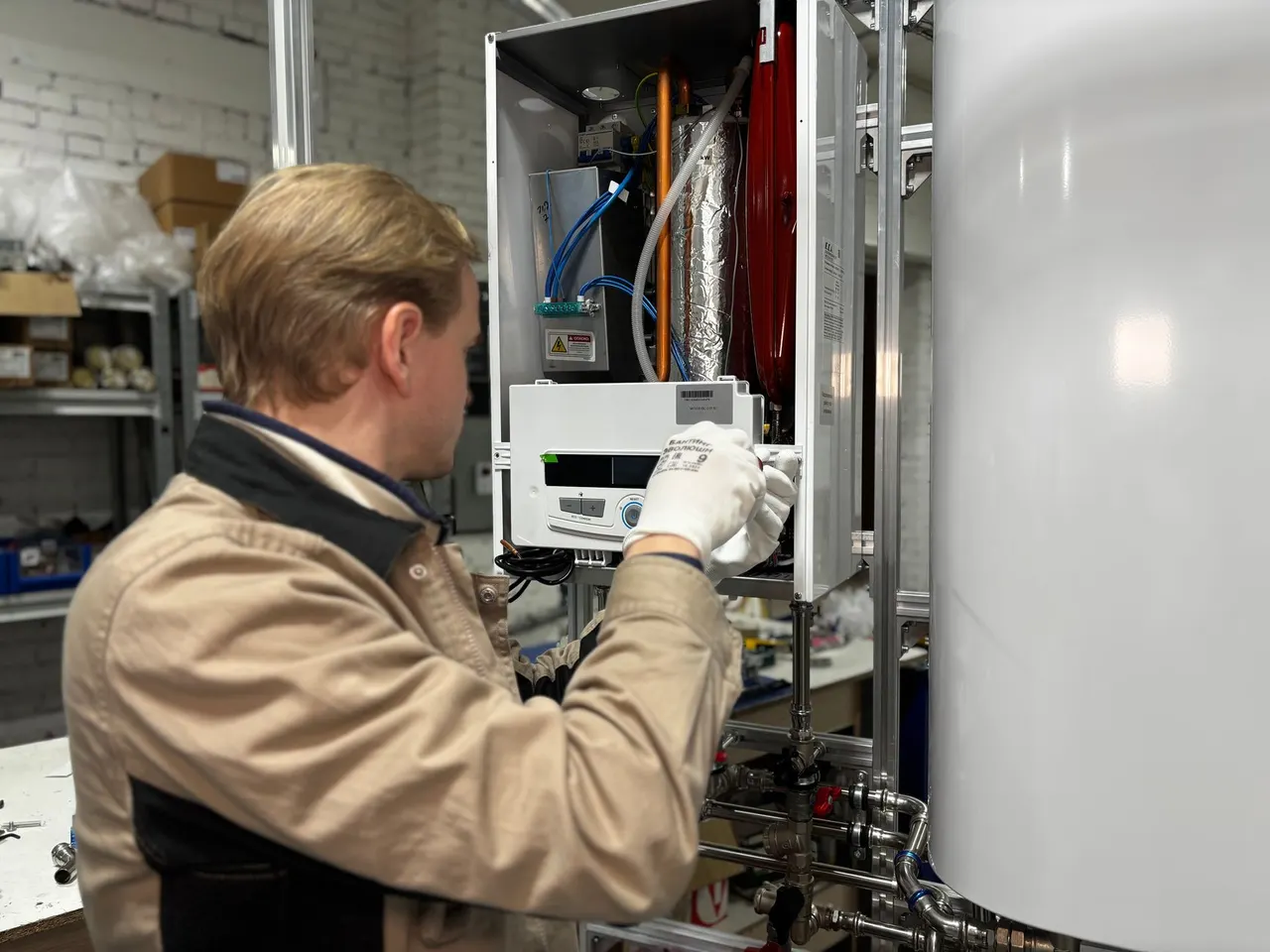
Acoustic detection is the first tool we reach for on any water leak call in Santee. Once we hear the leak, we can confirm it with pressure testing and moisture meters, then move straight into repair.
View service
Pool leaks near Santee Lakes often show up as unexplained water loss of an inch or more per day. We use acoustic listening devices on the pump and return lines to separate a pool shell leak from a plumbing leak.
View service
Slab leaks in Carlton Oaks and Weston are common in homes built before 1990. Acoustic detection pinpoints the break under the concrete so we can open one small section instead of jackhammering the whole room.
View service
Underground pipe leaks in Santee irrigation systems and water mains can run for months before surfacing. Acoustic sweep plus tracer gas detectors isolate the failure without digging up your entire yard.
View service
Call us at +16199390817 or email [email protected] and we will get a technician to your door. We answer the phone 24/7 for emergencies and book same-day appointments Monday through Friday. If you are not sure whether you have a leak, call anyway. We will tell you straight.