Focused arrival windows
Useful updates and clear arrival timing.
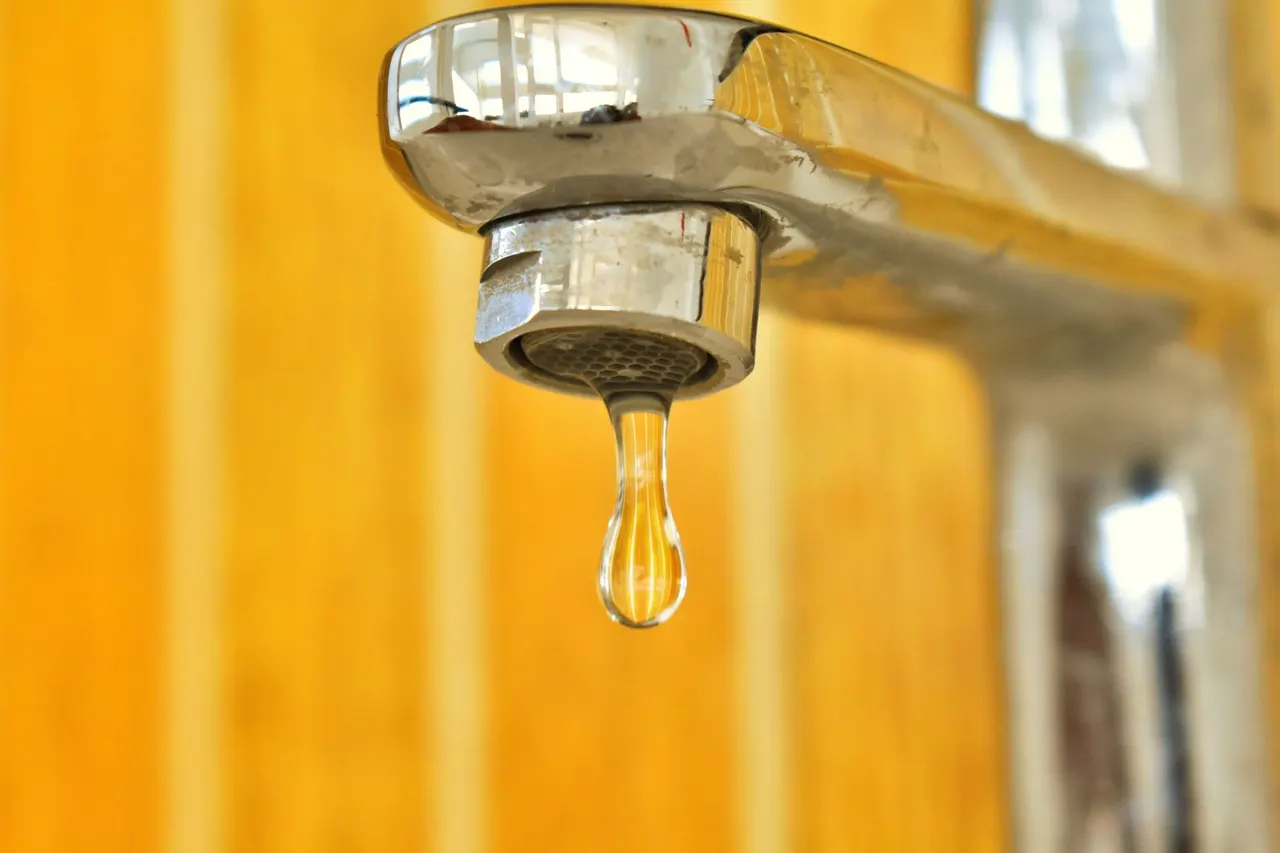
Slab Leak Detection in santee starts with pinpointing the pipe under your foundation before anyone cuts concrete. We serve homeowners and property managers across Santee, California with acoustic listening devices, thermal imaging cameras, and pressure testing gauges. If your water bill jumped, a hot spot is spreading across the floor, or you hear water running with every fixture off, call us at +16199390817 and we will find it.
Useful updates and clear arrival timing.
Review the approach and price before deciding.
Equipped vehicles and respectful cleanup.
Neighbors serving neighbors with follow-through.
Every slab leak detection visit includes the full diagnostic package below. If the repair is more than a spot fix, we price that separately and you decide before we start. No hidden fees, no surprise concrete work.
We isolate the hot and cold lines and pressurize each one with pressure testing gauges. This tells us which pipe is leaking and whether the main is also involved, before we spend time on the slab.
Acoustic listening devices and a FLIR thermal imaging camera cover the whole slab. We mark the leak location on the floor with tape and photograph it, so you have a record of where the problem is.
You get the pipe material, the depth, the marked location, and the repair options in writing. Hand it to your insurance company, your plumber, or your realtor. It is your record of what we found.
We lay out spot repair, reroute, and repipe with prices for each. You pick the one that fits your budget and your plans for the house. No pressure to choose the biggest job.
If we do the repair, we pressure test the new line before we close the floor. You see the gauge hold before the concrete goes back. That is how we know the leak is actually fixed.
Share what is happening and receive a clear next step from the local team.
Slab Leak Detection in santee is the process of locating a pressurized water line leak beneath your concrete foundation without tearing up the whole floor. We pressurize the system, listen through the slab with acoustic listening devices, and confirm the hot spot with a thermal imaging camera. Once we know the pipe's depth and path, we mark the exact spot so the repair crew opens a small, targeted area instead of a trench across your living room.
Most Santee homes sit on post-war and 1970s-80s slabs, and the original copper pipes under them are now 40 to 60 years old. Hard San Diego County water eats copper from the inside, and the first sign is often a spike of 3,000 to 8,000 gallons on your meter. If you have been searching for slab leak detection santee CA near me, we run residential slab leak detection santee calls seven days a week, including same-day slab leak detection santee appointments when the schedule allows.

We shut every fixture, watch the water meter, and pressurize the system with pressure testing gauges. A meter that keeps spinning with the house off confirms a slab leak. This step takes 15 to 20 minutes and tells us whether we are chasing a hot line, a cold line, or a drain.
We walk the slab with acoustic listening devices and an ultrasonic leak detector, listening for the hiss of water escaping a pressurized pipe. Copper under a slab transmits sound well, so we can usually narrow the leak to a 3-to-5-foot zone on the first pass.
A FLIR thermal imaging camera shows the warm trail a hot-water slab leak leaves under the floor. We scan room by room and mark the hottest point with tape. On cold-line leaks, we switch to tracer gas detectors and moisture meters to confirm the path.
We cross-check the acoustic hit against the thermal image and, when needed, run a pipe inspection camera or video pipe inspection system through the line. Two independent readings mean we are not guessing. We mark the spot on the floor and photograph it for your records.
You get a written location, the pipe material, and the repair options: spot repair, reroute through the attic, or repipe. We explain what each one costs and how long it takes. If you want us to handle the repair, we schedule it; if you have your own plumber, we hand off the marked location.

We listen through the slab for the hiss of pressurized water escaping a pipe. Copper transmits sound well, so this is usually the first tool that narrows the leak to a few feet.
A hot-water slab leak leaves a warm trail under the floor. The FLIR camera shows that trail and confirms the acoustic hit before we mark the spot.
We isolate the hot and cold lines and pressurize each one. A gauge that will not hold tells us which pipe is leaking and whether the main is also involved.
RIDGID gear helps us trace pipe paths and run a camera through drains and supply lines to see cracks, corrosion, and joint failures that pressure testing cannot show.
For faint leaks and long pipe runs, Sewerin and Gutermann equipment picks up sound signatures that a basic listener misses. We use it on slabs with thick flooring and on underground lines.
When a line is not holding pressure and acoustic readings are unclear, we introduce a tracer gas and follow it to the leak point. This is common on cold lines and on gas leak calls.
Moisture meters map how far water has spread under flooring, and infrared thermometers confirm temperature differences at the leak point. Both help us size the repair.
We shut the main, isolate the hot and cold systems, and pressurize each one separately. A line that loses pressure is the leaking line. This method is fast, non-invasive, and tells us where to focus the acoustic scan.
We walk the slab in a grid with acoustic listening devices, listening for the loudest point of the leak sound. We repeat the pass from a second direction to confirm. The intersection of the two readings is the mark.
A FLIR thermal imaging camera scan confirms hot-line leaks and rules out cold lines. We compare the thermal image against the acoustic hit. Two independent methods agreeing is how we avoid cutting in the wrong place.
For lines that will not hold pressure and give a weak acoustic signal, we introduce a tracer gas and sweep the slab with a detector. The gas escapes at the leak point, giving us a precise location even on quiet pipes.
After any repair, we pressurize the new line and watch the gauge hold. You see the test before the concrete goes back. That is the standard we hold every repair to, whether it is a spot fix or a full reroute.
We pressure test the hot and cold lines, listen through the slab with acoustic gear, and confirm the hit with a thermal camera. The leak is marked in the hallway, and we quote a spot repair and an attic reroute side by side. The homeowner picks the spot repair, we cut a 2-by-2 panel, replace the copper, and pressure test. The bill drops back to normal the next cycle.
A hot-water slab leak is heating the floor. We scan with a FLIR thermal imaging camera, mark the hot line, and confirm with acoustic listening devices. The repair is a reroute through the attic, so no concrete gets cut. The warm spot is gone, the gas bill settles, and the kitchen tile stays intact.
We isolate the units, test each main, and find the leak on the shared cold line under the slab. A pipe inspection camera confirms the pipe condition before we recommend a spot repair. The leak is fixed in one day, the smell clears, and the property manager gets photos and a written report for the owner.
We test the main first with acoustic gear and pressure gauges. The main is leaking at a joint 12 feet from the meter, and the slab is dry. We locate the underground pipe leak and mark it for excavation. The homeowner avoids a slab scan and a concrete cut, and the main is repaired at the marked spot.
Santee sits on clay-heavy soil that holds water and moves when it gets wet, and most of the housing stock was built between the 1950s and the 1980s with copper under the slab. That combination is why slab leaks are common here. Our hard San Diego County water wears copper from the inside, and the first sign is usually a bill spike or a warm floor. In winter, rain saturates the soil and the ground shifts, which is when we see the most slab leak calls. In summer, irrigation lines run daily and a broken zone can soak the soil under the slab and look like a slab leak. We test the irrigation system and the main before we scan the slab, so you are not paying for the wrong diagnosis. If you need slab leak detection and repair santee CA homeowners trust, we run same-day slots for Santee addresses and carry the acoustic and thermal gear on every truck.
Mostly 1960s and 1970s ranch homes with original copper under the slab. We see hot-line leaks here more than anywhere else in Santee.
A mix of older homes and newer builds. Newer PEX systems fail at fittings, while older copper fails along the pipe wall. We test both the same way.
Newer construction with deeper slabs and more finished flooring. Thermal imaging is the fastest way to confirm a hot-line leak without pulling up tile.
Homes near the golf course sit on soil that stays wet longer. We check irrigation and drainage first, then move to the slab if the meter keeps spinning.
Larger lots with long main lines. We test the main and the slab separately, so a main leak does not get misdiagnosed as a slab leak.
Wet clay moves and can crack a slab or shear a pipe. We check for foundation leaks and soil movement alongside the slab scan, so the repair addresses the cause.
Minerals in the water wear copper pipe walls from the inside. Most of the leaks we find are pinholes in 40-to-60-year-old copper, not joint failures.
Both seasons put extra water in the soil around your foundation. We isolate the irrigation system and the main before scanning the slab, so a yard leak is not misread as a slab leak.
These slabs were poured with copper lines directly in the concrete. There is no crawlspace, so detection has to be non-invasive. Acoustic and thermal tools are the only way to pinpoint without cutting.
A Carlton Hills homeowner saw a 6,000-gallon jump on the water bill and could not find any wet spot. The meter spun with every fixture off. Two other companies had quoted a full repipe without testing the lines.
We pressure tested the hot and cold lines, listened with acoustic gear, and marked a pinhole in the hallway copper. We cut a 2-by-2 panel, replaced the section, and pressure tested. The bill dropped back to normal the next cycle.
Maintenance: We recommended a pressure regulator to soften spikes from the main and a yearly meter check. Both are cheap insurance against the next pinhole.
A Sky Ranch home had a warm spot in the kitchen that would not cool, and the gas bill had crept up over winter. The flooring was finished tile, and the homeowner did not want it torn up.
A FLIR thermal imaging camera showed the hot line under the tile. We confirmed with acoustic listening devices and rerouted the line through the attic. No concrete was cut, and the tile stayed intact. The warm spot was gone in a day.
Maintenance: We checked the new line's pressure and recommended an annual thermal scan in winter, when hot-line leaks show up most clearly.
A Santee Town Center duplex had a musty smell in one unit and a spinning meter. The owner had already replaced a water heater and a toilet, and the meter was still moving.
We isolated both units, tested each main, and found the leak on a shared cold line under the slab. A pipe inspection camera confirmed the pipe condition. We spot-repaired the line, patched the slab, and pressure tested. The smell cleared within a week.
Maintenance: We gave the owner a marked location map and recommended a leak detection inspection before the next tenant move-in.
A slab leak shows up in different ways depending on the pipe, the slab, and the age of the home. Here are the calls we run most often in Santee and how we handle them.
You are paying for water that is soaking into the soil under your foundation, and the bill keeps climbing every month until the leak is found. We shut the fixtures, watch the meter, and pressure test the system. Acoustic listening devices narrow the leak to a few feet, and a thermal imaging camera confirms the spot. Most high-bill calls are diagnosed in two to four hours.
A hot-water slab leak is heating the concrete from below. Left alone, it warps flooring, loosens tile, and drives up your gas bill along with the water bill. A FLIR thermal imaging camera shows the warm trail the hot line leaves under the floor. We mark the hottest point, confirm it with acoustic gear, and give you the repair options, usually a spot repair or an attic reroute.
That hiss is pressurized water escaping a pipe under the slab. It will not stop on its own, and the soil under your foundation keeps getting softer. We use acoustic listening devices and an ultrasonic leak detector to follow the sound to its source. Once we mark it, we pressure test the line and hand you a repair plan with pricing.
Soil movement from a long-running leak cracks finishes and can shift the foundation. The cosmetic repair is wasted money if the water source is not fixed first. We check for foundation leaks and underground pipe leaks alongside the slab scan. Finding and fixing the water source stops the soil movement, and then the cosmetic repair actually holds.
Our technicians work on slab leaks every week in Santee and the surrounding San Diego County neighborhoods, and we carry the tools that make the difference between a guess and a pinpoint. We hold a California Contractor License (C-36 Plumbing) and follow IAPMO certification standards on every repair. Our techs are trained on RIDGID locators, Fluke meters, and Sewerin acoustic gear, and we keep EPA WaterSense guidelines in mind when we recommend fixtures and repairs. We also carry Backflow Prevention Certification and work to OSHA safety compliance on every job site. That mix of licensing, training, and daily field time is why we can tell you where the leak is before we cut.
Most slab leak detection jobs in Santee run $250 to $650 in 2026, depending on how many lines we test and how long the pinpoint takes. A single hot-line leak on a straightforward slab is usually at the low end. Homes with multiple zones, post-tension slabs, or a leak that needs tracer gas confirmation land higher. You get the number before we start, and it does not change when we find the leak.
The four signs we see most: a water bill that jumps by 3,000 gallons or more in a month, the sound of running water with every fixture off, a warm spot on the floor that will not cool, and cracks appearing in tile or drywall. If you shut the main and the meter still spins, that is a slab leak. Call us and we will confirm it the same day.
Yes, in many cases. If the leaking section is accessible from an attic or a wall, we reroute the line overhead and leave the slab untouched. For leaks under a finished floor, we cut a small access panel at the marked spot, usually 2 by 2 feet, and patch it after. Full trenching is rare and we only recommend it when the pipe is failing along its whole run.
Two things dominate: age and water chemistry. The copper pipes under most Santee slabs are 40 to 60 years old, and hard San Diego County water wears the pipe wall from the inside until it pinholes. Add soil movement from our clay-heavy ground and the occasional pressure spike from the main, and you get a leak. PEX piping and copper reroutes are the long-term fix we recommend most.
Not seeing your question? Our local team can help you understand urgency, scheduling and what to expect.
Ask the local team
Slab leaks are one kind of hidden water leak. If your meter is spinning but we rule out the slab, we check the walls, ceilings, and supply lines with the same acoustic and thermal gear to find where the water is actually going.
View service
Santee yards with pools lose water to evaporation and leaks alike. We pressure test pool plumbing and use leak detection dye to separate a real pool leak from splash-out, so you are not refilling a pool that is quietly draining into the soil.
View service
The water main between your meter and the house runs underground, and it fails the same way a slab line does. We locate underground pipe leaks with acoustic listening devices and tracer gas before we dig, saving your landscaping and your driveway.
View serviceWhen a slab leak is confirmed, the repair is plumbing work. We handle the detection and the repair, from copper pipe replacement to PEX reroutes, and we pressure test the new line before we close up the floor.
View service
Call us at +16199390817 or email [email protected] and we will get a technician to your door. We answer the phone 24/7 for emergencies and book same-day appointments Monday through Friday. If you are not sure whether you have a leak, call anyway. We will tell you straight.