Focused arrival windows
Useful updates and clear arrival timing.
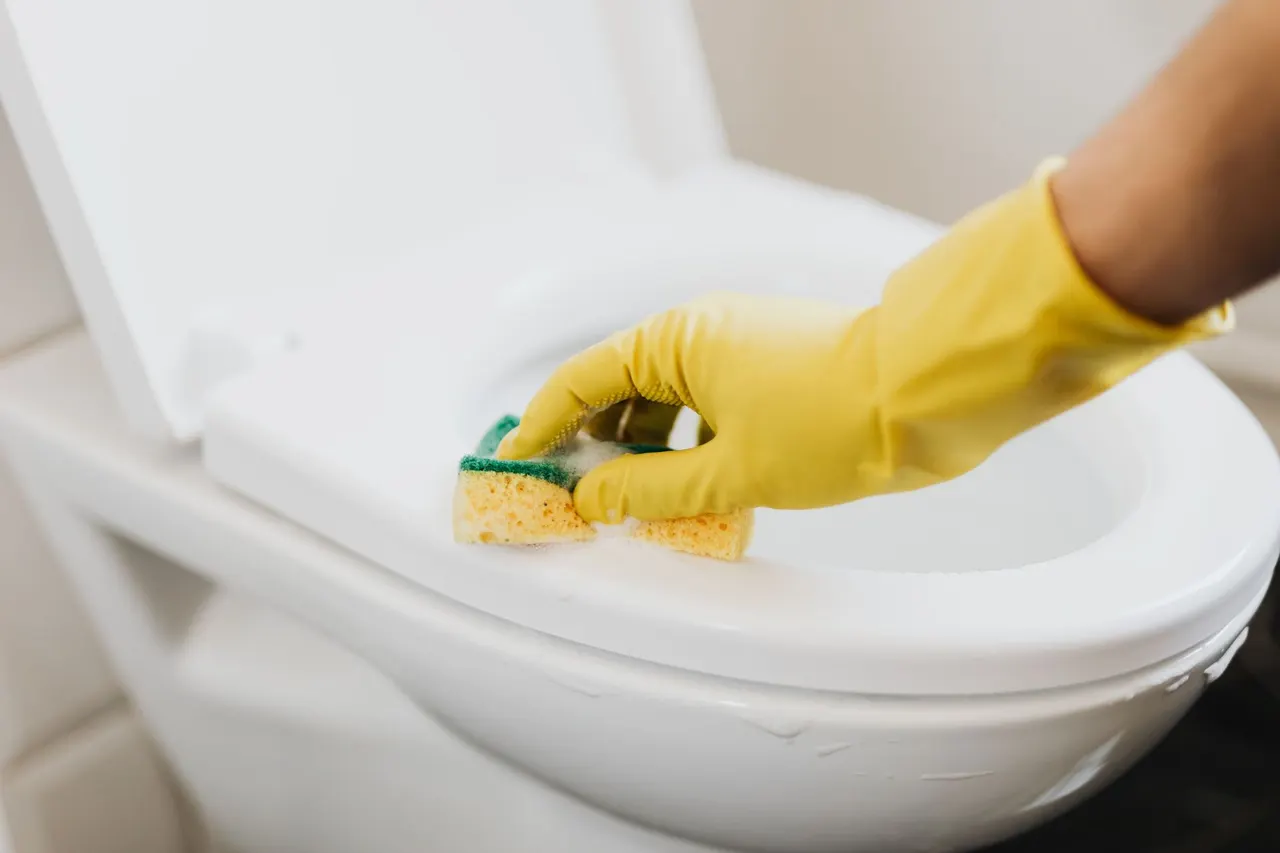
Underground Leak Detection in santee starts with listening, not digging. We use acoustic listening devices and thermal imaging cameras to pinpoint buried pipe leaks under lawns, driveways, and slabs, then confirm the exact spot before anyone lifts a shovel. If your water bill jumped and the yard stays soggy, our team finds the source and tells you what the repair takes. Serving Santee, CA and San Diego County.
Useful updates and clear arrival timing.
Review the approach and price before deciding.
Equipped vehicles and respectful cleanup.
Neighbors serving neighbors with follow-through.
Every underground leak detection visit includes the testing and confirmation steps below. Repair work is quoted separately once the leak is located, and you approve it before we start. If the leak turns out to be inside the house or in a pool line, we tell you and adjust the scope on the spot.
We isolate and pressurize each run with pressure testing gauges to find the line that will not hold. This is the step that tells us which pipe to trace, and it takes 20 to 40 minutes on a typical Santee home.
We walk the line with acoustic listening devices and confirm the hit with a thermal imaging camera. Two methods have to agree before we mark the ground, which is how we avoid dry holes.
We mark the confirmed leak location with paint and tell you how deep the pipe sits. That mark is what the repair crew works from, so the access hole is small and the lawn damage is limited.
You get a short written summary of what we tested, what failed, and where the leak is. Property managers and owners use it for records, and it gives you a clear basis for the repair decision.
Once the leak is located, we quote the repair with the parts and labor itemized. You approve it before we start, and the price does not move because the leak was harder to find than expected.
After the repair, we pressurize the line again and hold it to confirm the fix. You see the gauge reading before we leave, so you know the leak is closed and not just covered.
Share what is happening and receive a clear next step from the local team.
Underground Leak Detection in santee is the process of locating water or gas leaks in buried pipes before excavation begins. We pressurize the line, then listen for the hiss of escaping water with acoustic listening devices and scan the ground surface with thermal imaging cameras to spot temperature differences where moisture rises. Pressure testing gauges confirm the line holds, and a pipe inspection camera checks the inside of the run when the leak is near a fitting. The goal is simple: mark the leak, not the whole yard.
Santee sits on clay-heavy soil that shifts with wet winters and dry summers, and that movement stresses copper pipes and older PVC joints buried under lawns and driveways. A leak that starts small can wash out soil for months before you see a puddle. If you have been searching for underground leak detection near me santee, the first step is a pressure test and an acoustic sweep, not a backhoe. We handle both on the same visit.
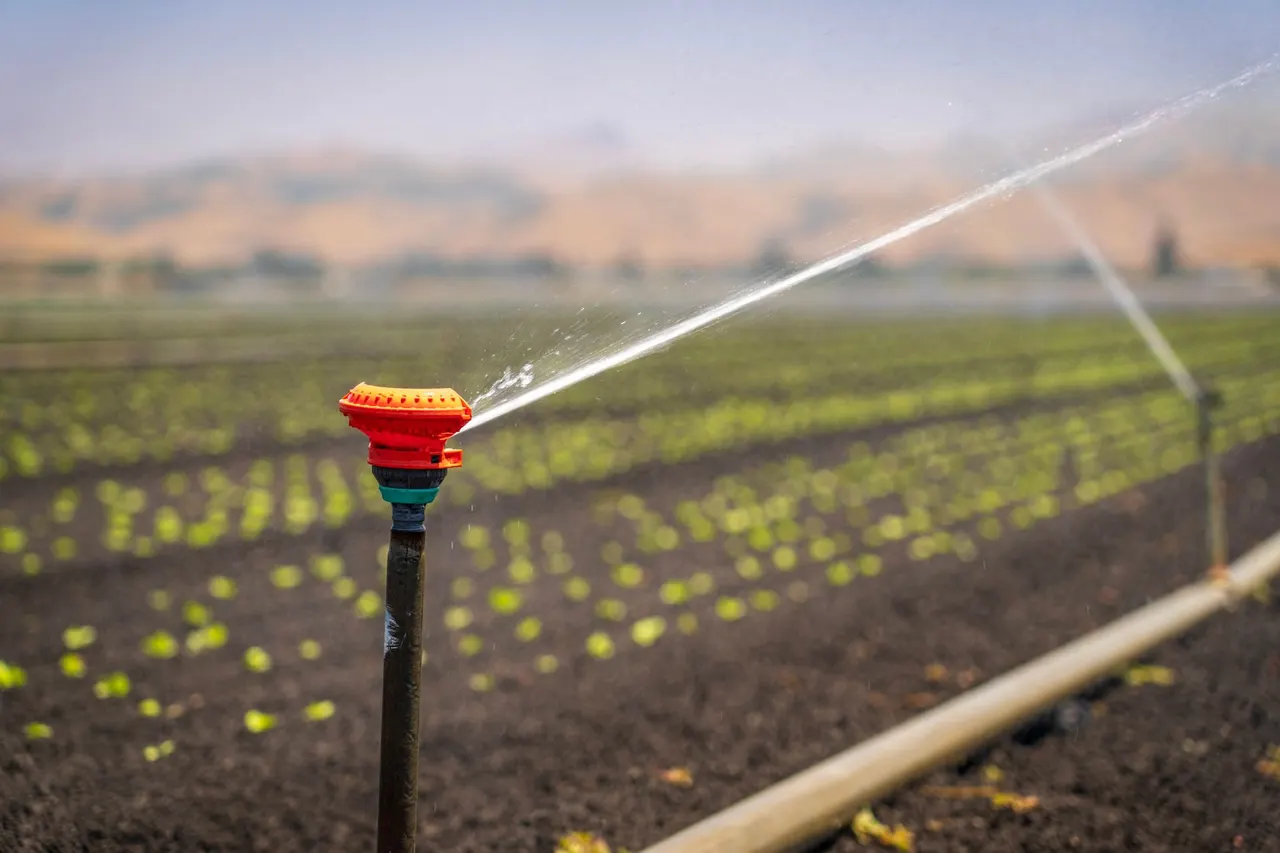
We ask about your water bill, where the ground stays wet, and whether the meter keeps spinning with all fixtures off. That conversation usually narrows the search to one or two lines before we arrive, which saves time on site.
On arrival we isolate the system and pressurize each run with pressure testing gauges. A line that will not hold pressure is the leaking one. This step takes 20 to 40 minutes and tells us exactly which pipe to trace.
We walk the line with acoustic listening devices and an ultrasonic leak detector, listening for the distinct hiss of water escaping under pressure. The loudest point on the ground surface is our first candidate, and we mark it with paint.
A thermal imaging camera from FLIR shows the temperature difference where moisture has risen to the surface. We cross-check the acoustic hit against the thermal image so the mark is confirmed by two methods, not one.
Once the leak is marked, we expose it with a small access hole, repair the pipe with the right fittings and solder or epoxy resin, then re-pressurize the line and hold it to confirm the fix. You get the test result before we pack up.
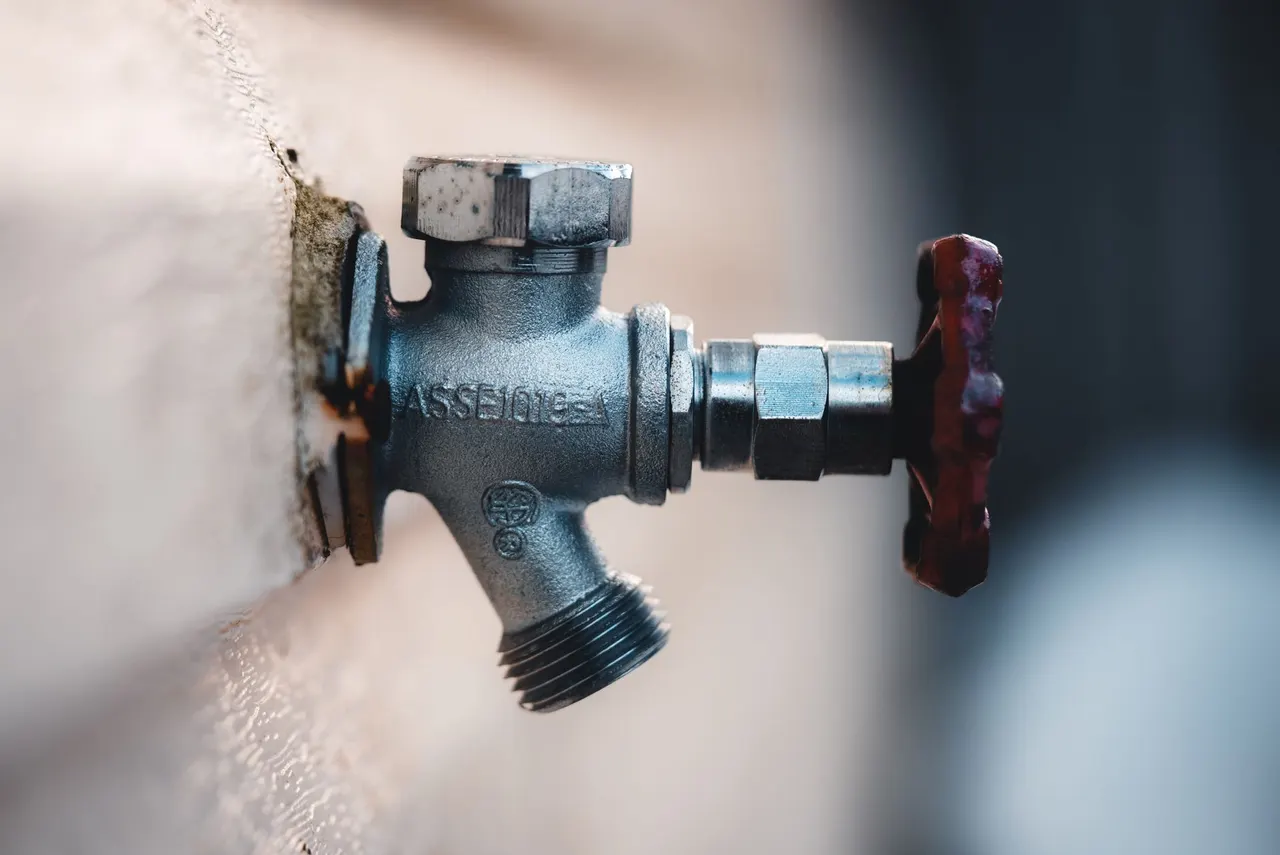
We use these to hear the hiss of water escaping a pressurized pipe. The loudest point on the surface is our first candidate, and it narrows the search to a few square feet.
A thermal camera shows the temperature difference where moisture has risen to the surface. It confirms the acoustic hit and works well on warm-water lines and slab leaks.
We isolate each run and pressurize it to find the line that will not hold. This is the step that tells us which pipe to trace before we walk the yard.
When the leak is near a fitting or a drain, a camera lets us see the inside of the run. We use it to check sewer lines and confirm the pipe condition before a repair is quoted.
For hard-to-find leaks, we introduce a safe tracer gas into the line and detect where it escapes. This is useful on lines under concrete or deep soil where acoustic tools are less clear.
A moisture meter confirms where water has traveled, which helps separate a buried leak from a fixture leak inside the house.
These pick up high-frequency sound that the ear cannot hear, which helps on low-pressure lines and small leaks that a standard listening device misses.
We close valves to isolate each run, then pressurize it and watch the gauge. A line that drops pressure is the leaking one. This method is fast, and it keeps us from tracing the wrong pipe.
Two sensors placed on the line pick up the leak sound at different times, and the difference tells us where the leak sits between them. It is accurate to within a few feet on a straight run.
We compare the acoustic hit against a thermal image of the same spot. When both methods agree, we mark the ground. When they do not, we keep testing until they do.
A safe gas mixture is fed into the isolated line, and a detector finds where it escapes at the surface. This method works on lines under concrete and on low-pressure systems where sound alone is not enough.
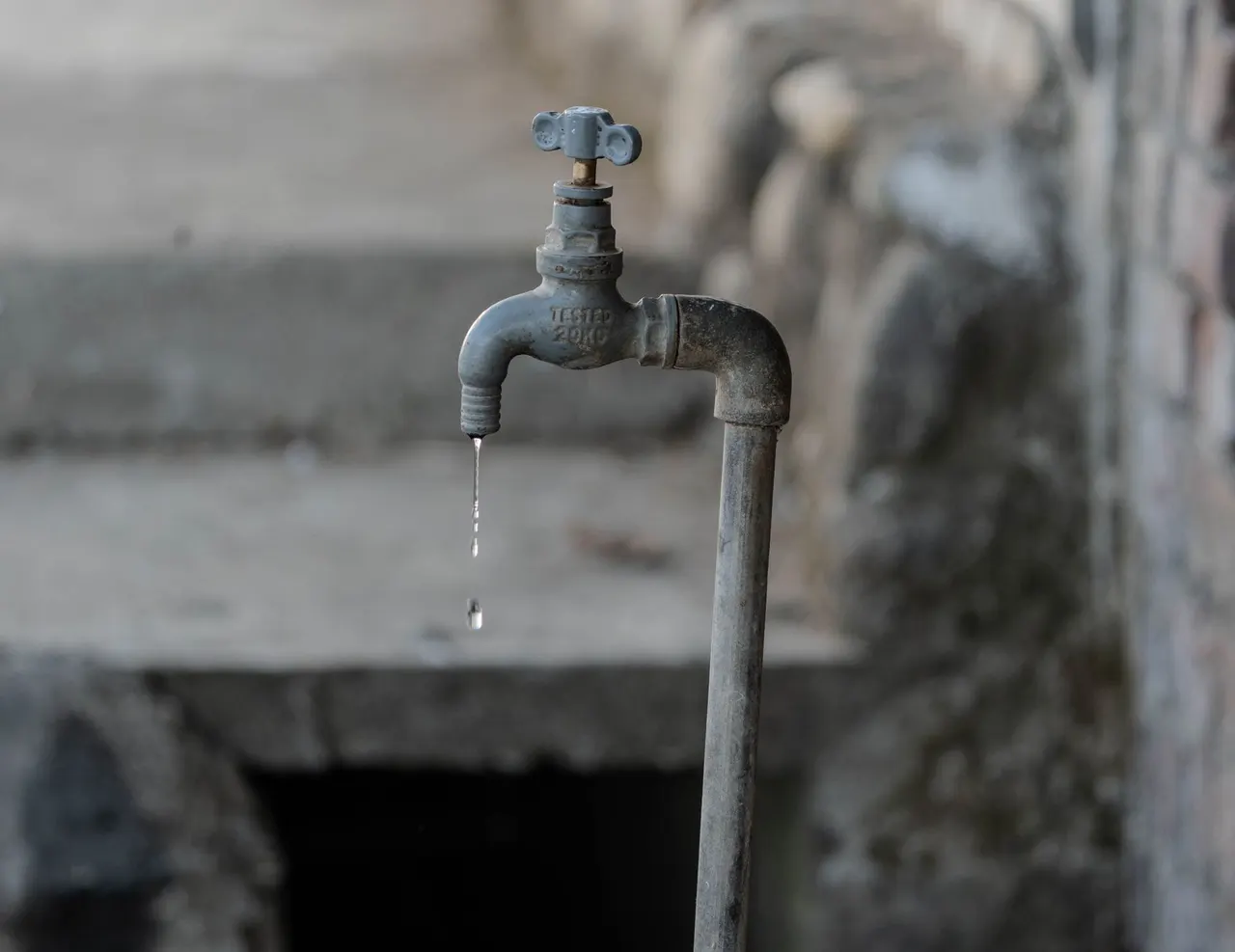
We start at the meter, pressure test the main, and sweep the line with acoustic tools. If the leak is in the irrigation system, we isolate the zones and find the failed line without digging up the yard. You get a confirmed leak location and a repair quote the same day, and the bill stops climbing once the line is fixed.
We pressure test the irrigation zones, listen for the leak, and confirm it with thermal imaging. The failed line or head is marked and repaired, and we re-test the zone before we leave. The wet patch dries out, the zone holds pressure, and you stop paying for water that never reaches the grass.
We run a leak detection inspection on the main, the irrigation, and the pool lines if there is one. You get a written report with the test results and any leak locations marked. You know what you are buying before you close, and you can negotiate the repair or walk away with facts.
We pressure test the buried pool lines and use acoustic tools to find the failed run. The leak is marked before any deck concrete is opened. The pool stops losing water, the deck repair stays small, and you avoid draining the pool to find the problem.
Santee's soil and building stock shape how we approach a buried leak. Much of the city sits on clay that expands when wet and cracks when dry, and that movement stresses copper pipes and older PVC joints under lawns and driveways. Winters bring rain that saturates the ground, and summers dry it out fast, so a leak that starts in January may not surface until July. We see a lot of original irrigation lines in older neighborhoods and newer PEX runs in the Fanita Ranch area, and each needs a different detection approach. If you need same-day underground leak detection santee, call before noon and we will aim to be on site that afternoon. We also work with the local water district's conservation rules in mind, so a confirmed leak gets repaired quickly instead of running for weeks.
Many homes here have original copper mains and mature trees whose roots press on buried lines. Root intrusion is a common cause of slow leaks in this neighborhood.
Newer construction with PEX piping and deeper irrigation runs. Leaks here often show up at fittings rather than in the pipe body, so a camera check helps.
Sloping lots mean water from a buried leak can travel downhill and surface far from the source. We trace the line rather than trusting the wet spot.
Higher water tables near the lakes keep soil damp, which can mask a leak. Pressure testing is more reliable than a visual check in this area.
Larger lots with long irrigation runs and pool lines. Zone isolation is the fastest way to narrow a leak before we sweep the line.
The movement stresses buried pipes and joints, which is why pressure testing is the first step on most Santee calls. A line that holds pressure is not the problem, no matter how wet the ground looks.
A leak that starts in the rainy season may not surface until the ground dries out. We test the lines rather than waiting for a puddle, which catches leaks earlier.
Original sprinkler lines in older neighborhoods fail at the joints and heads. Zone isolation with pressure gauges finds the failed run without digging up the whole yard.
A Carlton Hills homeowner had a water bill that tripled in one month, and the meter kept spinning with every fixture off. Two other companies wanted to cut the driveway to look for the leak, which would have meant a concrete repair on top of the plumbing bill.
We pressure tested the main, heard the leak with acoustic devices, and confirmed it with a thermal camera at the edge of the driveway. One small access hole exposed a pinhole in the copper line, which we repaired and re-tested. The bill dropped back to normal the next cycle.
Maintenance: We recommended a pressure regulator check to keep spikes from stressing the line again. A yearly meter check catches a new leak before it runs for a month.
A West Hills property manager noticed a damp foundation wall and a zone that would not hold pressure. The irrigation ran along the footing, and the leak had been soaking the soil for weeks. The owner was worried about foundation damage.
We isolated each zone, found the failed line with pressure gauges, and marked it with acoustic tools. The line was capped and a new section installed, and the zone held pressure on the re-test. The foundation wall dried out over the next two weeks.
Maintenance: We set a spring start-up check for the irrigation system so a failed line is caught before the watering season begins.
A pool in the Santee Lakes area was losing an inch of water a day, and the deck stayed damp near one return. The homeowner was ready to drain the pool and break up concrete to find the leak.
We pressure tested the buried pool lines and used acoustic tools to find the failed return line under the deck. One small section of deck was opened, the line was repaired, and the pool held its level overnight. The repair cost a fraction of a full deck replacement.
Maintenance: We marked the line on a site sketch so the next owner knows where it runs. A monthly water-level check catches a new leak early.
Most buried leaks announce themselves the same way: a higher bill, a wet patch, or a meter that will not stop. Here are the problems we solve most often when homeowners call for affordable underground leak detection in santee, California.
A buried pinhole leak can waste hundreds of gallons a day and add real money to every bill until it is found. Left alone, the water washes out soil and can undermine a driveway or patio. We pressure test the main and the irrigation zones first, then use acoustic listening devices to hear the leak. Most spikes trace back to the water main or a sprinkler line, and we mark it the same visit.
A constant wet spot usually means a supply line is losing water underground. The soil stays saturated, grass dies, and the leak only gets bigger as the water erodes the surrounding dirt. We isolate the zone, listen for the leak with an ultrasonic leak detector, and confirm with thermal imaging. The mark lets us open a small hole instead of digging up the whole lawn.
That is a supply-side leak, and it is active right now. Waiting costs water and money, and the leak can surface under a slab or foundation where the repair is more expensive. We shut the main, test each run, and find the leaking line before it surfaces. If the leak is under a slab, we use electronic leak detection equipment to narrow it to a small area first.
A warm floor often means a hot-water line is leaking under the slab. The water softens soil and can crack the concrete, and the repair gets larger the longer it runs. We use a thermal imaging camera to see the temperature difference and an acoustic device to hear the leak. The two readings confirm the spot before we cut, which keeps the patch small.
Our technicians work buried water and gas lines every week across San Diego County, and we carry the tools to prove where a leak is instead of guessing. We hold a California Contractor License (C-36 Plumbing) and follow OSHA safety compliance on every excavation. When a leak sits near a sewer line or a gas run, we bring the right detector for that pipe, not a one-size-fits-all wand. That local experience is why property managers in Santee call us back.
Most underground leak detection jobs in Santee run $250 to $650 in 2026, depending on how many lines we test and how deep the pipe sits. A single-line pressure test and acoustic sweep sits at the low end; a multi-zone property with a pool line or irrigation run pushes toward the top. You get the price before we start.
Start at the meter: shut every fixture off and watch the leak indicator. If it moves, you have a leak on the supply side. From there, a technician uses acoustic listening devices and pressure testing gauges to isolate the run. Trying to find an underground leak in santee by digging is slow and often wrong, so call before you break ground.
Sometimes, yes. Small leaks in a straight run of pipe can be fixed with trenchless methods or epoxy resin lining, which avoids a full excavation. Leaks at a fitting, a valve, or under a slab usually need a small access hole. We tell you which repair fits your line after the detection is confirmed, not before.
The most common causes in Santee are soil movement, old copper pipes that develop pinholes, and PVC joints that crack as ground shifts between wet winters and dry summers. Water pressure spikes and tree roots pressing on a line also play a part. A pressure test and acoustic sweep will tell you which one you are dealing with.
Not seeing your question? Our local team can help you understand urgency, scheduling and what to expect.
Ask the local team
When the leak is inside the house rather than buried, water leak detection traces it through walls and ceilings. We use the same acoustic and thermal tools, and we often run both services on one visit when the source is unclear.
View serviceA pool that loses an inch a day may be leaking through a buried return line. Pool leak detection pairs with underground work because the plumbing runs under the deck and lawn, and we can pressure test those lines without draining the pool.
View service
Slab leaks sit under the concrete, where acoustic tools work best. If your water bill is up and a floor stays warm, slab leak detection narrows the location before we cut, which keeps the repair small and the patch clean.
View service
Plumbing leak detection covers the supply and drain lines inside the building envelope. When the leak is at the transition from the house to the yard, we run plumbing and underground detection together to find the exact joint.
View service
Call us at +16199390817 or email [email protected] and we will get a technician to your door. We answer the phone 24/7 for emergencies and book same-day appointments Monday through Friday. If you are not sure whether you have a leak, call anyway. We will tell you straight.