Focused arrival windows
Useful updates and clear arrival timing.
Pool Leak Detection in santee is the fastest way to stop losing water, chemicals, and pump run time. We use acoustic listening devices, thermal imaging cameras, and pressure testing gauges to pinpoint leaks in the shell, plumbing, or equipment pad. Whether you are in Carlton Hills or West Hills, we find the source and fix it before it damages your deck or foundation.
Useful updates and clear arrival timing.
Review the approach and price before deciding.
Equipped vehicles and respectful cleanup.
Neighbors serving neighbors with follow-through.
Every pool leak detection visit includes a full system check, pressure testing, and a written repair quote. We do not charge extra for the inspection if you approve the repair. Here is what you get when you book with us.
We run a bucket test to confirm the pool is losing water beyond normal evaporation. Then we inspect the skimmer, light niche, return fittings, main drain, and equipment pad. This step takes 30 to 45 minutes and tells us whether the leak is in the shell or the plumbing.
We isolate the suction and return lines and pressure test each one with a gauge. If a line loses pressure, we know the leak is underground. If it holds, the leak is in the shell. This test is the backbone of accurate pool leak detection.
When a line fails pressure, we use acoustic listening devices and FLIR thermal imaging cameras to pinpoint the break. We mark the spot on the deck with paint so you can see exactly where the repair will happen. No exploratory digging.
You get a flat price for the repair before we cut concrete or dig. Shell leaks run $350 to $650. Underground line repairs run $900 to $2,200. The quote includes parts, labor, pressure testing, and cleanup. No hidden fees.
We complete the repair, then pressure test the line again to confirm it holds. We refill the pool, check the equipment, and show you the test results. You get a 12-month warranty on parts and labor for the repair we performed.
Share what is happening and receive a clear next step from the local team.
Pool Leak Detection in santee is a systematic search for water loss in your pool shell, plumbing lines, or equipment. We start with a bucket test to separate evaporation from a real leak, then use acoustic listening devices and pressure testing gauges to isolate the problem. If the shell is suspect, we bring in thermal imaging cameras and leak detection dye. Most leaks show up at the skimmer throat, light niche, return fittings, or underground PVC pipes. We confirm the exact spot before we quote any repair.
In santee, pools face long hot summers and Santa Ana winds that push evaporation rates past a quarter inch a day. That makes real leaks easy to miss until the water drops below the skimmer and the pump starts pulling air. Homeowners in Carlton Oaks and Sky Ranch often call us after a $200 water bill spike or a pump that runs dry. If you need professional pool leak detection santee CA, we can usually get a tech out the same day.
You call us at +16199390817 and describe the symptoms: water loss, air in the pump, wet spots, or a high bill. We ask about your pool type, equipment, and when you first noticed the problem. Most calls take five minutes, and we book a same-day or next-morning visit.
A technician arrives with acoustic listening devices, a pressure testing gauge, and a moisture meter. We run a bucket test to confirm a leak, then check the skimmer, light niche, return fittings, and equipment pad. This walk-through takes 30 to 45 minutes and costs nothing if you approve the repair.
We pressure test the plumbing lines separately from the shell. If the line holds pressure, the leak is in the shell. If it drops, we use acoustic listening devices and tracer gas detectors to pinpoint the break. Thermal imaging cameras help us see underground saturation without digging.
Once we know the exact location, we give you a flat price for the repair. Most shell leaks run $350 to $650. Underground line repairs run $900 to $2,200 depending on depth and deck type. You get the number before we cut anything.
We complete the repair, then pressure test the line again and refill the pool. You get a written warranty on the repair, usually 12 months on parts and labor. Before we leave, we show you the test results and explain how to monitor for future leaks.
We use these to hear water escaping under pressure in underground pool lines. They let us pinpoint the leak within a few inches without digging.
These cameras show temperature differences caused by escaping water. We use them to map underground leaks and wet spots under decks before we cut concrete.
We isolate each pool line and pressurize it to confirm whether it holds. A dropping gauge tells us the leak is underground; a holding gauge points to the shell.
We introduce a safe tracer gas into the pool line and use the detector to find where it escapes. This works on very small leaks that acoustic devices miss.
We run a camera through pool drains and fill lines to look for cracks, root intrusion, or collapsed pipe. It gives us a visual confirmation before we repair.
These measure water content in soil and concrete. We use them to check the deck and foundation when a pool leak has been running for a while.
We use dye to confirm leaks at the skimmer throat, light niche, and return fittings. If the dye gets pulled into a crack, we know the shell is the source.
We fill a bucket with pool water and set it on the first step, then mark the pool level. After 24 hours, if the pool drops more than the bucket, you have a leak. This simple test separates evaporation from a real problem.
We plug the pool lines and pressurize them with a gauge. If the pressure holds, the line is intact. If it drops, we know the leak is underground. This method tells us which line to focus on before we use acoustic or thermal tools.
We place acoustic listening devices on the deck and listen for the sound of water escaping under pressure. The loudest point is usually within a few inches of the leak. We mark it and confirm with pressure testing.
We walk the deck and yard with a FLIR camera. Escaping water changes the surface temperature, and the camera shows us exactly where the ground is cooler or warmer than it should be. That tells us where to dig.
For very small or deep leaks, we introduce a safe tracer gas into the pool line. The Sewerin detector picks up the gas where it escapes through the soil. This method finds leaks that acoustic devices cannot hear.
We run a bucket test to rule out evaporation, then pressure test the lines and use acoustic listening devices to find the leak. Most shell leaks are repaired the same day with epoxy resin and pipe sealant. You stop losing water, your pump stops pulling air, and your next water bill drops back to normal.
We pressure test the suction line and inspect the skimmer, pump lid, and valves. A cracked underground fitting or a failed skimmer gasket is usually the cause. We repair the line and bleed the system. The pump holds prime, the bubbles stop, and your circulation returns to full strength.
We use thermal imaging cameras and moisture meters to map the wet area, then pressure test the pool lines and irrigation separately. Once we find the source, we repair the line and let the soil dry. The wet spot dries up, the deck stops settling, and you avoid a larger concrete repair.
We perform a pre-purchase leak inspection that includes pressure testing, a bucket test, and a visual check of the shell and equipment. You get a written report with photos and repair estimates. You know exactly what you are buying and can negotiate the repair cost into the sale.
Santee sits in a hot inland valley where summer temperatures regularly hit 95 to 105 degrees. That heat drives evaporation rates past a quarter inch a day, which masks real leaks until the water drops below the skimmer. The soil here is heavy clay that expands and contracts with the seasons, and that movement cracks PVC pool lines at the joints. Most of the pools we service were built between the 1970s and 2000s, so the original plumbing is reaching the end of its life. In Carlton Oaks and Sky Ranch, we often find leaks where the deck meets the pool shell, caused by years of ground movement. If you need affordable pool leak detection in santee, California, we can usually get a tech out the same day. We know the common pool builders and construction styles in this area, which helps us find leaks faster and repair them correctly. We serve 92071 and 92040 daily and work across San Diego County.
Many pools here were built in the 1970s with copper fill lines and original PVC returns. We see leaks at the skimmer throat and underground joints where the soil has shifted.
Larger lots and mature landscaping mean irrigation lines run close to pool plumbing. We isolate the two systems during testing to avoid repairing the wrong line.
High water tables near the lakes can mask underground leaks. We use tracer gas detection when acoustic devices pick up too much background noise from the water.
Newer construction with PEX and PVC plumbing. Leaks here are usually at fittings or where the deck has settled against the pool shell.
Sloped lots and drainage swales can channel water away from a leak, making it hard to spot. We use thermal imaging to trace the path underground.
Evaporation can exceed a quarter inch per day, so a real leak is easy to miss until the water drops below the skimmer. We run a bucket test to separate the two.
Clay expands when wet and shrinks when dry, cracking PVC pool lines at the joints. Most underground leaks we find in santee are at these joints.
Original PVC and copper lines are reaching the end of their service life. Pressure testing tells us which lines need replacement before they fail completely.
Heavy rain can mask a leak or make a small one look worse. We test after the soil has drained for accurate results.
A homeowner in Carlton Hills was losing two inches of water a week and the pump was pulling air. The water bill had jumped $180. We pressure tested the return line and found it would not hold. Acoustic devices pinpointed a cracked PVC joint under the deck.
We excavated a two-foot square section of deck, replaced the cracked joint, and pressure tested the line to 20 PSI for 30 minutes. The pool held water, the pump stopped pulling air, and the next water bill dropped back to normal.
Maintenance: Keep the water level at the middle of the skimmer throat and run the pump on a normal schedule. We recommend a pressure test every three years on pools with original plumbing.
A West Hills pool was losing water only when the pump was running. The homeowner saw wet soil near the skimmer but no visible crack. We used leak detection dye and found the skimmer throat was pulling water into the soil behind the wall.
We repaired the skimmer throat with epoxy resin and pipe sealant underwater, without draining the pool. The leak stopped immediately, and the soil dried out within a week. The repair cost $450 and carried a 12-month warranty.
Maintenance: Check the skimmer throat and light niche seals each spring. If you see dye getting pulled into a crack, call us before the soil erodes further.
A property manager near the Santee Lakes area was losing 3,000 gallons a month. The pool passed a bucket test but the water bill stayed high. We pressure tested the autofill line and found it would not hold. Tracer gas detection located the break under a concrete walkway.
We cut a small section of the walkway, replaced the damaged PVC, and pressure tested the line. The water bill dropped by $220 the next month. The repair took one day and the walkway was patched the same week.
Maintenance: Install a check valve on the autofill line to prevent backflow and reduce stress on the pipe. We also recommend an annual pressure test on commercial pool systems.
Most pool leaks fall into a few categories. Here are the ones we see most often in santee, and how we fix them without tearing up your whole yard.
Your pump runs dry, overheats, and burns out seals or the motor. You also waste thousands of gallons and hundreds of dollars on water and chemicals. We run a bucket test, pressure test the lines, and use acoustic devices to find the leak. Most shell leaks are repaired underwater with epoxy resin. Underground line leaks are fixed by replacing the damaged PVC section and pressure testing before backfill.
Saturated soil under the deck can crack concrete, settle the pool shell, and create a mosquito breeding ground. Ignoring it leads to expensive deck replacement and possible foundation issues. We use thermal imaging cameras and moisture meters to map the saturation. Then we pressure test the pool lines and irrigation separately. Once we find the source, we repair the line and let the soil dry before you replace any concrete.
Air in the system means the pump is pulling from a leak on the suction side. That reduces circulation, raises chemical costs, and can burn out the pump within weeks. We pressure test the suction line and check the skimmer, pump lid, and valves. Most suction leaks are at the skimmer throat or a cracked underground fitting. We repair the line, bleed the system, and confirm no air remains before we leave.
The leak may be in the autofill line, a nearby irrigation zone, or the water main. You pay for water that never reaches the pool, and the real problem gets worse underground. We isolate the pool fill line from the irrigation and main. Pressure testing and acoustic listening tell us which line is losing water. We repair the right line and verify with a final pressure test so your bill returns to normal.
Our technicians are state-licensed plumbing contractors with IAPMO certification and Backflow Prevention Certification. We carry OSHA safety compliance training and use RIDGID, Fluke, FLIR, and Sewerin equipment on every job. That means we are not guessing with food coloring and a flashlight. We have isolated thousands of pool leaks across San Diego County, from Carlton Hills to Rio Seco. We know how santee soil, sun, and pool construction affect where leaks show up, and we bring the right tools to find them fast.
Most pool leak detection in santee runs $250 to $450 for a full inspection with pressure testing and acoustic listening. If we find the leak and you approve the repair, we credit the detection fee toward the repair cost. Underground line repairs add $900 to $2,200 depending on depth and deck type. You get a flat price before we start.
A loss of more than two inches of water in a week, with the pump off, points to a leak rather than evaporation. Other signs include air bubbles in the pump basket, a water bill spike, wet spots on the deck, or a skimmer that loses prime. We run a bucket test on-site to confirm before quoting any repair.
Yes. Most shell leaks at the skimmer throat, light niche, or return fittings are repaired underwater with epoxy resin and pipe sealant. We do not drain the pool for those. Underground plumbing leaks are repaired by excavating a small area, replacing the damaged section of PVC, and pressure testing the line before we backfill.
The most common causes are ground movement from clay soil, aged PVC pipes that crack at joints, failed skimmer gaskets, and light niche seals that dry out in the summer heat. Santee's hot, dry summers and occasional heavy winter rains stress the shell and plumbing. We check all of those points during a standard leak detection inspection.
Not seeing your question? Our local team can help you understand urgency, scheduling and what to expect.
Ask the local team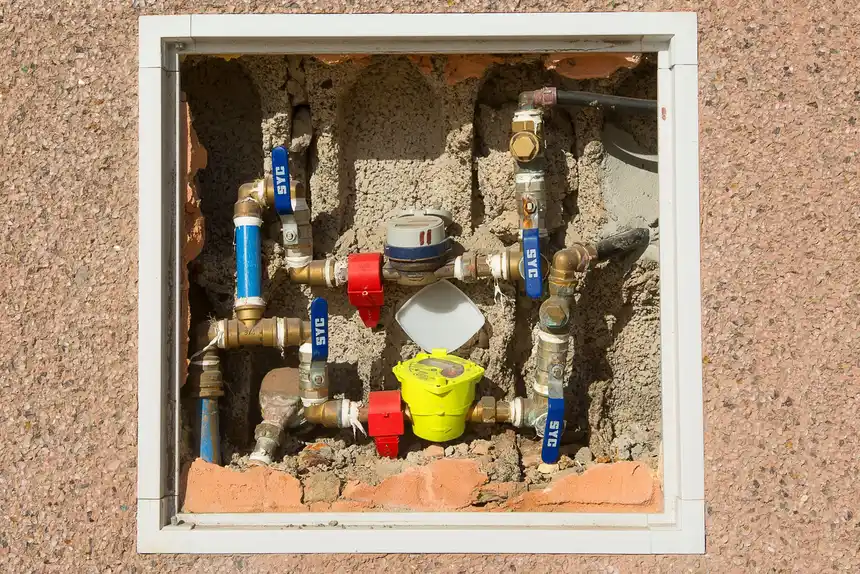
Pool leaks often start as hidden water leaks in the fill line or autofill valve. We use the same acoustic and pressure tools to trace those lines back to the source, so you are not paying to refill a pool that is leaking through a failed valve.
View service
If your pool equipment pad sits on a slab, a slab leak can mimic a pool leak. We pressure test both systems separately to confirm which one is losing water. That saves you from repairing the wrong line and paying twice for the same problem.
View service
Pool plumbing runs underground in the same trenches as irrigation and water mains. When water surfaces near the pool, we use tracer gas and acoustic listening to tell whether the leak is in the pool line or a nearby underground pipe.
View service
A pool autofill line ties into your home plumbing. If you see a high water bill but no pool water loss, the leak may be in the supply side. We test both sides so you get the right repair the first time.
View service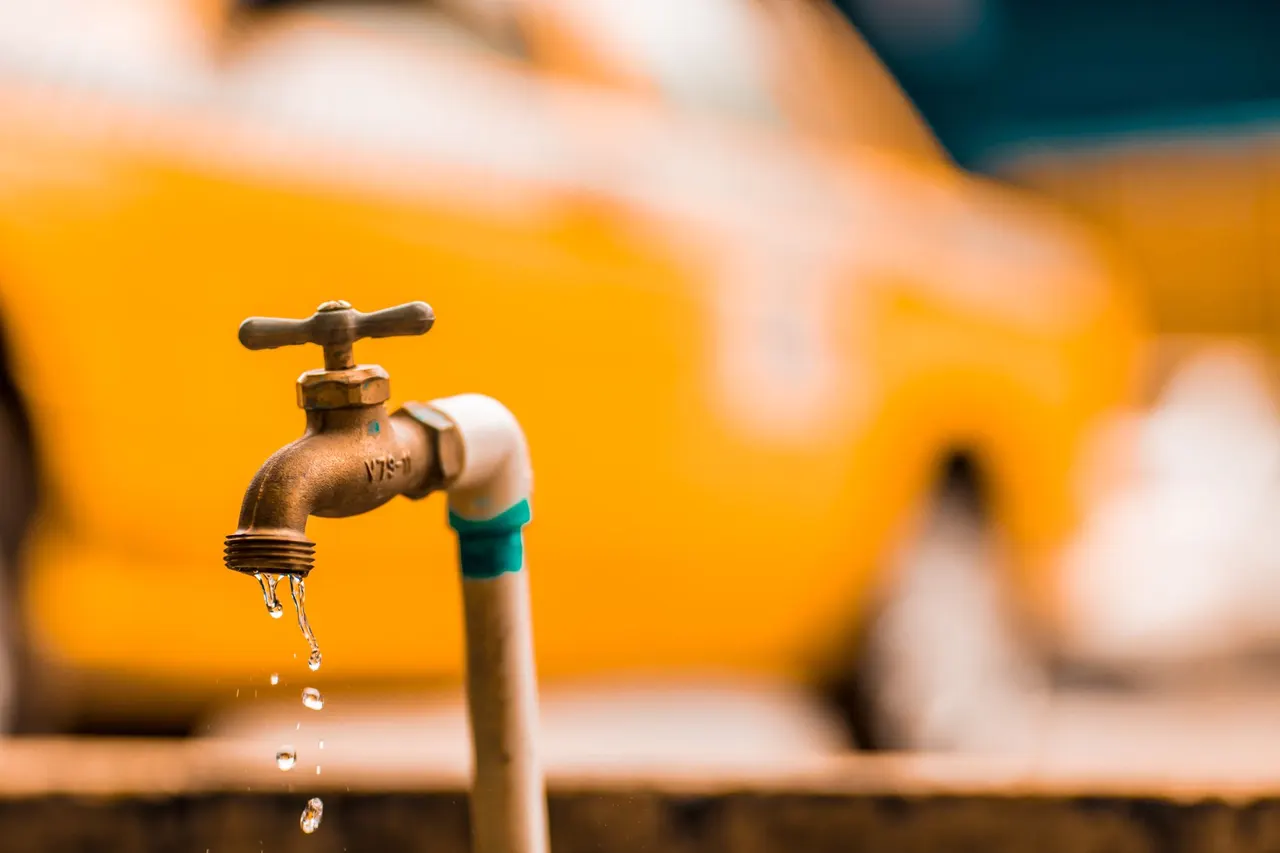
Call us at +16199390817 or email [email protected] and we will get a technician to your door. We answer the phone 24/7 for emergencies and book same-day appointments Monday through Friday. If you are not sure whether you have a leak, call anyway. We will tell you straight.