Focused arrival windows
Useful updates and clear arrival timing.
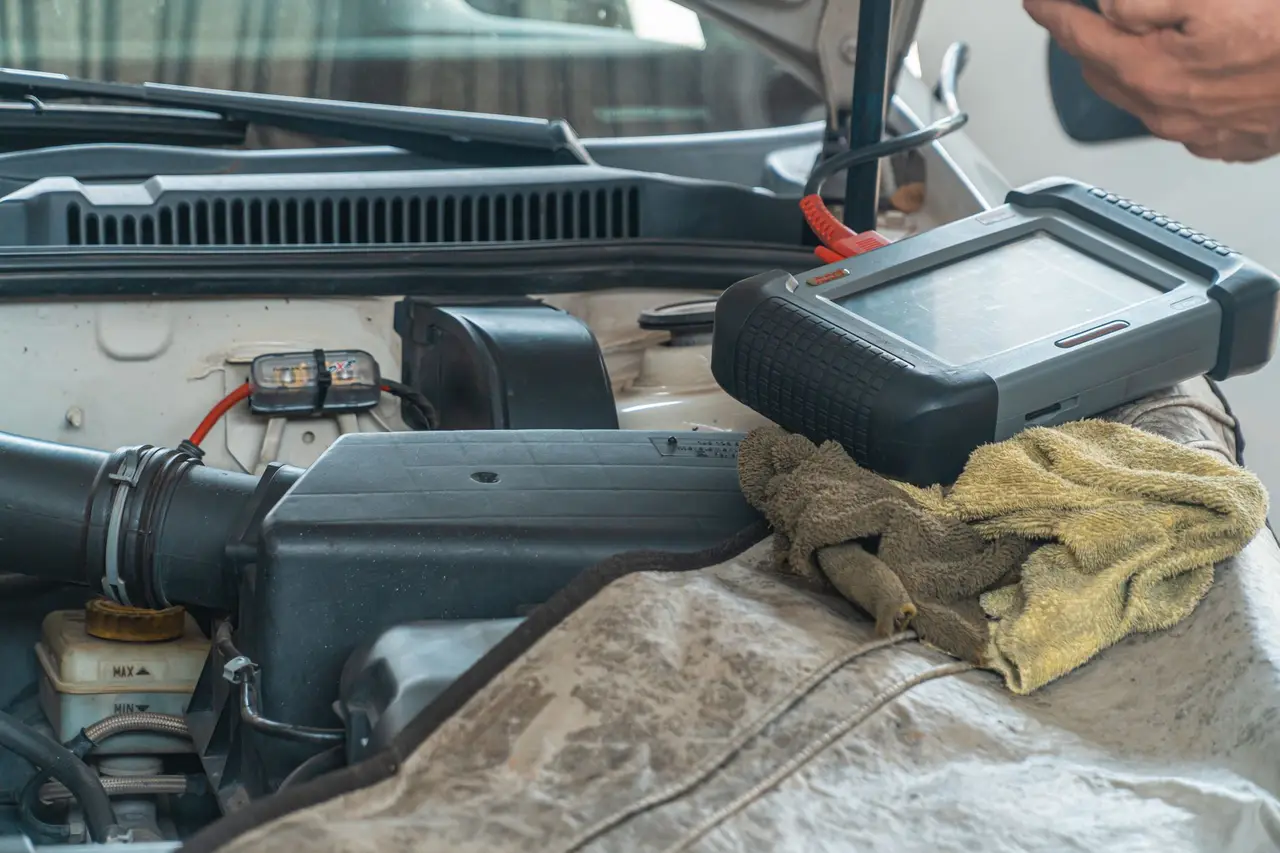
Water Heater Leak Detection in santee is the fastest way to stop water from wrecking your floors, drywall, and foundation. We serve homeowners and property managers across Santee, California, with same-day appointments and electronic testing that pinpoints the exact failure point. If you see a puddle near the tank, hear popping, or smell rust, call us before the damage spreads.
Useful updates and clear arrival timing.
Review the approach and price before deciding.
Equipped vehicles and respectful cleanup.
Neighbors serving neighbors with follow-through.
Every water heater leak detection call includes a full diagnostic and a written finding. If a repair is needed, we quote it before we start. Here is what you get when you book with us.
We inspect the tank shell, fittings, T&P valve, drain valve, and supply connections for signs of corrosion, cracking, or loose seals. This takes 20 to 30 minutes and tells us whether the leak is at the tank or in the line.
We use moisture meters and FLIR thermal imaging cameras to map hidden moisture around the water heater. This helps us find leaks behind walls or under the floor without demolition.
We isolate the hot and cold water lines and use pressure testing gauges to confirm the leak rate. This step confirms whether the leak is in the water heater itself or in the plumbing system.
You get a written summary of what we found, what caused the leak, and what it costs to fix. We do not start any repair until you approve the quote.
If you approve the repair, we complete it the same day whenever parts are on hand. We replace failed valves, fittings, and supply lines, then pressure test the system before we leave.
Share what is happening and receive a clear next step from the local team.
Water Heater Leak Detection in santee is a diagnostic service that locates exactly where a water heater is losing water, whether that is a failed tank seam, a corroded fitting, a dripping T&P valve, or a hidden supply line leak under the slab. We use acoustic listening devices and moisture meters to separate a true tank failure from condensation, then pressure testing gauges confirm the leak rate before we recommend a repair or replacement.
Santee sits in San Diego County, where hard water and temperature swings work on water heaters year-round. Most homes here run copper pipes and older steel tanks that corrode from the inside out. If you have been searching for water heater leak detection near me santee, our local team can be at your door the same day to stop the water and give you a straight answer.
When you call, we ask three questions: where is the water, how fast is it accumulating, and is the tank gas or electric. That tells us whether to talk you through shutting off the supply valve or send a technician immediately. Most calls are triaged in under five minutes.
A technician arrives with acoustic listening devices, an infrared thermometer, and moisture meters. We inspect the tank fittings, T&P valve, drain valve, supply connections, and the floor around the unit. This takes 20 to 30 minutes and tells us whether the leak is at the tank or in the line.
If the source is not visible, we use thermal imaging cameras and ultrasonic leak detectors to trace the leak behind walls or under the slab. Pressure testing gauges isolate the hot and cold lines so we know exactly which pipe is failing. This step takes 30 to 45 minutes.
We give you a written finding: what failed, why, and what it costs to fix. If the tank itself is compromised, we quote replacement. If a fitting or valve is the culprit, we quote the repair. You decide before any work begins.
Once you approve, we complete the repair, replace any failed components, and pressure test the entire line. We verify the leak is stopped and the water heater is running at the correct temperature before we pack up. Most repairs are finished the same day.
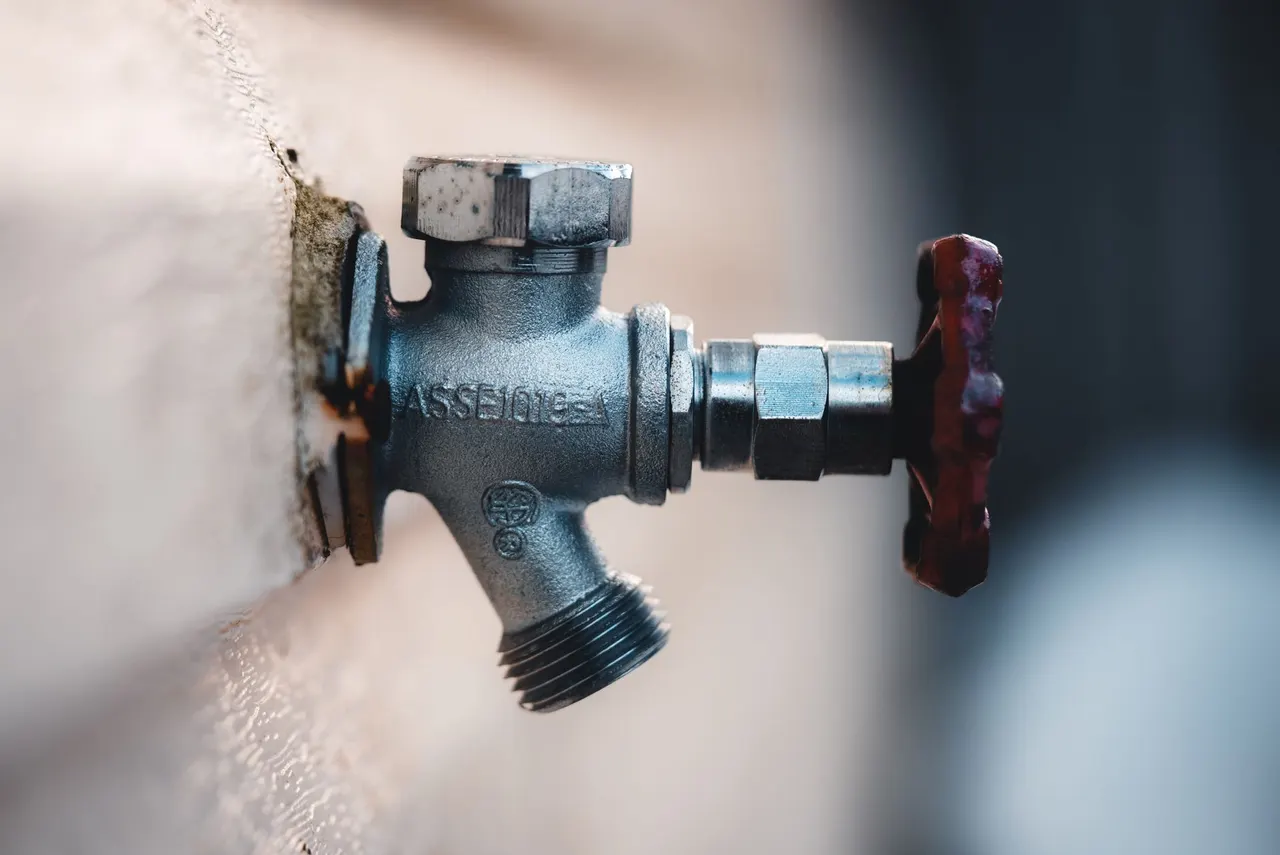
Used to hear water escaping behind walls and under slabs. We use them to confirm water heater leaks when the source is not visible.
Reveal temperature differences caused by hidden moisture. We use them on every water heater call where the leak is not immediately visible.
Isolate the hot and cold water lines and confirm the leak rate. This tells us whether the leak is in the water heater or the plumbing system.
Measure moisture content in walls, floors, and around the water heater base. We use them to distinguish a true leak from condensation.
Detect high-frequency sounds produced by escaping water or gas. We use them to pinpoint leaks in tight spaces and behind finished walls.
Inspect the inside of pipes and drains for corrosion, cracks, or blockages. We use them when the leak source is ambiguous.
We combine moisture meters, ultrasonic detectors, and pressure testing gauges to confirm water heater leaks and rule out condensation or minor drips. This method is non-invasive and takes 30 to 45 minutes.
We scan the area around the water heater with a FLIR thermal imaging camera. Temperature differences reveal hidden moisture behind walls or under the floor, often finding the source in under 30 minutes.
We isolate the hot and cold water lines and pressurize them separately. A drop in pressure tells us which line is leaking and how severe the leak is. This is the most accurate way to confirm a hidden leak.
We use acoustic listening devices to hear water escaping behind walls and under slabs. This method works best for pressurized leaks and helps us pinpoint the exact location without demolition.
We inspect the tank fittings, drain valve, and T&P valve, then use moisture meters to confirm the source. If the tank is intact, we repair the failed component the same day. You get a dry floor and a working water heater without the cost of a full replacement.
We use acoustic listening devices and thermal imaging to trace the leak behind walls or under the slab. Pressure testing isolates the hot and cold lines. We locate the hidden leak and repair it, stopping the water waste and lowering your next bill.
We perform a full leak detection inspection, document our findings, and provide a written report you can share with the buyer. If a repair is needed, we complete it before closing. You get a clean inspection report and a documented repair that keeps the sale on track.
We inspect the anode rod and tank interior for corrosion. If the tank is failing, we quote replacement. If sediment is the issue, we flush the tank and restore efficiency. You either extend the life of your current tank or replace it before it ruptures and floods your home.
Santee's water is hard, and that matters for your water heater. Hard water accelerates sediment buildup inside the tank, which stresses the metal and shortens the life of the anode rod. Most homes here were built between the 1960s and 2000s, so you will find a mix of older steel tanks with copper pipes and newer tankless units with PEX piping. We adjust our testing based on what we see. In Carlton Hills and Carlton Oaks, many homes have water heaters in the garage, where temperature swings can cause condensation that looks like a leak. In Sky Ranch and Weston, newer builds often have tankless systems with recirculation lines that can develop pinhole leaks. If you need affordable water heater leak detection in santee, California, we offer same-day appointments and upfront pricing. We also serve the 92071 and 92040 ZIP codes.
Many homes here have older steel tanks in the garage. We check for corrosion at the fittings and bottom of the tank, which is common in this neighborhood.
Newer construction with tankless water heaters and PEX piping. We check recirculation lines and manifold connections for pinhole leaks.
Homes near the lakes can have higher humidity, which can cause condensation on water heater tanks. We use moisture meters to distinguish condensation from a true leak.
A mix of older and newer homes. We often find slab leaks here because the soil shifts with seasonal moisture changes.
Hard water accelerates sediment buildup and tank corrosion. We recommend annual flushing to extend the life of your water heater and prevent leaks.
Temperature changes can cause condensation on tanks in garages. We use moisture meters to tell the difference between condensation and a real leak.
Copper pipes in older Santee homes can develop pinhole leaks from corrosion. We use pressure testing and acoustic listening to locate them.
A homeowner in Carlton Hills noticed water spreading across the garage floor from the water heater. The tank was only four years old, but the T&P valve was dripping constantly and the floor was soaked.
We replaced the T&P valve, tested the pressure relief system, and dried the area. The leak stopped, the floor dried within 24 hours, and the homeowner avoided a $1,200 tank replacement.
Maintenance: Test the T&P valve once a year by lifting the lever and letting it snap back. If it drips afterward, call us for a replacement.
A family in Weston saw their water bill jump by $80 in one month. The water heater area was dry, but the floor was warm. They suspected a slab leak but could not find it.
We used thermal imaging and acoustic listening to locate a pinhole leak in the hot water line under the slab. We repaired the line and pressure tested it. The water bill returned to normal the next month.
Maintenance: Monitor your water bill monthly. A sudden spike is the first sign of a hidden leak. Call us if you see one.
A homeowner in Santee Lakes area saw moisture on the outside of their water heater and assumed the tank was leaking. They were ready to replace it.
We used a moisture meter and infrared thermometer to confirm the moisture was condensation, not a leak. We adjusted the temperature setting and insulated the tank. No replacement was needed.
Maintenance: Keep your water heater set between 120 and 130 degrees Fahrenheit to reduce condensation and save energy.
A leaking water heater is rarely just a water heater problem. Here are the most common issues we diagnose and fix for Santee homeowners.
Water can soak into your subfloor, warp baseboards, and promote mold growth within 24 to 48 hours. If the leak is slow, you may not notice until the damage is already done. We use moisture meters and thermal imaging to confirm whether the puddle is from the tank, a fitting, or condensation. Once we identify the source, we repair or replace the failed component and dry the area.
Rusty water usually means the tank is corroding from the inside. Popping sounds indicate sediment buildup, which stresses the tank and can lead to a sudden rupture. We inspect the anode rod and tank interior. If the tank is compromised, we quote replacement. If sediment is the issue, we flush the tank and restore efficiency.
A hidden leak in the supply line or under the slab can waste thousands of gallons per month. You pay for the water and risk foundation damage. We use acoustic listening devices and pressure testing gauges to trace the leak underground or behind walls. We locate the break and repair the line before it causes structural damage.
A dripping T&P valve can indicate excessive pressure or temperature inside the tank. Left alone, it can lead to a full tank rupture or scalding water. We test the valve, check the thermostat and pressure relief settings, and replace the valve if it is stuck. We also verify the expansion tank is functioning correctly.
Our technicians hold California Contractor License (C-36 Plumbing) credentials and carry IAPMO certification for plumbing system inspection. We have worked on thousands of water heaters across San Diego County, from older steel tanks in Carlton Hills to newer tankless units in Sky Ranch. We train on RIDGID and FLIR equipment and follow OSHA safety compliance on every job. When we say we have seen your problem before, we mean it.
Most water heater leak detection calls in Santee run $150 to $350 for the diagnostic, and that fee is credited toward the repair if you hire us. The price depends on whether the leak is visible at the tank or hidden behind a wall or under the slab. Hidden leaks that require thermal imaging and pressure testing take longer and cost more. We quote the full price before we start.
The three clearest signs are water pooling at the base of the tank, a hissing or dripping sound near the fittings, and a sudden spike in your water bill. If you see rusty water or hear popping from the tank, the leak may be internal. Call us and we will confirm the source the same day.
Condensation usually appears as a thin film of moisture on the tank exterior and dries within a few hours. A true leak leaves a puddle that returns after you wipe it up. We use moisture meters and infrared thermometers to tell the difference in about 15 minutes, so you do not replace a working water heater.
Yes, most water heater leaks can be repaired if the tank itself is intact. Failed T&P valves, drain valves, supply fittings, and pipe connections are all repairable. If the tank shell is cracked or rusted through, replacement is the only safe option. We tell you which situation you are in before any work begins.
Not seeing your question? Our local team can help you understand urgency, scheduling and what to expect.
Ask the local team
A leaking water heater often masks a larger supply line issue. Our water leak detection service traces hidden leaks in walls, ceilings, and floors so you fix the whole problem, not just the visible puddle.
View service
Santee homeowners with pools sometimes mistake a water heater leak for a pool leak when the equipment pad sits nearby. We test both systems to confirm which one is losing water and stop the guesswork.
View service
If your water heater sits on a concrete slab and the leak is under the floor, our slab leak detection uses acoustic listening devices and thermal imaging to pinpoint the break without breaking up the whole floor.
View serviceWater heater supply lines that run underground can fail from soil movement and corrosion. We use tracer gas detectors and pressure testing gauges to locate underground leaks before they undermine your foundation.
View service
Call us at +16199390817 or email [email protected] and we will get a technician to your door. We answer the phone 24/7 for emergencies and book same-day appointments Monday through Friday. If you are not sure whether you have a leak, call anyway. We will tell you straight.