Focused arrival windows
Useful updates and clear arrival timing.
Toilet Leak Detection in santee is the fastest way to stop a silent flapper or fill valve from draining your water bill and softening your subfloor. We serve homeowners and property managers across Santee, California with dye testing, acoustic listening, and moisture readings that pinpoint the leak in under an hour. If you hear the tank refill on its own, call us.
Useful updates and clear arrival timing.
Review the approach and price before deciding.
Equipped vehicles and respectful cleanup.
Neighbors serving neighbors with follow-through.
Every diagnostic visit covers the full toilet assembly, not just the tank. We check the supply side, the seal, and the flooring around the base so you know the whole picture before we quote a repair. Parts and labor are quoted separately after the diagnosis.
Dye tablet and visual check of the flapper, chain, and overflow tube. We confirm whether the tank is leaking into the bowl and measure the refill cycle time.
A pressure gauge on the supply line tells us whether the fill valve is failing or the angle stop is restricted. We adjust or replace the valve as needed.
We check for movement at the base, pull the toilet if needed, and inspect the closet flange for cracks or corrosion before setting a new wax ring.
A moisture meter and thermal imaging camera read the subfloor around the toilet. You get a number that tells you whether the floor is dry, damp, or saturated.
You receive a written summary of what failed, what we recommend, and a fixed quote for the repair. No work begins until you approve the price.
Share what is happening and receive a clear next step from the local team.
Toilet Leak Detection in santee is the process of isolating where water escapes a toilet assembly, supply line, or wax seal before it reaches the subfloor. We start by shutting off the angle stop and watching the tank level, then run a flapper dye test and a fill valve pressure check. A moisture meter confirms whether water has already crept into the flooring, and a thermal imaging camera shows the wet footprint behind the baseboard. Most leaks trace back to a worn flapper, a failing fill valve, or a corroded closet flange.
Local homes here run into toilet leaks for reasons you can see on the calendar. Santee water carries enough mineral content that flappers stiffen and seal seats pit within a few years, and the hot, dry summers push tank parts to crack faster than in coastal neighborhoods. We get calls from Carlton Hills and Rio Seco where a toilet has been quietly running for months. If you are searching for toilet leak detection santee CA near me, our team can be at your door the same day to confirm the source.
We ask three questions: is the tank refilling on its own, is there water at the base, and is the floor soft. That tells us whether to bring a flapper kit, a wax ring, or full moisture detection gear. You get a two-hour arrival window and a call when the technician is en route.
The technician pulls the lid, checks the flapper chain length, and watches the water level against the overflow tube. A dye tablet in the tank confirms whether the flapper is sealing. This step takes about 10 minutes and rules out the most common leak source.
We pressure-test the angle stop and supply line with a gauge, then check the wax seal and closet flange for movement. A moisture meter reads the subfloor around the base. If the flange is cracked or the seal is blown, we note it before pulling the toilet.
We replace the failed component on the spot, whether it is a flapper, fill valve, supply line, or wax ring. If the closet flange is damaged, we cut out the old one and set a new one with a proper seal. Most repairs take 45 minutes to two hours.
Before we pack up, we run three full flush cycles, recheck the tank level, and take a final moisture reading at the base. You get a written summary of what failed and what we replaced, plus the warranty terms on the parts and labor.
Read the water content in subfloor and drywall around the toilet base, giving a number we can compare before and after the repair.
Show the temperature difference between wet and dry material so we can map the leak footprint without opening the floor.
Pick up the sound of water escaping a fill valve or supply line, especially when the leak is behind tile or inside a wall.
Confirm whether the supply line or angle stop is holding pressure, which separates a valve failure from a line leak.
Check the drain and sewer line when a toilet leak is suspected but the water is coming from below the flange.
A dye tablet in the tank is still the fastest way to confirm a flapper leak. If color reaches the bowl without a flush, the flapper is the source.
We place a dye tablet in the tank, wait 15 minutes without flushing, and check the bowl water for color. This confirms a flapper leak before we touch a tool.
We mark the tank level, shut off the supply, and watch for a drop. A refill cycle that runs longer than 45 seconds points to a fill valve or flapper issue.
Moisture meter readings are taken at four points around the toilet base and compared to a dry reference point in the same room. The difference tells us whether the subfloor is wet.
We isolate the toilet from the rest of the plumbing with the angle stop and a gauge. If pressure holds, the leak is in the fixture; if it drops, we move to the supply line.
We run a dye test and a fill valve check to confirm whether the flapper or the valve is the source. Most of these calls end with a flapper replacement. The refill noise stops, and the water bill returns to its normal range within one billing cycle.
We perform a full toilet leak inspection, document the moisture readings, and repair the seal if needed so the report can be cleared. You get a written summary and a repaired fixture, which keeps the sale on schedule.
We pull the toilet, inspect the flange and subfloor, replace the wax ring and any damaged flooring section, and reset the toilet level. The floor is solid again, the toilet sits flat, and the tenant has a documented repair for the property file.
We test each toilet with dye and pressure gauges, then check supply lines and angle stops for seeps that do not show as puddles. The leaking fixture is identified and repaired, and you can show the utility a repair record if you request an adjustment.
Santee sits inland enough that summer heat and dry air work on toilet tank parts year after year. Plastic fill valves and rubber flappers that would last longer near the coast stiffen and crack faster here. We see a wave of running-toilet calls in late summer and early fall, right when water bills peak from irrigation. The housing stock matters too: many homes in Carlton Oaks and West Hills were built decades ago with original closet flanges that are now corroded. When we run professional toilet leak detection santee CA, we check the flange age as part of the diagnosis, not as an afterthought. If you need toilet leak detection and repair santee CA on a weekend, we hold Saturday slots for active leaks. Our trucks carry the flappers and wax rings that fit the toilets most common in ZIP codes 92071 and 92040, so most repairs finish in one visit.
Older homes with original brass closet bolts that often snap when the toilet is pulled. We carry replacements on the truck.
Larger floor plans with multiple bathrooms, so we test every toilet during a water bill investigation.
Condos and rentals where a leak can affect the unit below. We document moisture readings for property managers.
Slab-on-grade homes where a toilet leak can mask a slab leak. We pressure-test the line before setting a new seal.
Newer construction with PEX piping and pressure-assisted toilets. We check the pressure regulator when fill valves fail early.
Minerals pit fill valve seats and stiffen flappers, so parts fail sooner than the manufacturer's estimate. We recommend a matched flapper and a yearly dye test.
Tank parts dry out and crack between uses in vacation homes and guest bathrooms. A dry tank is a common source of leaks we find in the fall.
A leak at the toilet base can hide a slab leak. We use acoustic listening devices and pressure gauges to rule out the slab before we replace the wax ring.
A homeowner heard the toilet refill every 20 minutes and the water bill had climbed by $70 over two months. The flapper was warped and the fill valve was original to the house.
We replaced the flapper and fill valve, ran three flush cycles, and confirmed the tank held its level overnight. The next bill dropped back to the normal range, and the refill noise stopped.
Maintenance: Test the flapper with a dye tablet every six months. Replace the flapper every three to five years in Santee water.
A tenant reported a rocking toilet and a soft spot near the base. The wax seal had failed, and the subfloor was damp across a two-foot area. The closet flange had a hairline crack.
We pulled the toilet, replaced the cracked flange and wax ring, cut out the soft section of subfloor, and reset the toilet level. Moisture readings returned to dry within 48 hours.
Maintenance: Check for toilet movement once a year. A rocking toilet means the seal is at risk and should be inspected.
The water bill jumped by $90 with no visible leak. The guest toilet had a slow fill valve seep that never produced a puddle, and the angle stop was stiff from mineral buildup.
We replaced the fill valve and angle stop, tested both bathrooms, and verified the meter stopped moving with fixtures off. The bill normalized the following cycle.
Maintenance: Shut off and reopen angle stops twice a year to keep them from seizing. Watch for a bill increase of more than 10 percent.
Most toilet leaks fall into a handful of patterns. Here is what we see on calls across San Diego County and how we handle each one.
A flapper that does not seal lets water trickle into the bowl continuously, wasting 200 gallons or more per day and inflating your bill. We dye-test the tank, confirm the flapper is the source, and replace it with a matched flapper. The fill cycle is rechecked before we leave, and most replacements take under 30 minutes.
A failed wax seal or loose closet bolt lets water escape onto the floor, softening the subfloor and staining the ceiling below. We pull the toilet, inspect the flange, and set a new wax ring with new closet bolts. If the flange is cracked, we replace it. The base is dried and moisture-tested before resetting the toilet.
A slow seal leak keeps the subfloor damp, feeding mold and mildew that cleaning will not fix. Our moisture meter finds the wet zone, and thermal imaging shows how far it spreads. We repair the seal, dry the area, and confirm the reading returns to normal before closing the job.
A silent fill valve leak or a supply line seep can raise the bill for months before a puddle appears. We test every toilet in the house, check the angle stops, and compare meter readings with the fixtures off. If the toilet is not the source, we move to water leak detection on the rest of the system.
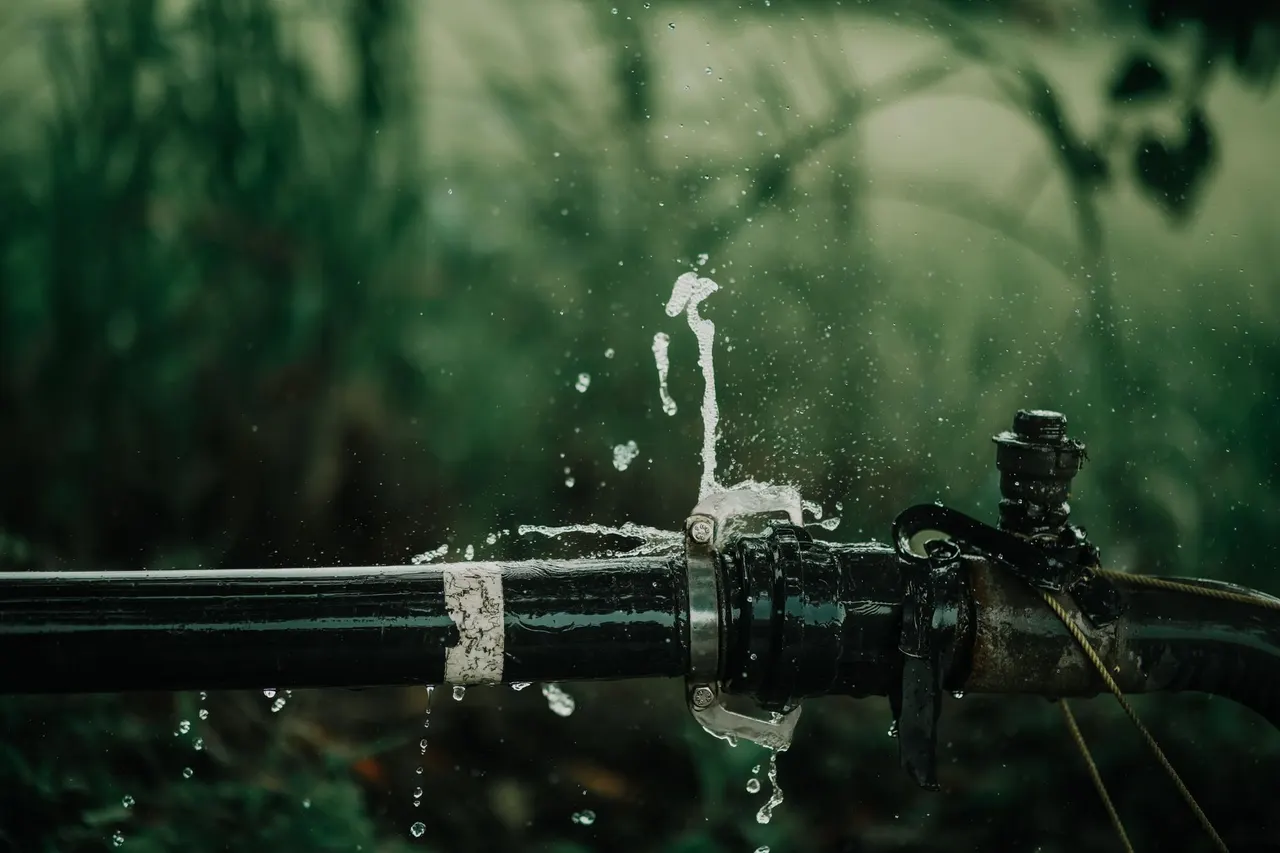
Our technicians work on toilets every week in Santee and the surrounding San Diego County neighborhoods. We carry the parts that fail most often in this water, from flappers to fill valves to closet flanges, so most jobs finish in one visit. We hold a California Contractor License (C-36 Plumbing) and follow IAPMO standards on every repair. When a toilet leak turns out to be a slab leak or a hidden water leak under the floor, we have the electronic leak detection equipment on the truck to trace it without tearing up the bathroom.
Most diagnostic visits run $95 to $185 in 2026, and the repair is quoted separately based on the failed part. A flapper replacement is usually the low end; a wax ring and flange rebuild sits higher. We give you the diagnostic price on the phone before we schedule, so there is no surprise when the technician arrives.
The clearest sign is hearing the tank refill when no one has used the toilet. Put a few drops of food coloring in the tank and wait 15 minutes without flushing; if color shows in the bowl, the flapper is leaking. Water at the base, a rocking toilet, or a musty smell in the bathroom points to a wax seal or supply line issue.
Yes, a running toilet can add 200 gallons or more per day, which shows up as a spike on your next bill. Santee water rates make that a real cost within a month. If your bill jumped and nothing else changed, a flapper or fill valve leak is the first thing we check.
Mineral content in the local water stiffens flappers and pits fill valve seats, and the hot, dry summers crack older plastic tank parts. Wax seals fail as floors shift, and corroded closet flanges let water escape under the toilet. Most leaks we find trace back to one of those four causes.
Not seeing your question? Our local team can help you understand urgency, scheduling and what to expect.
Ask the local team
When a toilet leak is not the source, we trace the water to the supply line or hidden pipe behind the wall. Our water leak detection service uses the same moisture meters and thermal imaging cameras to find the real culprit.
View service
Santee homes with pools sometimes mistake a toilet leak for pool evaporation. We test both systems so you know which one is losing water and stop chasing the wrong fix.
View service
A toilet that rocks on a slab foundation can signal a slab leak underneath. We use acoustic listening devices and pressure testing to check the line before we set a new wax ring.
View service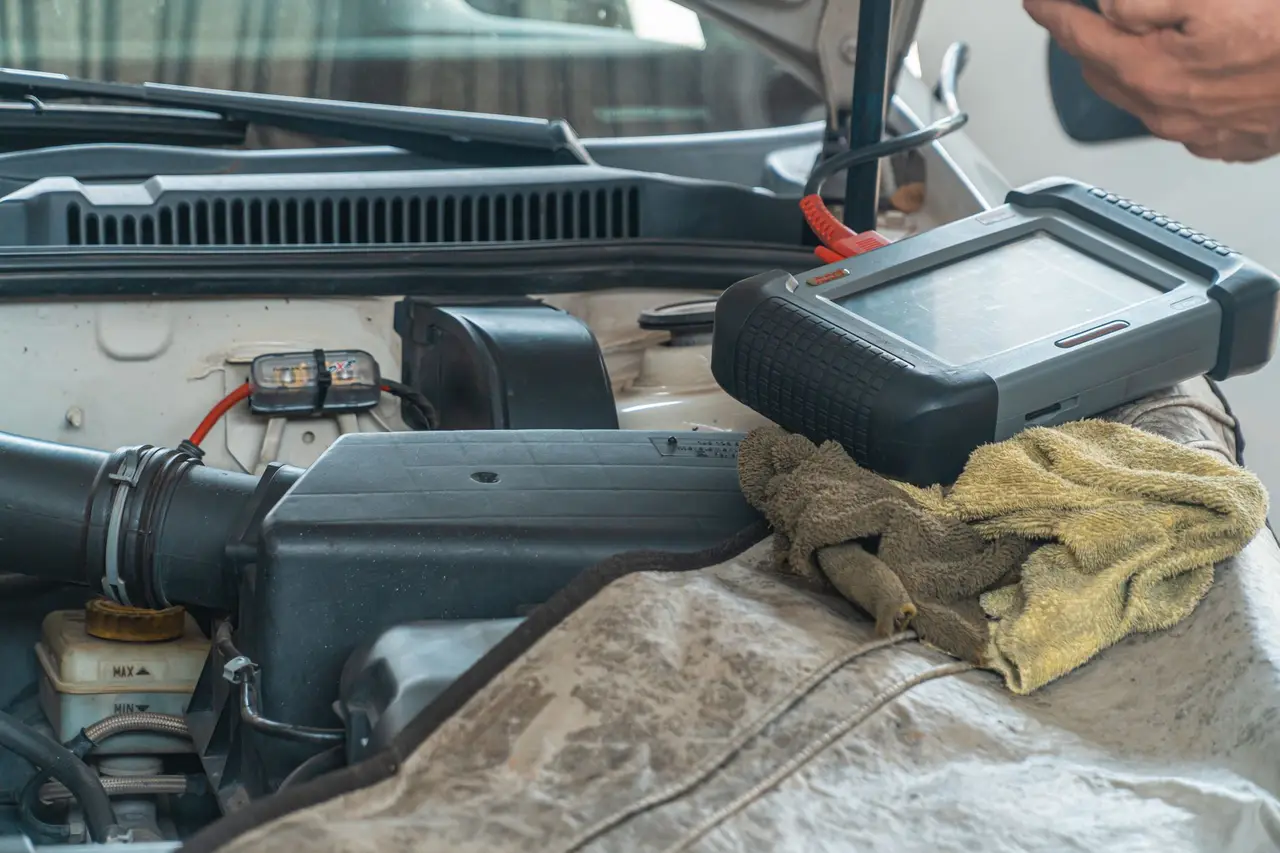
Water at the base of a toilet can travel from a failed underground line. Our underground leak detection service traces the source with tracer gas detectors and pipe inspection cameras.
View service
Call us at +16199390817 or email [email protected] and we will get a technician to your door. We answer the phone 24/7 for emergencies and book same-day appointments Monday through Friday. If you are not sure whether you have a leak, call anyway. We will tell you straight.