Focused arrival windows
Useful updates and clear arrival timing.
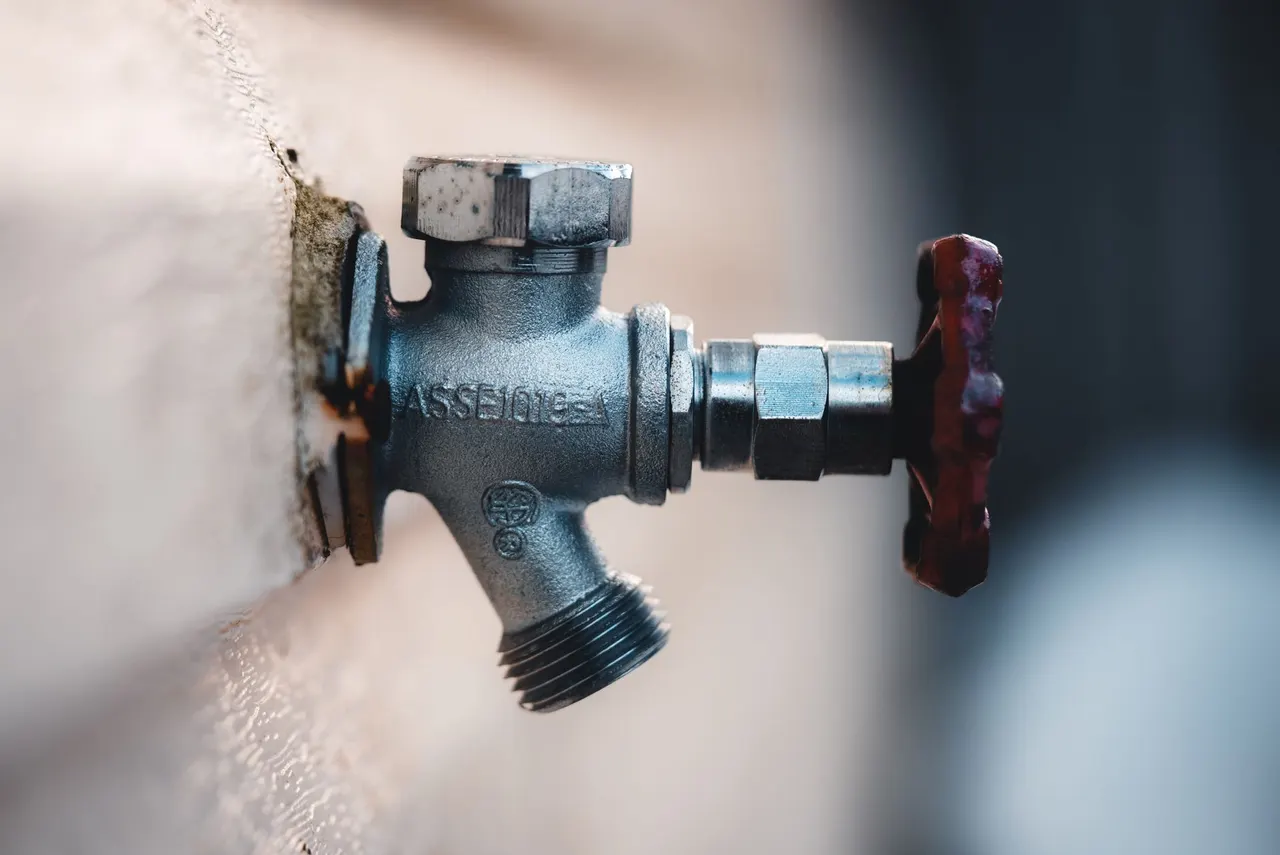
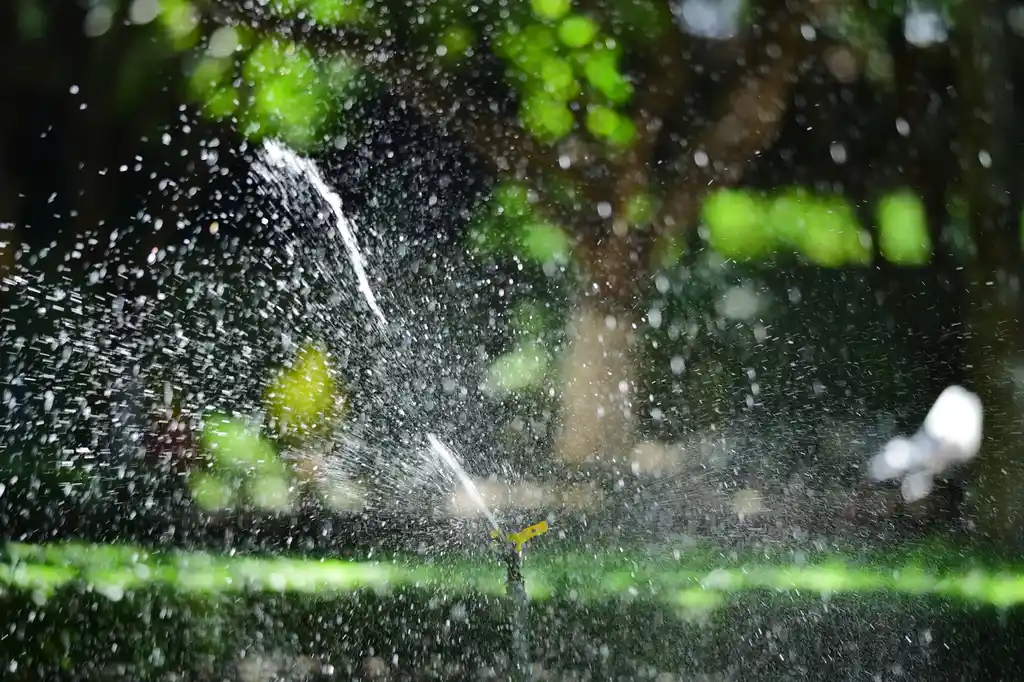
Sprinkler System Leak Detection in santee is how you stop a $300 water bill before it doubles. We send a licensed technician with acoustic listening devices and thermal imaging cameras to find the exact break in your irrigation line, then repair it the same visit. If your grass is soggy in one spot and your pressure has dropped, call us.
Useful updates and clear arrival timing.
Review the approach and price before deciding.
Equipped vehicles and respectful cleanup.
Neighbors serving neighbors with follow-through.
Every sprinkler leak detection visit includes a full system check, not just a quick listen. We test each zone, inspect valves and heads, and verify the repair before we leave. Here is what you get when you book us.
We run each irrigation zone separately and watch your water meter for movement. If a zone is leaking, the meter tells us. We also check valve boxes for standing water and inspect every visible head for cracks or clogs.
We use acoustic listening devices to hear the leak and thermal imaging cameras to see it. This combination lets us mark the leak location within 12 inches. You will know exactly where we are going to dig before we start.
After we repair the leak, we repressurize the zone and watch the gauge for five minutes. If pressure holds, the repair is good. We also run the zone live to check coverage and adjust heads if needed.
Our trucks carry PVC pipe, couplings, primer, solvent cement, replacement heads, and valve diaphragms. If your leak is a cracked head, loose fitting, or failed valve, we fix it on the spot. No waiting for parts.
You get a written summary of what we found, what we fixed, and what to watch for. If we see other issues, like a failing backflow preventer or a timer that needs adjusting, we note it. No surprise charges.
Share what is happening and receive a clear next step from the local team.
Sprinkler System Leak Detection in santee is the process of finding where water escapes from your irrigation lines, valves, or heads before it soaks your foundation or runs up your bill. We start by isolating the zone, then pressurize the line and listen for the hiss of escaping water with acoustic listening devices. A thermal imaging camera shows us the temperature difference where water pools underground. Most leaks show up at joints, cracked PVC pipes, or failed valve diaphragms.
Santee sits on clay-heavy soil that shifts with our wet winters and dry summers, and that movement cracks irrigation lines more than most homeowners realize. We see it constantly in Carlton Hills and Carlton Oaks, where original 1970s and 1980s systems are still running on old PVC. If you have been searching for irrigation leak detection santee homeowners trust, we can usually tell you whether it is a simple head replacement or a mainline break within the first 20 minutes on site.
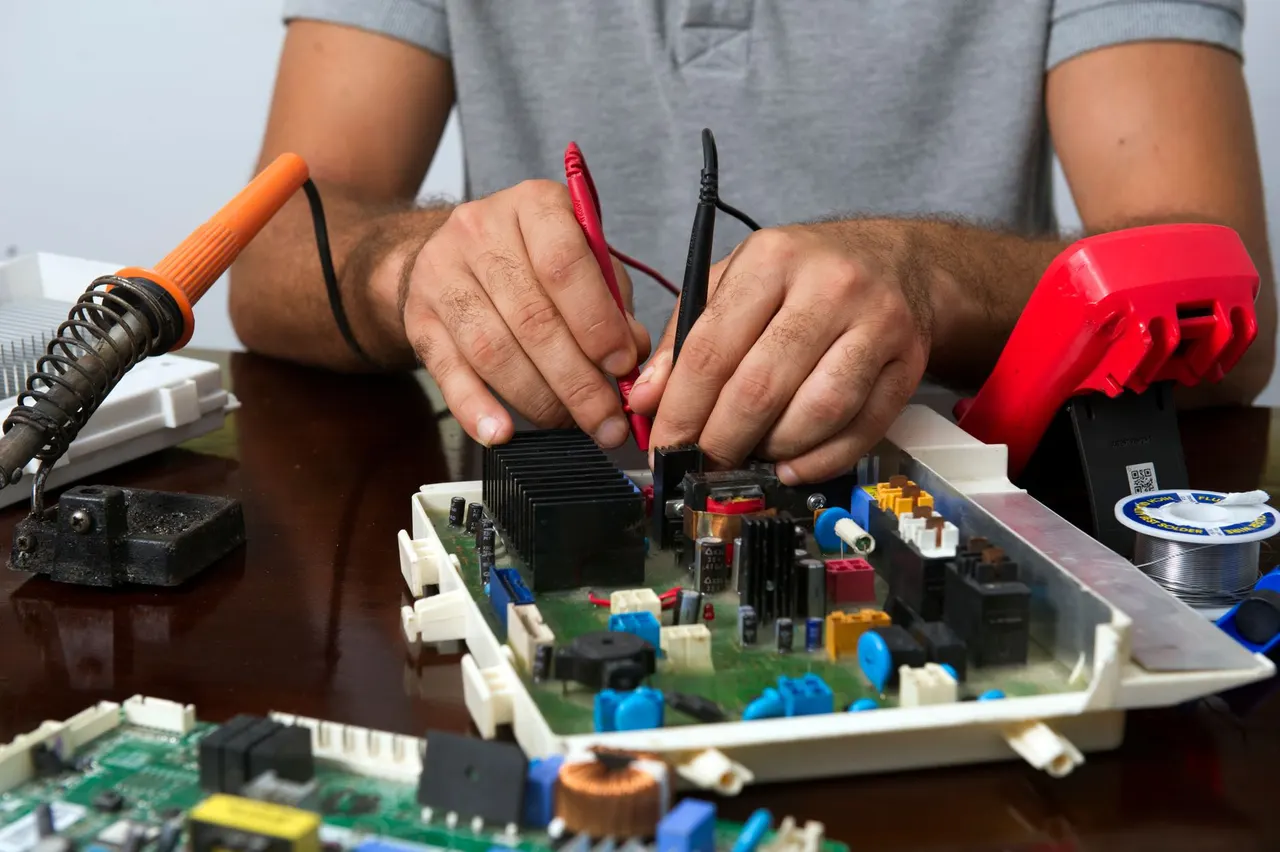
When you call, we ask three questions: is the leak constant or only when a zone runs, has your water bill jumped, and do you see a soggy spot. Those answers tell us whether to bring acoustic gear or start with pressure testing. The call takes about five minutes.
On site, we shut off each irrigation zone one at a time and watch your water meter. If the meter stops spinning when a specific zone is off, that zone has the leak. This step takes 10 to 15 minutes and narrows the search to one run of pipe.
We pressurize the suspect line and walk it with acoustic listening devices. Where the hiss is loudest is where the break is. If the leak is deep or the soil is saturated, we switch to a FLIR thermal imaging camera to see the temperature difference. This is the step that saves you from digging up 40 feet of lawn.
Once we mark the spot, we dig a small access hole, usually 2 feet by 2 feet. We cut out the damaged section and replace it with new PVC pipe, primer, and solvent cement. For copper or PEX lines, we use the correct fittings and solder or crimp rings. Most repairs take 45 to 90 minutes.
Before we close the hole, we repressurize the zone and watch the gauge for five minutes. If it holds steady, we backfill, tamp the soil, and run the zone one more time to check coverage. You get a written summary of what we found and fixed.
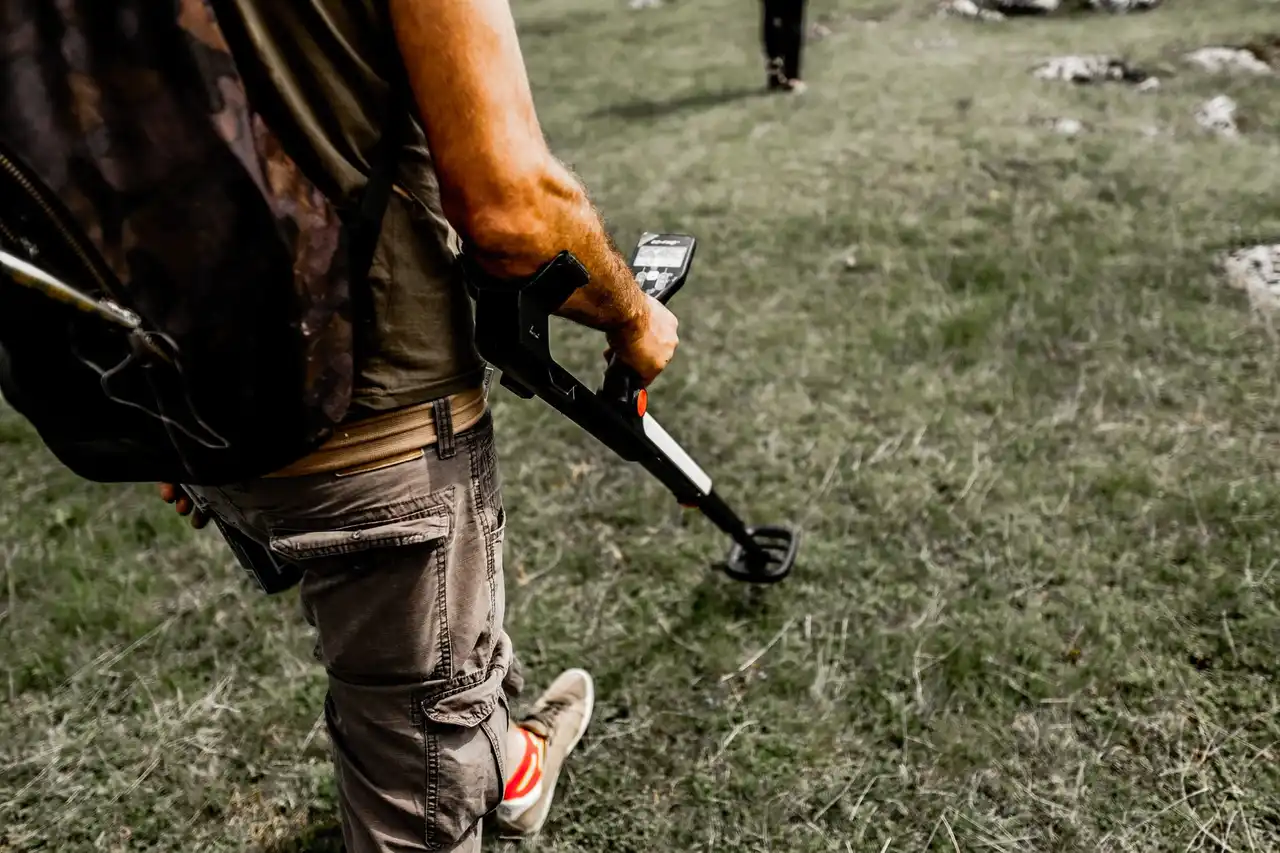
We use Sewerin and Gutermann listening devices to hear the sound of water escaping from underground pipes. This is our primary tool for pinpointing sprinkler leaks within 12 inches.
FLIR thermal imaging cameras show temperature differences between wet and dry soil. We use them when acoustic gear cannot isolate the leak, such as in saturated clay or deep mainline breaks.
We use electronic pressure gauges to test each zone and the mainline. A pressure drop tells us which section of pipe is leaking. We also use gauges to verify repairs before backfilling.
Moisture meters confirm wet soil conditions and help us map the leak path. We use them alongside thermal cameras to avoid false positives from recent irrigation cycles.
For hidden leaks that do not surface, we introduce a safe tracer gas into the line and use a Sewerin detector to find where it escapes. This works on PVC, copper, and PEX lines.
General Pipe Cleaners video systems let us look inside drain and sewer lines. If your irrigation leak has eroded soil around a sewer line, we can check for damage without digging.
For emergency repairs, we carry pipe repair clamps and epoxy resin. These are temporary fixes to stop water until we can make a permanent repair with new pipe and fittings.
We shut off each irrigation zone one at a time and watch your water meter. If the meter stops spinning when a zone is off, that zone has the leak. This simple step narrows the search to one run of pipe and saves time.
We pressurize the suspect line and walk it with acoustic listening devices. The loudest hiss is the leak. We mark the spot with paint or flags before we dig. This method works on PVC, copper, and PEX.
When soil is too saturated for acoustic gear, we use a FLIR thermal imaging camera to see the temperature difference. Wet soil holds temperature differently than dry soil. The camera shows us the leak path and helps us avoid digging in the wrong spot.
After repair, we repressurize the zone and watch the gauge for five minutes. If pressure holds, the repair is good. We also run the zone live to check coverage and adjust heads if needed. No repair is complete without a pressure test.
We follow EPA WaterSense guidelines when adjusting your controller and checking coverage. That means we set your timer for the season, check for overspray, and recommend nozzle changes if needed. You save water even after the leak is fixed.
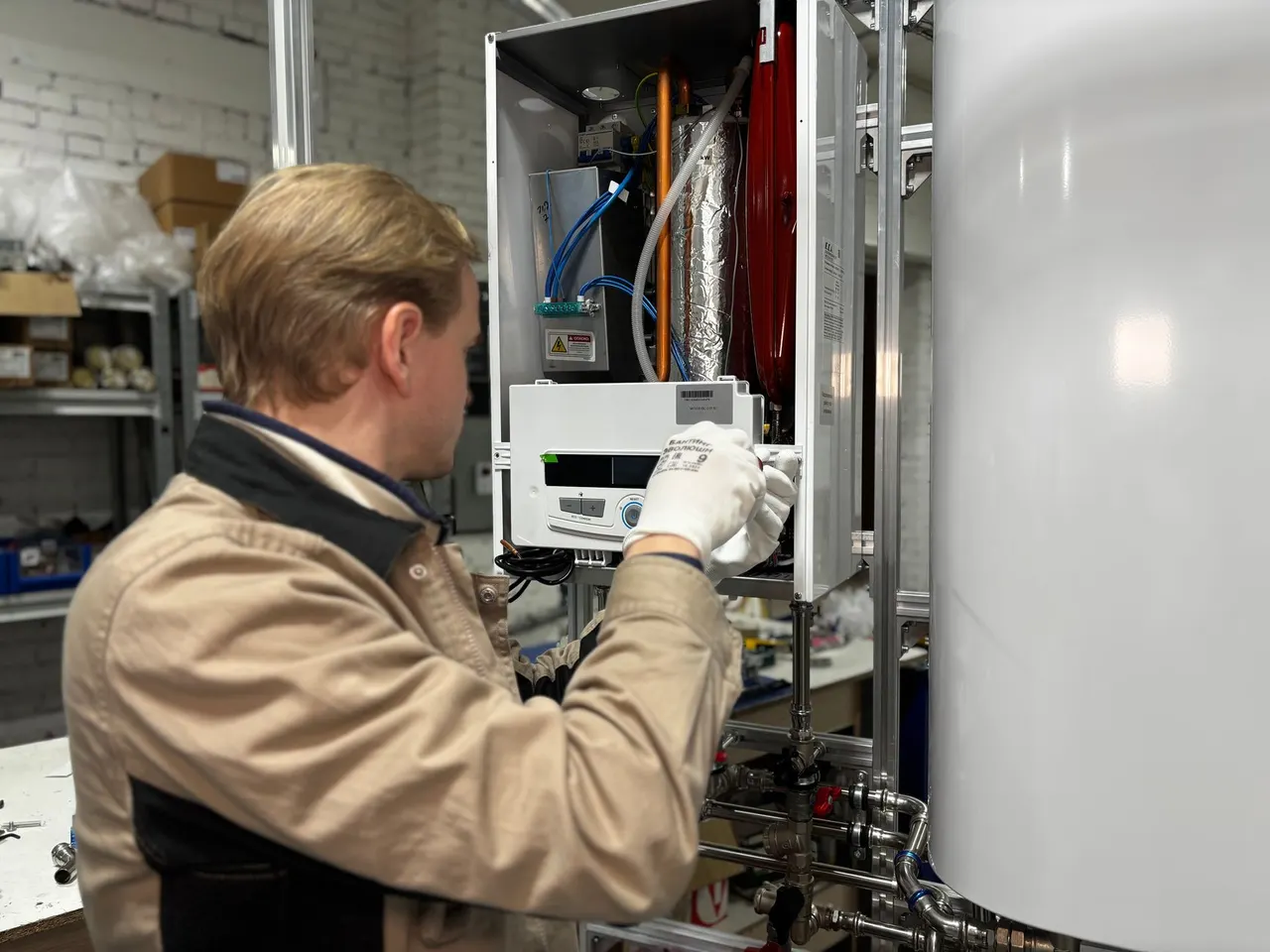
We start with a full irrigation audit. We run each zone, watch your meter, and use acoustic listening devices to find the leak. Most hidden sprinkler leaks are found within 30 minutes. We repair the same day if parts are on the truck. Your water bill returns to normal the next billing cycle. You also get a written report showing what we found and fixed.
We perform a pre-sale sprinkler inspection that includes zone testing, pressure checks, and leak detection. We provide a written report you can give to the buyer. If we find leaks, we can repair them before closing. The sale goes through without last-minute repair credits. You have documentation showing the irrigation system was inspected and repaired by a licensed contractor.
We use thermal imaging cameras and moisture meters to map the wet area. Then we use acoustic devices to pinpoint the leak. We dig a small access hole, repair the pipe, and restore the soil. Most repairs take under two hours. The soggy spot dries out within a few days. Your grass recovers, and you stop wasting water. We also adjust your timer to prevent overwatering.
We test each zone with pressure gauges to find the drop. A failed valve or a cracked mainline is usually the cause. We replace the valve or repair the pipe, then run the zone to confirm even coverage. All zones run at full pressure with even coverage. Your plants get the water they need, and you stop guessing which zone is broken.
Santee sits on clay-heavy soil that expands when wet and shrinks when dry. That movement cracks irrigation lines, especially older PVC systems installed in the 1970s and 1980s. We see it most in Carlton Hills and Carlton Oaks, where original mainlines are still in the ground. Our wet winters and dry summers make it worse. A line that survives a wet January may crack in a dry August. We also deal with high water pressure in some neighborhoods, which stresses valves and fittings. If you need affordable sprinkler system leak detection in santee, California, we know where to look first. We also check for root intrusion, since mature trees in West Hills and Rio Seco can crush shallow irrigation lines. Every repair we make is code-correct and pressure-tested.
Many homes here have original 1970s PVC irrigation systems. We see frequent mainline cracks at joints where soil has shifted over decades.
Larger lots with mature trees mean more root intrusion. We often find roots wrapped around irrigation lines near the golf course side.
Newer landscaping and drip systems are common here. Drip leaks are harder to see, so we use acoustic gear and moisture meters to find them.
Homes built in the 2000s with PEX irrigation lines. PEX is flexible but can fail at crimp rings. We carry the correct crimp tools for same-day repair.
Sloped yards mean water from a leak runs downhill before it surfaces. We use thermal cameras to trace the leak path back to the source.
Clay soil moves with moisture changes, cracking PVC joints and mainlines. This is the number one cause of sprinkler leaks we see in Santee.
Pressure above 80 PSI stresses valves and fittings. We test pressure at each zone and recommend a pressure regulator if it is too high.
Roots from oak and sycamore trees can crush shallow irrigation lines. We check for root intrusion during every leak detection visit.
The swing between dry and wet seasons accelerates soil movement. We see more leaks in late summer and early fall after the soil has dried and cracked.
A homeowner in Carlton Hills noticed a $120 jump in their water bill but could not find any wet spots. Their lawn looked fine. They had already replaced two sprinkler heads with no change. The leak was in the mainline under 4 inches of soil and grass.
We used acoustic listening devices to pinpoint the leak within 15 minutes. It was a cracked PVC joint 18 inches from the valve box. We dug a 2-foot by 2-foot access hole, replaced the joint, and pressure tested the line. The repair took 90 minutes. The next water bill was back to normal.
Maintenance: We recommended running each zone for 2 minutes monthly and watching the meter. If the meter spins when the system is off, call us. Early detection saves water and money.
A West Hills homeowner had a soggy spot in their lawn that never dried. They assumed it was poor drainage and were about to install a French drain. The spot was 6 feet wide and getting bigger. Their grass was dying in a circle around it.
We used a FLIR thermal imaging camera to map the wet area. The leak was a failed valve diaphragm in the valve box, leaking 24/7. We replaced the valve and adjusted the timer. The soggy spot dried out in three days. The grass recovered within two weeks.
Maintenance: We set their controller to water 10 minutes less per cycle. That reduced overwatering and saved about 500 gallons a month. We also checked all other valves for wear.
A Rio Seco homeowner had low pressure in one zone. The sprinklers barely popped up. They had replaced the valve and the heads, but nothing worked. The zone was losing pressure somewhere underground. A large sycamore tree was nearby.
We used acoustic equipment and a tracer gas detector to find the leak. A sycamore root had crushed the PVC pipe 3 feet from the tree. We cut out the damaged section, replaced it with new pipe, and rerouted the line around the root zone. Pressure returned to normal.
Maintenance: We recommended a root barrier along the tree line to prevent future intrusion. We also set the zone to run in two shorter cycles to reduce stress on the pipe.
Most sprinkler leaks fall into a few categories. Here are the ones we see most often in Santee and how we fix them.
You are paying for water that is soaking into the ground or running down a drain. A hidden leak can waste 30 gallons a day or more, adding $50 to $100 to your monthly bill. We use acoustic listening devices and moisture meters to find leaks that do not surface. We isolate the zone, pressurize the line, and listen for the hiss. Once we find it, we repair the pipe and verify with a pressure test.
Constant moisture drowns grass roots and creates a mosquito breeding ground. Over time, the soil turns to muck and your lawn dies in a circle around the leak. We use a FLIR thermal imaging camera to see the temperature difference between wet and dry soil. That shows us the leak path. We dig a small access hole, repair the pipe, and adjust the zone so water goes where it should.
Low pressure means uneven coverage. Some areas get too much water, others get none. Your plants suffer and your lawn develops dry patches. We test each zone with pressure gauges to find the drop. A failed valve diaphragm or a cracked mainline is usually the cause. We replace the valve or repair the pipe, then run the zone to confirm even coverage.
A leaking valve box means water is escaping before it reaches your sprinkler heads. You are paying for water that never irrigates anything. It can also flood your yard and attract pests. We open the valve box, inspect each valve for cracks or debris, and test the diaphragm. If the valve is bad, we replace it with a new one. We also check the manifold and fittings for leaks. Most valve repairs take under an hour.
If your system loses pressure when the timer is off, you have a mainline leak. That means water is escaping 24/7, not just when the zone runs. This is the most expensive kind of irrigation leak. We isolate the mainline and use acoustic equipment to find the break. Mainline leaks are usually at joints or where tree roots have crushed the pipe. We cut out the damaged section, replace it with new PVC, and pressure test before backfilling.
Our technicians hold California Contractor License (C-36 Plumbing) credentials and train on the same acoustic and thermal equipment used for slab and underground leak detection. We have worked on irrigation systems across San Diego County, from 1970s PVC mainlines in Carlton Hills to newer PEX systems in Fanita Ranch. We carry IAPMO-certified backflow testing credentials and follow EPA WaterSense guidelines when we adjust your controller. That means we do not just fix the leak; we set your system to use less water going forward.
Most sprinkler system leak detection in Santee runs $180 to $350 for the detection visit. If we repair the leak the same day, repair costs typically add $75 to $450 depending on whether it is a head, valve, or mainline break. We give you the detection price upfront and the repair price before we cut anything.
Start by shutting off each irrigation zone at the valve box and watching your water meter. If the meter stops spinning when one zone is off, that zone has the leak. Then look for the soggiest, greenest, or spongiest spot in that zone. If you cannot find it in 10 minutes, call us. Acoustic listening devices find what eyes cannot.
Some can. A cracked head or loose fitting at the valve box is a surface repair with no digging. A mainline break under grass or concrete requires a small access hole, usually 2 feet by 2 feet. We pinpoint the leak first so we only dig where we have to. No trenching across your whole yard.
The two biggest causes here are soil movement and old PVC. Santee clay expands when wet and shrinks when dry, which cracks pipe joints over time. The second is age: many systems in Carlton Hills and Carlton Oaks were installed 30 to 40 years ago and the PVC is brittle. Tree roots and high water pressure also contribute.
Not seeing your question? Our local team can help you understand urgency, scheduling and what to expect.
Ask the local team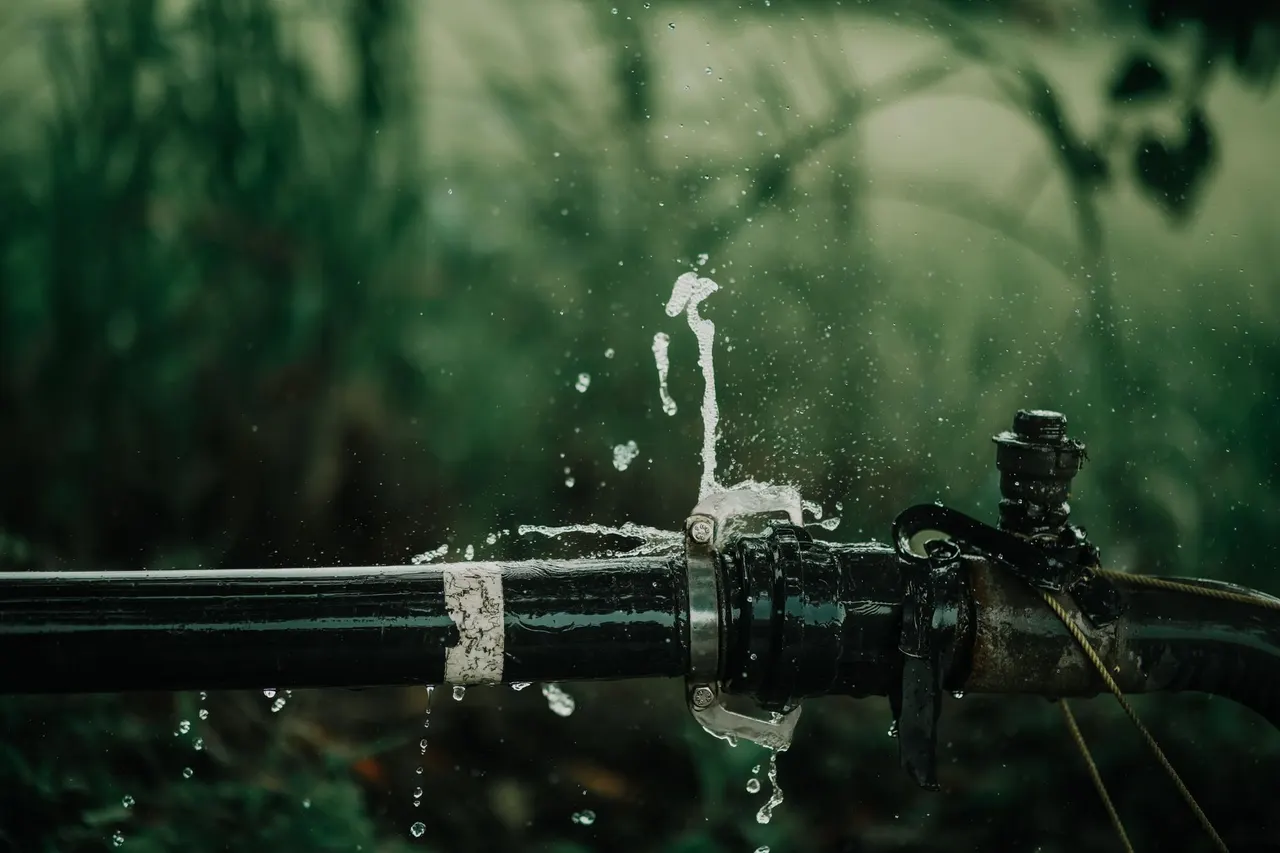
If your sprinkler leak has soaked the soil near your foundation, we can run a full water leak detection check on your main line and interior plumbing. We use the same acoustic and thermal tools to rule out a slab leak before it becomes a bigger repair.
View service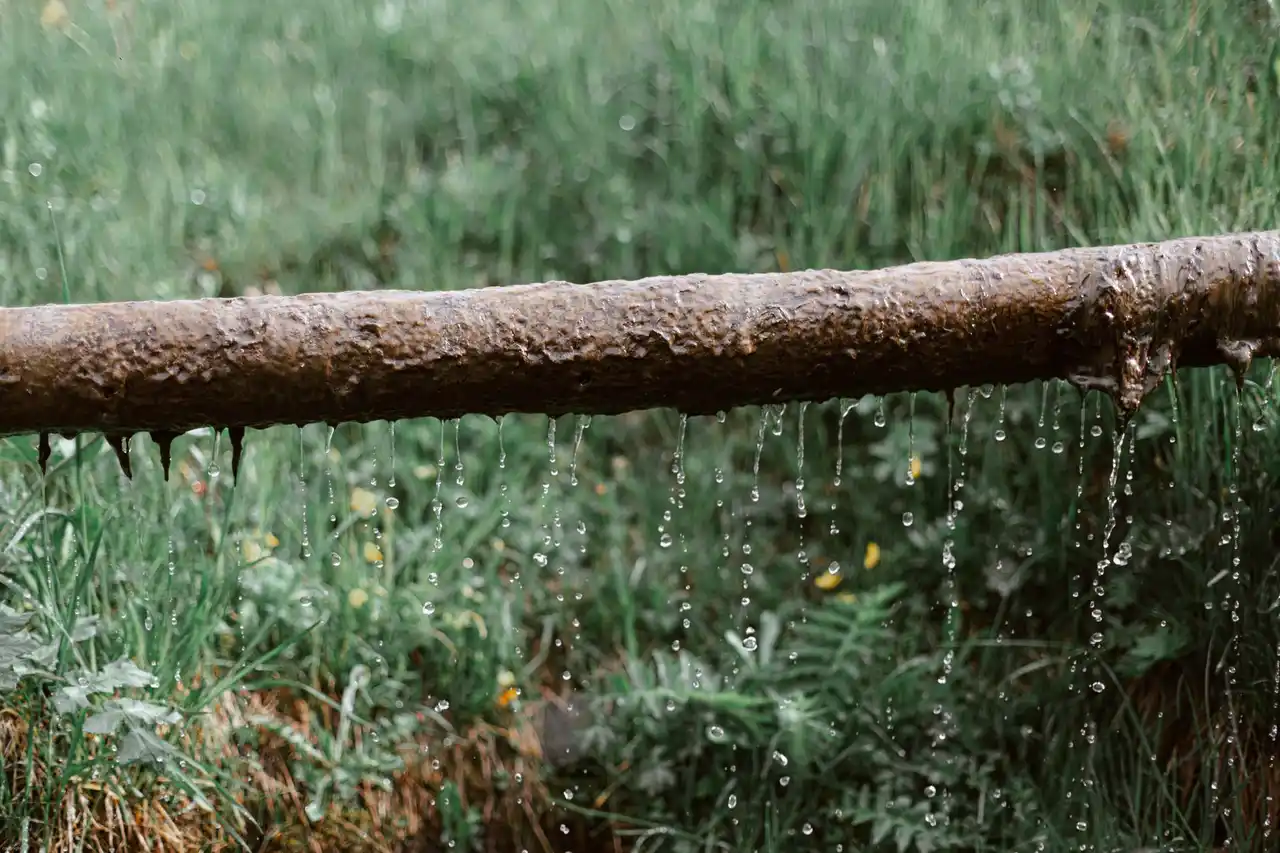
Santee homeowners with pools often find that irrigation leaks and pool leaks share symptoms: unexplained water loss and soggy spots. We test both systems separately so you know exactly which one is losing water and how much.
View service
An irrigation leak near your slab can mimic a slab leak. We use pressure testing and thermal imaging to tell the difference. If the leak is under your foundation, we have the equipment to locate it without breaking concrete.
View service
Sprinkler mainlines are underground pipes, and so are water service lines. We use tracer gas detectors and acoustic listening devices to find leaks in both. One visit can cover your irrigation system and your main water line.
View service
Call us at +16199390817 or email [email protected] and we will get a technician to your door. We answer the phone 24/7 for emergencies and book same-day appointments Monday through Friday. If you are not sure whether you have a leak, call anyway. We will tell you straight.