Focused arrival windows
Useful updates and clear arrival timing.
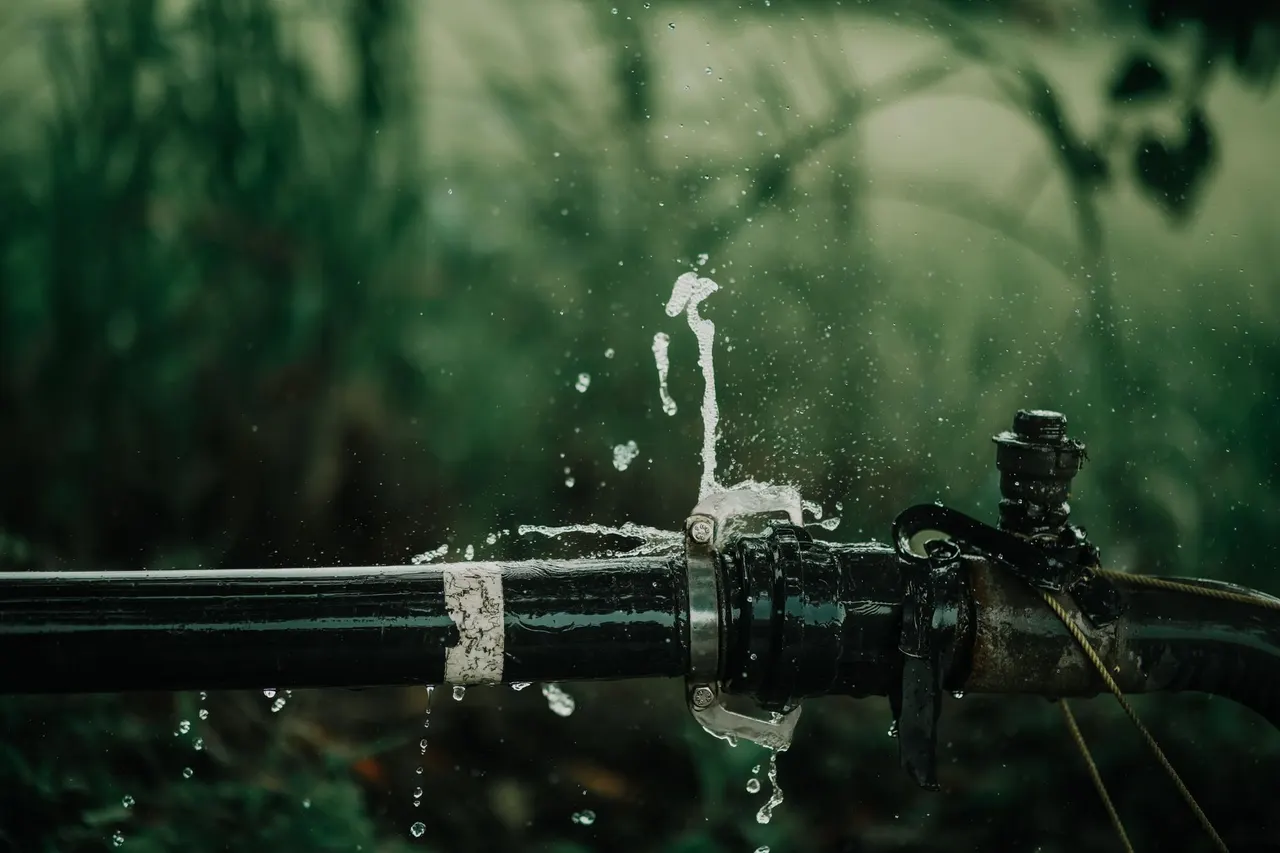
Sewer Line Leak Detection in santee is the fastest way to stop wastewater from undermining your foundation and spiking your water bill. Our licensed technicians use acoustic listening devices and pipe inspection cameras to pinpoint the exact break, then repair it with code-correct materials. If your yard smells like sewage or your drains gurgle, call us today.
Useful updates and clear arrival timing.
Review the approach and price before deciding.
Equipped vehicles and respectful cleanup.
Neighbors serving neighbors with follow-through.
Every sewer line leak detection call includes a full inspection and a written report. We don't charge extra for camera footage or a repair plan. Here's what you get when you book with us.
We feed a RIDGID camera through your cleanout to inspect the entire line. You see the footage on our monitor. We note cracks, root intrusion, bellies, and blockages. The camera records the inspection so you have proof.
We use acoustic listening devices along the pipe route to hear the leak. This non-invasive method works on pipes up to 10 feet deep. We mark the ground with paint or flags so your repair crew knows exactly where to dig.
For leaks that are hard to hear, we inject a safe tracer gas into the line and use a Sewerin detector to find where it escapes. This confirms the leak point within inches. The gas dissipates in minutes.
You get a written summary with photos, the leak location, and repair options. We include the camera footage and our recommendations. You can share it with your insurance company or repair contractor.
If you want us to fix the leak, we provide a detailed repair plan with upfront pricing. We can often repair the same day using pipe repair clamps or epoxy resin. We test the line with pressure testing gauges before we leave.
Share what is happening and receive a clear next step from the local team.
Sewer Line Leak Detection in santee is the process of locating breaks, cracks, or root intrusions in the underground pipe that carries waste from your home to the city main. We start with a video pipe inspection system to see inside the line, then use acoustic listening devices and tracer gas detectors to hear or smell the leak through soil and concrete. Once we mark the spot, we can repair it with minimal digging.
In santee, sewer lines take a beating. The region's clay soils shift with our wet winters and dry summers, cracking older PVC pipes and pulling apart joints. Homes built in the 1970s and 1980s often have original cast iron or Orangeburg pipe that's past its service life. If you've noticed soggy patches in your yard or a sewage smell near your cleanout, our sewer line leak detection services in santee, California, can tell you exactly what's happening underground.
When you call, we ask about backups, odors, and soggy spots. That tells us whether to bring a camera, acoustic gear, or both. We schedule a same-day or next-morning window and text you a 30-minute heads-up before arrival.
Our technician checks your cleanouts, floor drains, and yard for signs of overflow. We use a moisture meter on interior walls and floors to rule out slab leaks. This step takes 15 to 20 minutes and often narrows the search area.
We feed a RIDGID pipe inspection camera through the line to spot cracks, root balls, and bellies. Simultaneously, we run acoustic listening devices along the pipe route to hear the leak's distinct hiss. We mark the ground with paint or flags.
For hard-to-hear leaks, we inject a safe tracer gas into the sewer line and use a Sewerin detector to find where it escapes. This confirms the exact leak point within inches. The gas dissipates in minutes and leaves no residue.
We hand you a written summary with photos, the leak location, and repair options. If you approve, we can often repair the same day using pipe repair clamps or epoxy resin. We test the line with pressure testing gauges before we leave.
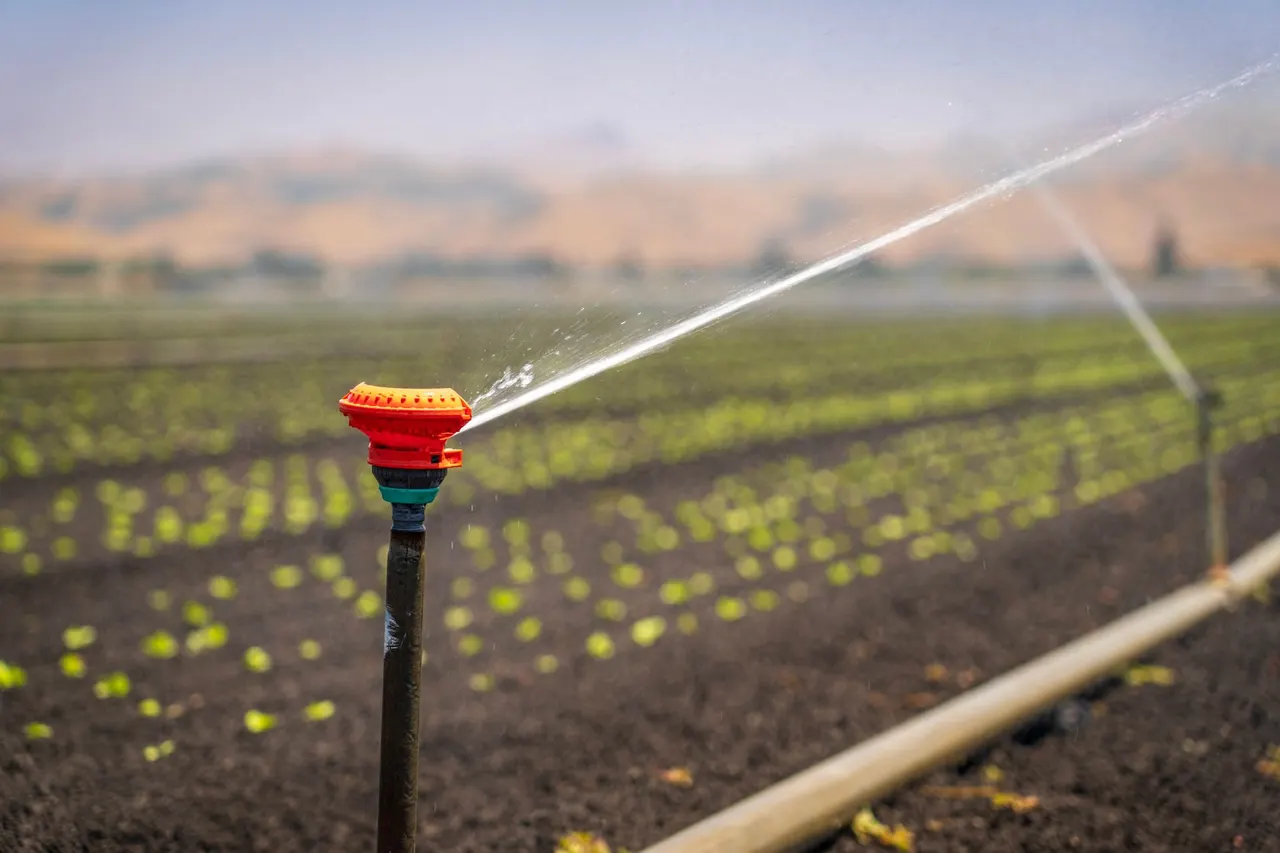
We feed this camera through your cleanout to inspect the entire sewer line. It records video and shows cracks, root intrusion, and bellies.
We inject a safe tracer gas into the line and use this detector to find where it escapes. It confirms the leak point within inches.
We place ground microphones along the pipe route to hear the leak's distinct hiss. This works on pipes up to 10 feet deep.
We use this to scan for temperature differences caused by leaking water. It helps us see saturated soil patterns before we dig.
We use these to confirm a leak after detection. They give us hard data to include in your written report.
We use these to check for hidden moisture in walls and floors. They help us rule out slab leaks and water line leaks.
We place ground microphones along the pipe route and listen for the sound of escaping water. This non-invasive method works on pipes up to 10 feet deep. We mark the leak location with paint or flags.
We inject a safe tracer gas into the sewer line and use a Sewerin detector to find where it escapes. This confirms the leak point within inches. The gas dissipates in minutes and leaves no residue.
We feed a RIDGID camera through your cleanout to inspect the entire line. You see the footage on our monitor. We note cracks, root intrusion, bellies, and blockages. The camera records the inspection.
We isolate sections of the sewer line and pressurize them with air or water. If the pressure drops, we know there's a leak. We use pressure testing gauges to get precise readings.
We use acoustic listening devices and tracer gas to find the leak. We camera the line to check for cracks or root intrusion. We mark the spot and give you a repair plan. You get a precise leak location and a written report. Your repair crew digs one hole instead of trenching the yard.
We pressure-test your plumbing and use acoustic devices on the sewer line. If the leak is underground, we use tracer gas to confirm the exact point. We also check for slab leaks. You find the leak before it causes foundation damage. You save hundreds per month on water.
We camera the entire sewer line from the cleanout to the city main. We note any cracks, bellies, or root intrusion. You get a written report with photos. You know exactly what you're buying. You can negotiate repairs or walk away from a money pit.
We inspect the line with a camera and use acoustic gear to find the blockage or break. If it's a leak, we mark it. If it's a blockage, we clear it. Your drains flow freely again. You avoid a sewage backup that would cost thousands to clean up.
Santee's climate and soil create specific challenges for sewer lines. Our wet winters saturate clay soil, causing it to expand and shift. Dry summers shrink it back. That cycle cracks pipes and pulls joints apart. Homes built in the 1970s and 1980s often have original cast iron or Orangeburg pipe that's past its service life. We also see root intrusion from sycamores and eucalyptus near Santee Lakes. When you call us for sewer line leak detection in santee town center santee CA, we bring the right tools for these conditions. We know the local code requirements and the common failure points in each neighborhood.
Older homes with original cast iron sewer lines. We often find root intrusion at joints near mature trees.
1970s tract homes with Orangeburg pipe that cracks after 40 years. We camera these lines regularly.
Newer construction with PVC pipe. We check for improper bedding and joint misalignment.
High water table and sandy soil. Leaks here can go undetected because water drains quickly.
Sloped lots with significant soil movement. We see more pipe shifts and cracks after heavy rains.
Clay expands when wet and shrinks when dry, cracking pipes and pulling joints apart. We use acoustic devices to hear leaks through the soil.
Roots seek water and infiltrate cracks, causing blockages and leaks. We camera the line to see root intrusion and mark the leak point.
Many Santee homes have original cast iron or Orangeburg pipe. These materials fail after 40 to 50 years. We inspect and recommend replacement when needed.
Winter rains raise the water table, which can mask leaks. We use tracer gas to confirm leaks even when soil is saturated.
A homeowner in Carlton Hills noticed sewage odor in the backyard and slow drains. Two plumbers recommended digging up the entire yard. The homeowner called us for a second opinion.
We camera-inspected the line and found a 6-inch crack in the cast iron pipe 4 feet down. We marked the spot within 8 inches. The repair crew dug one hole and replaced that section. The homeowner saved $4,000 in excavation costs.
Maintenance: We recommended a follow-up camera inspection in two years to check the rest of the line. Cast iron continues to deteriorate, so monitoring is key.
A rental property in Santee Town Center had recurring backups. The property manager had the line snaked twice in six months. The problem kept coming back.
We used a video pipe inspection system and found a root ball at a joint 20 feet from the cleanout. We marked the leak with acoustic gear and confirmed with tracer gas. The repair crew replaced that section with PVC. No backups in 18 months.
Maintenance: We recommended annual camera inspections and a root inhibitor treatment each spring. That keeps the roots from returning.
A homeowner in Fanita Ranch saw a $200 spike in their water bill. The city said the leak wasn't on their side. A general plumber couldn't find it.
We used acoustic listening devices and tracer gas to find a break in the sewer line under the driveway. We marked it within 6 inches. The repair crew fixed it in one day. The water bill returned to normal the next month.
Maintenance: We suggested a pressure test on the entire plumbing system to rule out other hidden leaks. The homeowner now checks their water meter monthly.
Sewer leaks show up in different ways. Here are the most common problems we solve for Santee homeowners, and what happens if you ignore them.
Raw sewage is a health hazard. It attracts pests and can seep into your crawl space, causing mold and respiratory issues. We use tracer gas and acoustic listening to find the exact leak point. Then we repair the pipe with code-correct materials. We also check for slab leaks while we're on site.
Constant moisture erodes soil under your foundation, leading to settlement cracks and uneven floors. It can also kill landscaping. We camera the sewer line to check for cracks or root intrusion. If the leak is confirmed, we mark the spot and provide a repair plan. Most repairs take one day.
A partial blockage or a collapsed pipe can cause backups into your home. That's a health code violation and a costly cleanup. We inspect the line with a video pipe inspection system. If we find a break, we pinpoint it with acoustic gear. We can often repair the same day with pipe repair clamps.
A hidden sewer leak can waste thousands of gallons per month. You pay for water that never reaches your fixtures. We use moisture meters and acoustic devices to find the leak. If it's in the sewer line, we camera the pipe and mark the defect. We also check for water line leaks.
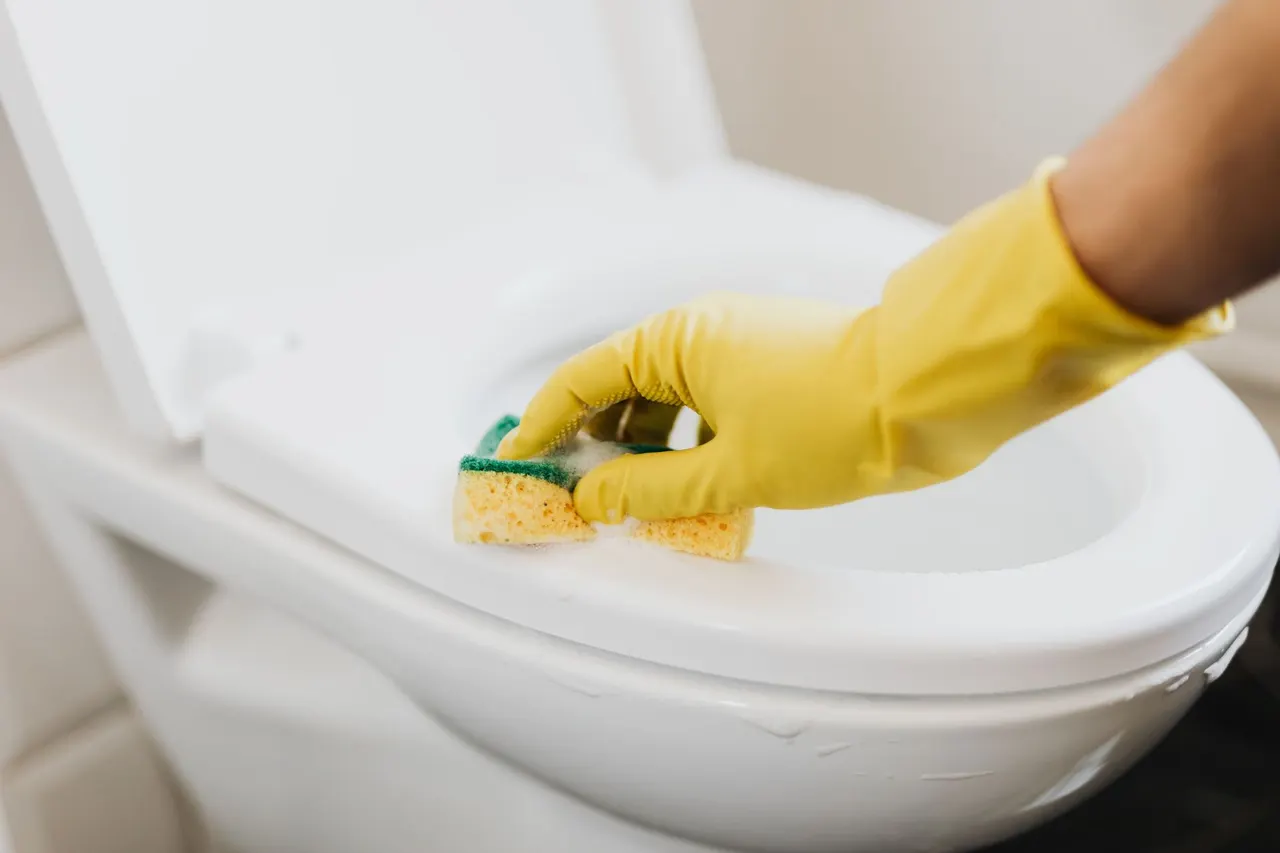
Our team holds California Contractor License (C-36 Plumbing) and Backflow Prevention Certification. We're OSHA safety compliant and carry IAPMO certification for pipe inspection. We've mapped thousands of sewer lines across San Diego County, from 1920s clay pipe in downtown Santee to modern PEX and PVC in Fanita Ranch. We invest in FLIR thermal imaging cameras and Gutermann acoustic systems because cheap tools miss deep leaks. When we mark a spot, it's right.
Most sewer line leak detection jobs in santee cost between $180 and $650 in 2026. A basic acoustic scan runs $180 to $280. Adding a video pipe inspection brings it to $350 to $450. Tracer gas confirmation for deep or hard-to-hear leaks pushes it to $500 to $650. We quote the exact price before we start.
The most common signs are sewage odor in your yard, soggy patches that never dry, and gurgling drains after you run water. You might also see a sudden spike in your water bill or slow drains throughout the house. If you notice any of these, call us for a camera inspection before the leak undermines your foundation.
Sometimes, yes. If the leak is in a straight run of pipe and the line is structurally sound, we can use trenchless methods like pipe bursting or cured-in-place lining. That means one small access pit instead of a full trench. But if the pipe has collapsed or has multiple breaks, we may need to dig and replace that section.
In santee, the top causes are clay soil movement, root intrusion from nearby trees, and aging pipes. Older homes often have cast iron or Orangeburg pipe that cracks after 40 to 50 years. We also see leaks from poor original installation, like misaligned joints or insufficient bedding. A camera inspection tells you exactly what you're dealing with.
Not seeing your question? Our local team can help you understand urgency, scheduling and what to expect.
Ask the local team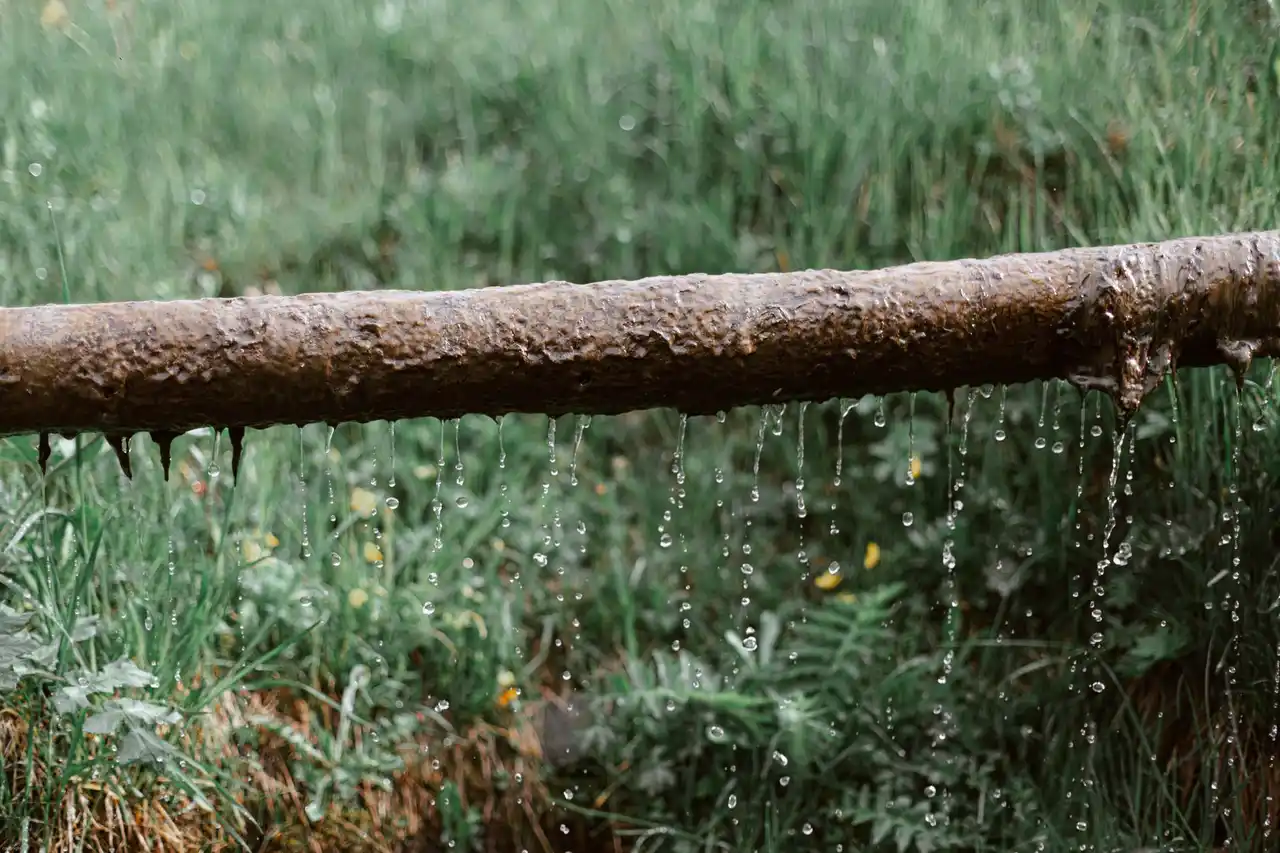
A sewer leak and a water leak can both cause soggy yards. We use acoustic and thermal tools to tell them apart, so you don't pay for the wrong repair. If your water bill spikes without a sewer smell, start here.
View service
Pool leaks and sewer leaks both waste water and damage soil. We pressure-test pool plumbing and dye-test the shell, then compare findings to your sewer camera footage. Santee pool owners save thousands by fixing the right leak first.
View service
A slab leak under your foundation can be a water line or a sewer line. We use thermal imaging cameras and acoustic listening devices to pinpoint which line is leaking before we break concrete. That saves you from unnecessary demolition.
View service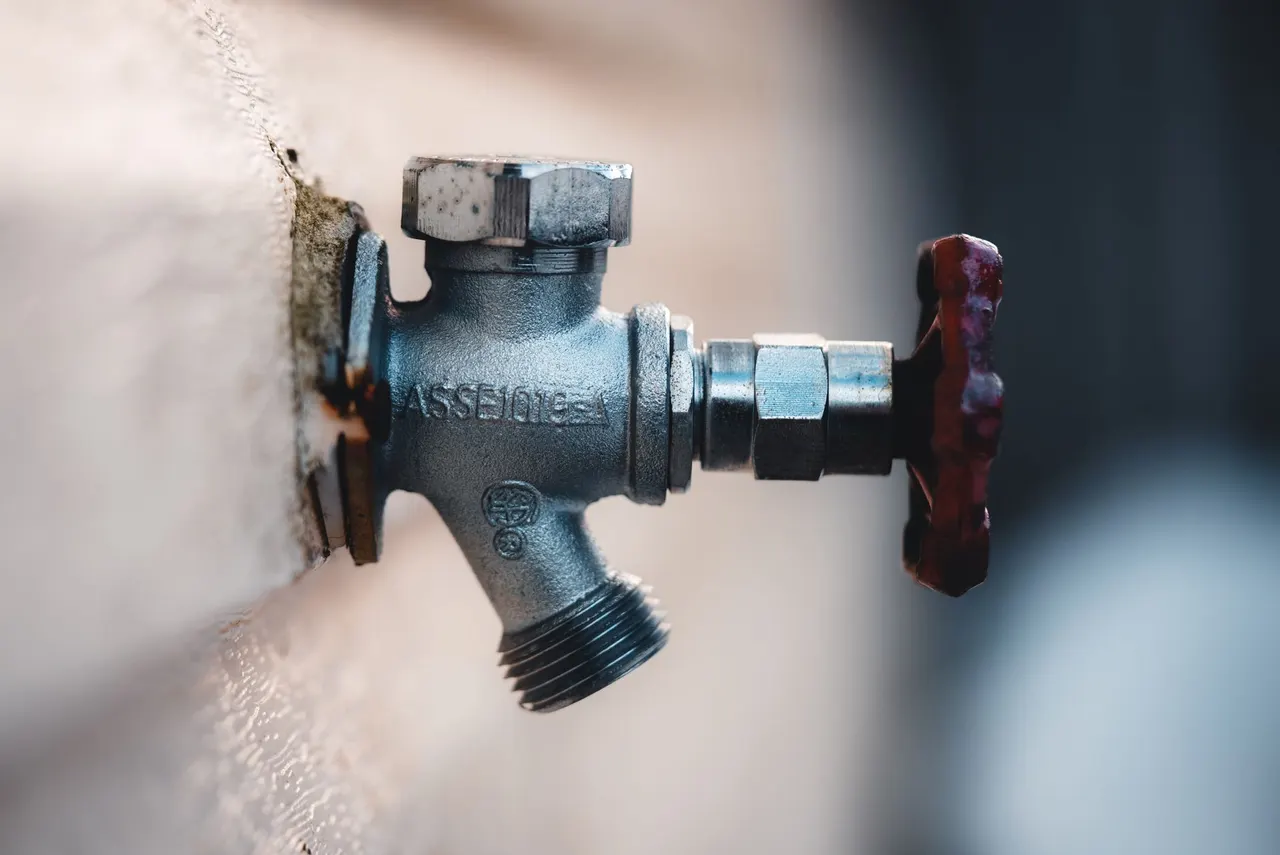
Sewer lines are just one type of underground pipe. We also locate leaks in water mains, irrigation lines, and gas lines using tracer gas and electronic leak detection equipment. One call covers all your buried pipes.
View service
Call us at +16199390817 or email [email protected] and we will get a technician to your door. We answer the phone 24/7 for emergencies and book same-day appointments Monday through Friday. If you are not sure whether you have a leak, call anyway. We will tell you straight.