Focused arrival windows
Useful updates and clear arrival timing.
Residential Leak Detection in santee starts with pinpoint accuracy, not guesswork. We use thermal imaging cameras, acoustic listening devices, and pressure testing gauges to find hidden water leaks behind walls, under slabs, and in your yard. Whether you're in Carlton Hills or near Santee Lakes, we locate the problem and repair it the same day whenever possible. One call, one crew, no mess left behind.
Useful updates and clear arrival timing.
Review the approach and price before deciding.
Equipped vehicles and respectful cleanup.
Neighbors serving neighbors with follow-through.
Every residential leak detection visit includes a full system pressure test, acoustic and thermal scanning, and a pinpoint location. We show you the evidence before we recommend any repair. If you approve the repair, we credit part of the detection fee toward the work.
We shut off all fixtures and pressurize your plumbing system with a pressure testing gauge. If the gauge drops, you have a leak. This step isolates the problem to your plumbing, irrigation, or pool system. It takes 20 to 30 minutes.
We use acoustic listening devices to hear water escaping under pressure. This works best for leaks behind walls or under slabs. We walk the entire perimeter and interior, listening for the telltale hiss of a pinhole leak in copper pipes or PEX piping.
A FLIR thermal imaging camera shows temperature differences caused by moisture. We scan walls, floors, and ceilings to see hidden water leaks without cutting into anything. The camera narrows the search to a 6-inch area.
We confirm the exact leak location with a moisture meter. You see the reading before we recommend any repair. This step prevents unnecessary demolition and ensures we fix the right spot the first time.
You get a written summary of what we found, where it is, and what it takes to fix it. The quote includes parts and labor. If you approve, we schedule the repair, often the same day. No pressure, no hidden fees.
Share what is happening and receive a clear next step from the local team.
Residential Leak Detection in santee is the process of finding hidden water leaks in your home's plumbing system using non-invasive tools before they cause major damage. We start with a full pressure test on your main line, then use acoustic listening devices and thermal imaging cameras to hear and see water escaping behind walls, under slabs, or underground. A moisture meter confirms the exact spot. No guesswork, no tearing out drywall just to look around.
Santee homes deal with hard water, clay soil that shifts after heavy rains, and older copper pipes that pinhole over time. We see slab leaks in Carlton Oaks, irrigation system leaks near Fanita Ranch, and water heater leaks in West Hills almost weekly. If you've noticed a spike in your water bill or a damp spot that won't dry, our residential leak detection services in santee, California find the source without unnecessary demolition.

You call, we ask a few questions: where's the water showing up, when did it start, has your bill jumped. Five minutes on the phone tells us whether to bring slab gear, pool gear, or standard plumbing tools. We schedule a same-day or next-morning visit.
We shut off all fixtures and pressurize your plumbing system using a pressure testing gauge. If the gauge drops, you have a leak. If it holds, the problem is in your irrigation, pool, or sewer line. This step takes 20 to 30 minutes and tells us exactly where to focus.
We walk your home with acoustic listening devices and a FLIR thermal imaging camera. The acoustic gear hears water escaping under pressure. The thermal camera sees temperature differences caused by moisture. Together they narrow the leak to a 6-inch area.
A moisture meter confirms the exact spot. We mark it with tape and show you the reading. If it's a slab leak, we use electronic leak detection equipment to trace the line under the concrete. You see the evidence before we cut anything.
We repair the line using copper pipes, PEX piping, or epoxy resin depending on the situation. Then we re-pressurize the system and watch the gauge for 15 minutes. If it holds steady, the leak is fixed. We clean up and haul away debris.
We use Sewerin and Gutermann acoustic gear to hear water escaping under pressure. It's the best tool for finding hidden leaks behind walls or under slabs.
FLIR thermal imaging cameras show temperature differences caused by moisture. We scan walls, floors, and ceilings to see hidden water leaks without cutting into anything.
We send a signal along pipes to find breaks or cracks. This works well for slab leaks, underground lines, and water mains. It tells us exactly where to dig or cut.
We pressurize your plumbing system and watch the gauge. If it drops, you have a leak. This step isolates the problem to your plumbing, irrigation, or pool system.
We confirm the exact leak location with a moisture meter. You see the reading before we recommend any repair. It prevents unnecessary demolition.
We use RIDGID and General Pipe Cleaners cameras to look inside drain and sewer lines. We find cracks, root intrusion, or collapsed sections without digging.
We use tracer gas to find leaks in underground lines, gas lines, and water mains. It's safe, accurate, and works when acoustic gear can't pinpoint the leak.
We shut off all fixtures and pressurize the system to 80-100 PSI. If the gauge drops more than 5 PSI in 15 minutes, there's a leak. This method isolates the problem to a specific system and tells us where to focus.
We use two acoustic sensors to triangulate the leak location. The sensors pick up the sound of water escaping and a processor calculates the exact spot. This works best for leaks under slabs or behind walls.
We scan the entire home with a FLIR camera, looking for temperature anomalies caused by moisture. Wet areas show up as cooler or warmer patches. We mark them and confirm with a moisture meter.
For pools and spas, we inject leak detection dye near suspected cracks. The dye gets pulled into the leak, showing us exactly where it is. It's safe for the pool and the environment.
We feed a camera into drain and sewer lines to see the inside of the pipe. We find cracks, root intrusion, and blockages. This method is essential for sewer line leaks and drain leaks.
We pressure-test your main line and use acoustic listening devices to find the leak. Most hidden leaks are located in under an hour. We show you the reading on the moisture meter before we recommend any repair. You get a pinpoint location, an upfront repair quote, and a fix that stops the waste. Your next bill should drop back to normal.
Running water sounds mean a leak under pressure. We use acoustic listening devices and thermal imaging cameras to find it behind walls or under slabs. We repair the line with copper pipes or PEX piping and pressure-test the system. The sound stops, the leak is fixed, and you can sleep without hearing water run. We verify the repair before we leave.
We perform a full leak detection inspection: pressure test, acoustic scan, thermal imaging, and moisture meter checks on the entire plumbing system. You get a written report with photos and repair recommendations. You know exactly what you're buying. If there's a hidden leak, you can negotiate the repair or walk away. No surprises after closing.
We use leak detection dye and pressure testing to check the shell, plumbing, and fittings. If there's a leak, we find it and repair it. Most pool leaks are fixed the same day. Your pool holds water again, your chemicals stay balanced, and you're not wasting thousands of gallons a week.
We use thermal imaging cameras and moisture meters to trace the leak to its source. It could be a roof leak, a plumbing leak, or a drain leak. We find it and repair it. The damp spot dries up, mold doesn't grow, and you avoid costly drywall and paint repairs. We fix the cause, not just the symptom.
Santee's climate and soil create specific leak patterns. Our hot, dry summers bake the clay soil, causing it to shift and crack underground pipes. Winter rains saturate the ground and expose leaks that were dormant. Homes built in the 1960s and 1970s in Carlton Hills and West Hills often have original copper pipes that pinhole after decades of hard water exposure. Newer homes in Fanita Ranch use PEX piping, which is more flexible but can fail at fittings. We also see pool leaks near Santee Lakes and irrigation system leaks in Rio Seco. When you search for how to detect leaks in santee home, the answer is a pressure test followed by acoustic and thermal scanning. We know the local plumbing codes and the common failure points. If you need residential leak detection and repair santee CA homeowners trust, we're ready to help.
Many homes here were built in the 1960s with original copper pipes. We see pinhole leaks and slab leaks frequently. The soil is clay-heavy and shifts after rain.
Larger lots mean longer water mains and irrigation lines. Underground leaks are common. We use tracer gas detectors to find them without digging up the whole yard.
Newer construction with PEX piping. Leaks here are usually at fittings or manifolds. We pressure-test the system and use thermal imaging to find the source.
Older homes with copper pipes and high water pressure. We often find leaks in water heater lines and slab leaks under living rooms. Pressure regulators help prevent future leaks.
Pool leaks and irrigation leaks are common here. The high water table can mask underground leaks. We use leak detection dye and acoustic gear to find them.
Shifting soil cracks underground pipes and water mains. We see more underground leaks after heavy rains or prolonged drought. Tracer gas detectors help us find them without digging.
Hard water corrodes copper pipes from the inside out, causing pinhole leaks. Homes in Carlton Hills and West Hills are especially prone. A pressure test and acoustic scan find them early.
Pressure above 80 PSI stresses fittings and valves. We install pressure regulators to bring it down to 50-60 PSI, which extends the life of your plumbing and prevents leaks.
Heat causes pipes to expand and irrigation systems to run more. We see more irrigation leaks and slab leaks in July and August. Early detection prevents water waste and foundation damage.
A homeowner in Carlton Hills noticed warm spots on the floor and a $120 water bill spike. We pressure-tested the system and used thermal imaging to find a hot water slab leak under the hallway. The copper pipe had pinholes from hard water corrosion.
We cut a 12-inch access hole, repaired the copper pipe with a new section, and pressure-tested the line to 100 PSI. The gauge held steady for 15 minutes. We patched the slab and the homeowner's next bill dropped by $95.
Maintenance: We recommended a pressure regulator to keep water pressure under 60 PSI. That prevents future pinhole leaks in the copper pipes. We also suggested an annual pressure test.
A pool in the Santee Lakes area was losing an inch of water a day. The homeowner thought it was evaporation. We used leak detection dye and found a cracked fitting in the return line. The pool was losing 500 gallons a day.
We repaired the fitting with epoxy resin and pressure-tested the line. The pool held water at the normal evaporation rate. The homeowner saved $150 a month on water and chemicals.
Maintenance: We recommended checking the pool's water level weekly and running the pump on a timer. That reduces stress on the fittings and prevents future leaks.
A West Hills homeowner heard water running at night but couldn't find it. We used acoustic listening devices and found a pinhole leak in a copper pipe behind the laundry room wall. The drywall was damp but not yet moldy.
We cut a small hole, repaired the pipe with a pipe repair clamp, and pressure-tested the system. The leak stopped. We dried the wall cavity and the homeowner painted over the patch. Total repair time was three hours.
Maintenance: We suggested installing a water softener to reduce hard water corrosion. That extends the life of the copper pipes and prevents future pinhole leaks.
From slab leaks to pool leaks, we've seen every kind of hidden water leak in Santee. Here are the most common problems we fix and what happens if you ignore them.
A hidden leak can waste 10,000 gallons a month, costing you hundreds and damaging your foundation. If ignored, it can lead to mold and structural cracks. We pressure-test your main line and use acoustic listening devices to find the leak behind walls or under slabs. Most hidden leaks are located in under an hour. We repair the line and verify with a second pressure test.
Warm spots mean hot water is leaking under your slab. The constant moisture erodes soil and can crack your foundation. Repair costs climb fast if you wait. We use electronic leak detection equipment and thermal imaging cameras to trace the line under the concrete. We mark the spot, cut a small access hole, and repair the copper pipe or PEX piping. Then we patch the slab.
A pool leak can drain thousands of gallons a week, damage surrounding soil, and cause the pool shell to shift. It also wastes chemicals and drives up your water bill. We use leak detection dye and pressure testing to find cracks in the shell, plumbing, or fittings. Most pool leaks are repaired the same day. We fix the line and refill the pool to check for leaks.
A slow drain leak or supply line leak creates mold and rots cabinet wood. Mold spores spread through your home and can cause health problems. We inspect under sinks with moisture meters and thermal imaging cameras. If the leak is in the drain line, we use video pipe inspection systems to see inside the pipe. We repair the line and treat the area for mold.
Green patches mean an underground pipe leak is feeding your grass. The constant moisture erodes soil and can cause sinkholes. It also wastes water. We use acoustic listening devices and tracer gas detectors to find the leak without digging up your whole yard. We mark the spot, repair the line with pipe repair clamps or epoxy resin, and restore the soil.
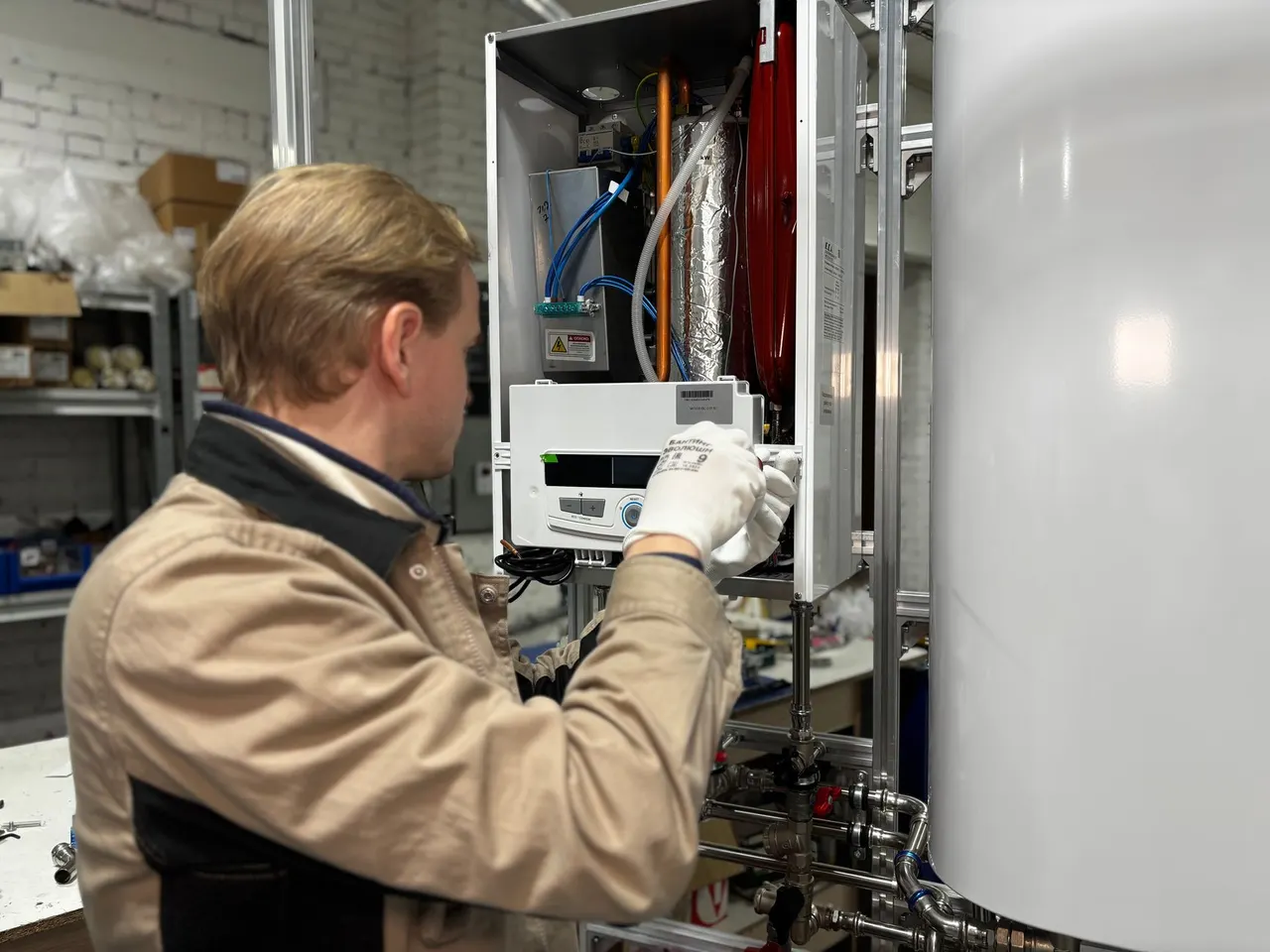
Our technicians hold California Contractor License (C-36 Plumbing) and carry IAPMO certification. We train on RIDGID and General Pipe Cleaners inspection cameras, Sewerin and Gutermann acoustic equipment, and FLIR thermal imaging. We've worked on Santee homes from Carlton Hills to Sky Ranch, and we know how local soil conditions and hard water affect copper pipes and PEX piping. When you need professional residential leak detection santee CA residents trust, we bring the right tools and the experience to use them.
Most residential leak detection in santee runs $180 to $450 depending on complexity. Standard pressure testing and acoustic scanning for a single-family home falls at the lower end. Slab leaks, pool leaks, or underground line tracing costs more because they take longer and require specialized equipment. If you approve the repair, we credit a portion of the detection fee toward the work. Call us at +16199390817 for a quote.
Start by shutting off every fixture and watching your water meter. If the dial still spins, you have a hidden leak. Check for warm spots on the floor (slab leak), musty smells under sinks, or green patches in the yard (underground pipe leak). If you can't find it, call us. We use acoustic listening devices and thermal imaging cameras to locate the leak within inches, usually in under an hour.
Yes, most residential leaks can be repaired the same day in santee. We carry copper pipes, PEX piping, pipe repair clamps, and epoxy resin on every truck. A pinhole leak in a copper pipe takes about two hours to fix. A slab leak may take four to six hours because we need to open the concrete, repair the line, and patch it. Call before noon and we'll do our best to finish by evening.
The most common causes we see in santee are hard water corrosion in copper pipes, soil shifting after heavy rains that cracks underground lines, and high water pressure that stresses fittings. Older homes in Carlton Hills and West Hills often have original copper pipes that pinhole after 30 to 40 years. Pool leaks and irrigation system leaks are also common near Santee Lakes and Fanita Ranch. A pressure test tells us which system is failing.
Not seeing your question? Our local team can help you understand urgency, scheduling and what to expect.
Ask the local team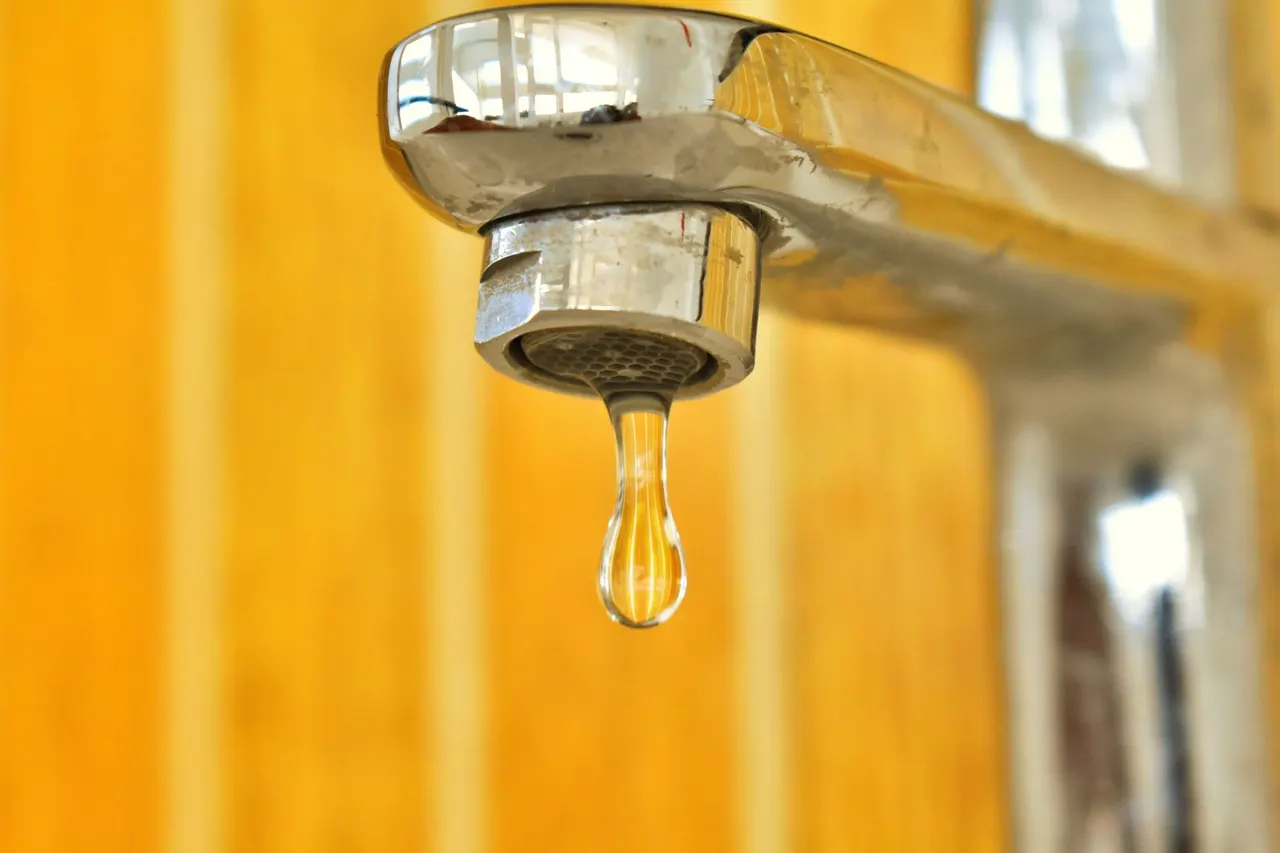
Water leak detection is the core of what we do. We pressure-test your main line, then use acoustic and thermal tools to find hidden water leaks behind walls or under floors. Most santee homes get a pinpoint location in under an hour.
View service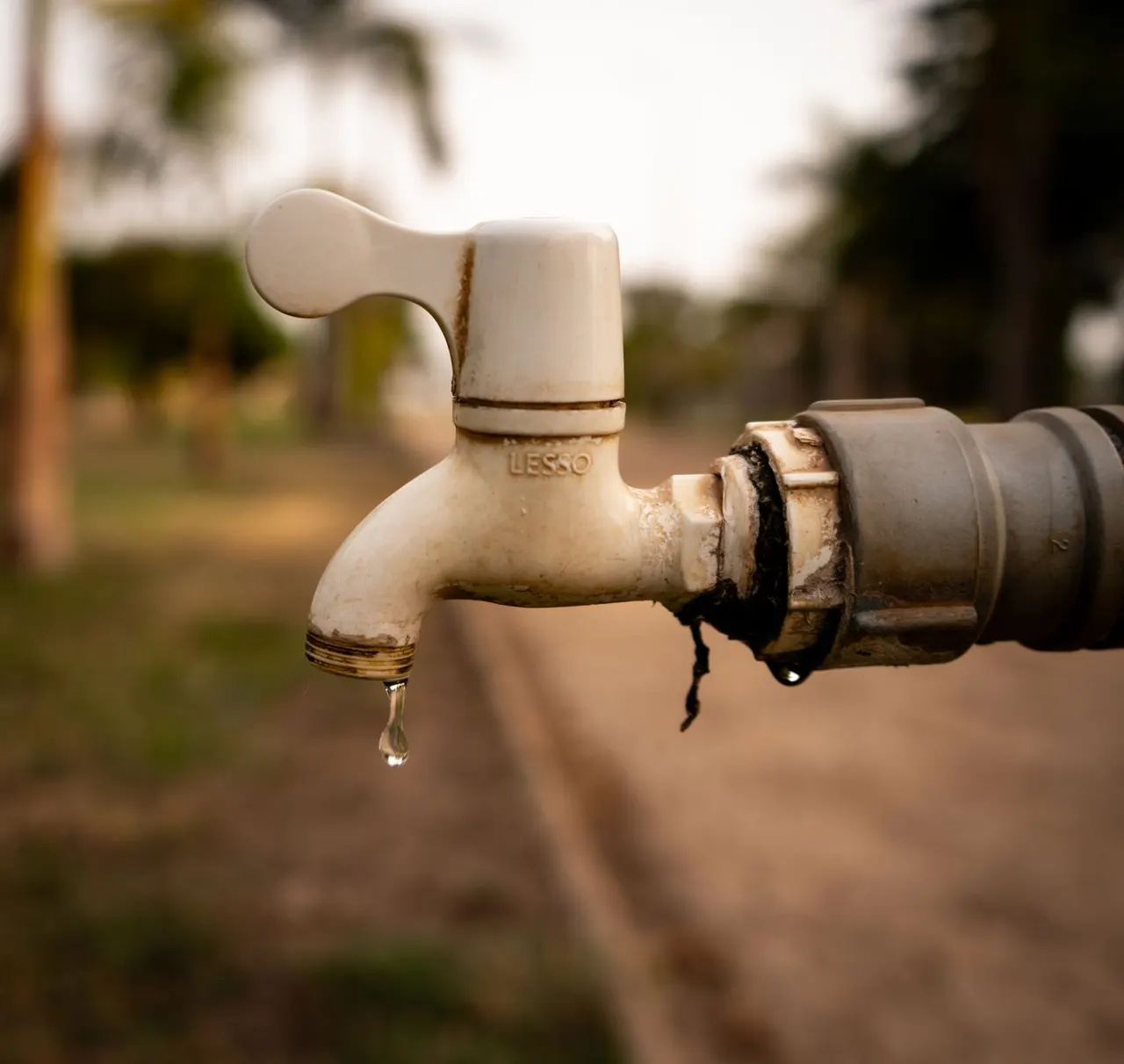
Pool leaks waste thousands of gallons and damage surrounding soil. We use leak detection dye and pressure testing to find cracks in the shell, plumbing, or fittings. Santee pools near Santee Lakes often deal with shifting soil that stresses lines.
View service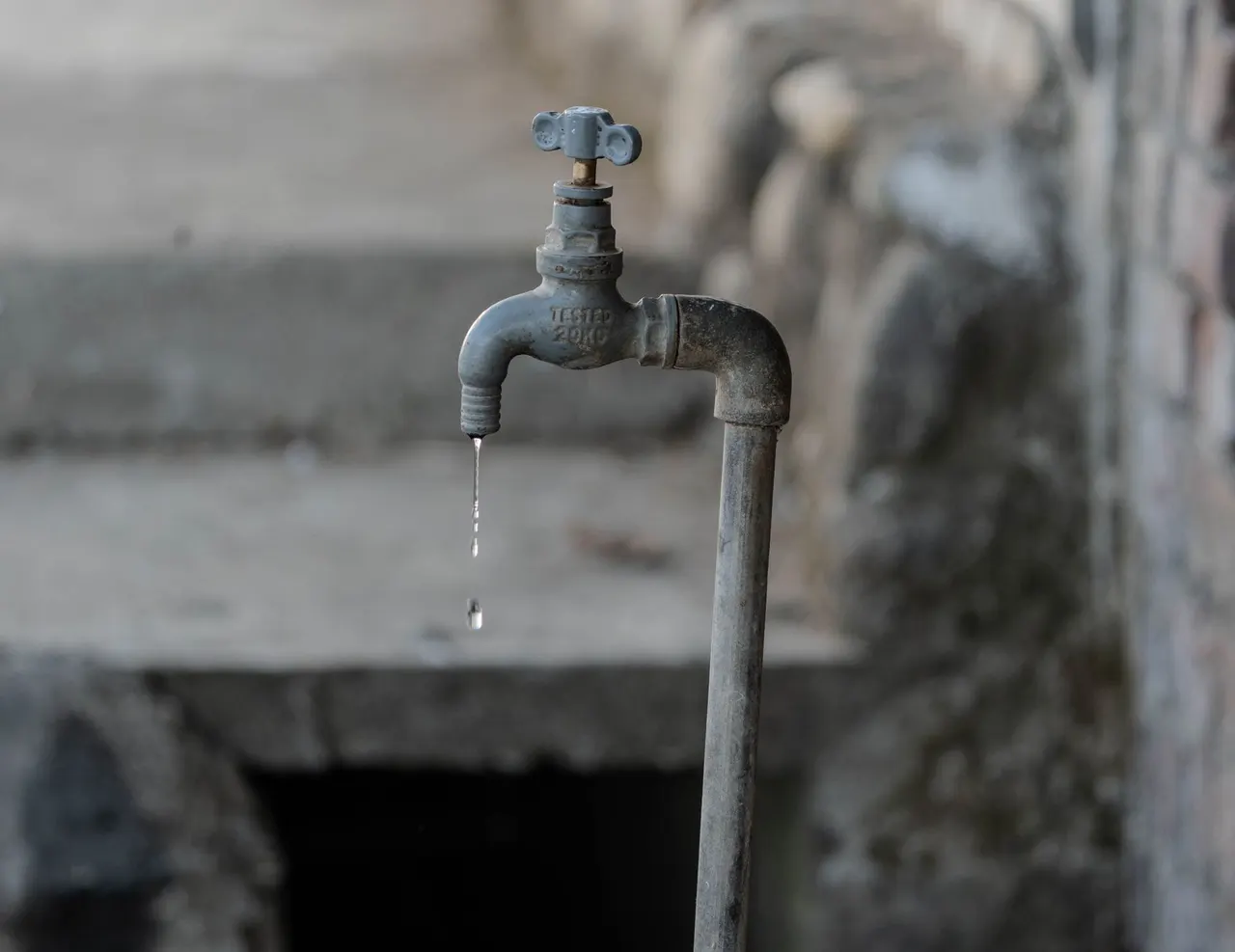
Slab leaks are common in older santee homes with copper pipes under the foundation. We use electronic leak detection equipment and acoustic listening devices to trace the line under concrete, then repair it with minimal demolition. Early detection prevents foundation cracks.
View serviceUnderground pipe leaks waste water and erode soil. We use tracer gas detectors and acoustic gear to find leaks in water mains, irrigation lines, and sewer lines without digging up your whole yard. We mark the spot, then repair it.
View serviceCall us at +16199390817 or email [email protected] and we will get a technician to your door. We answer the phone 24/7 for emergencies and book same-day appointments Monday through Friday. If you are not sure whether you have a leak, call anyway. We will tell you straight.