Focused arrival windows
Useful updates and clear arrival timing.
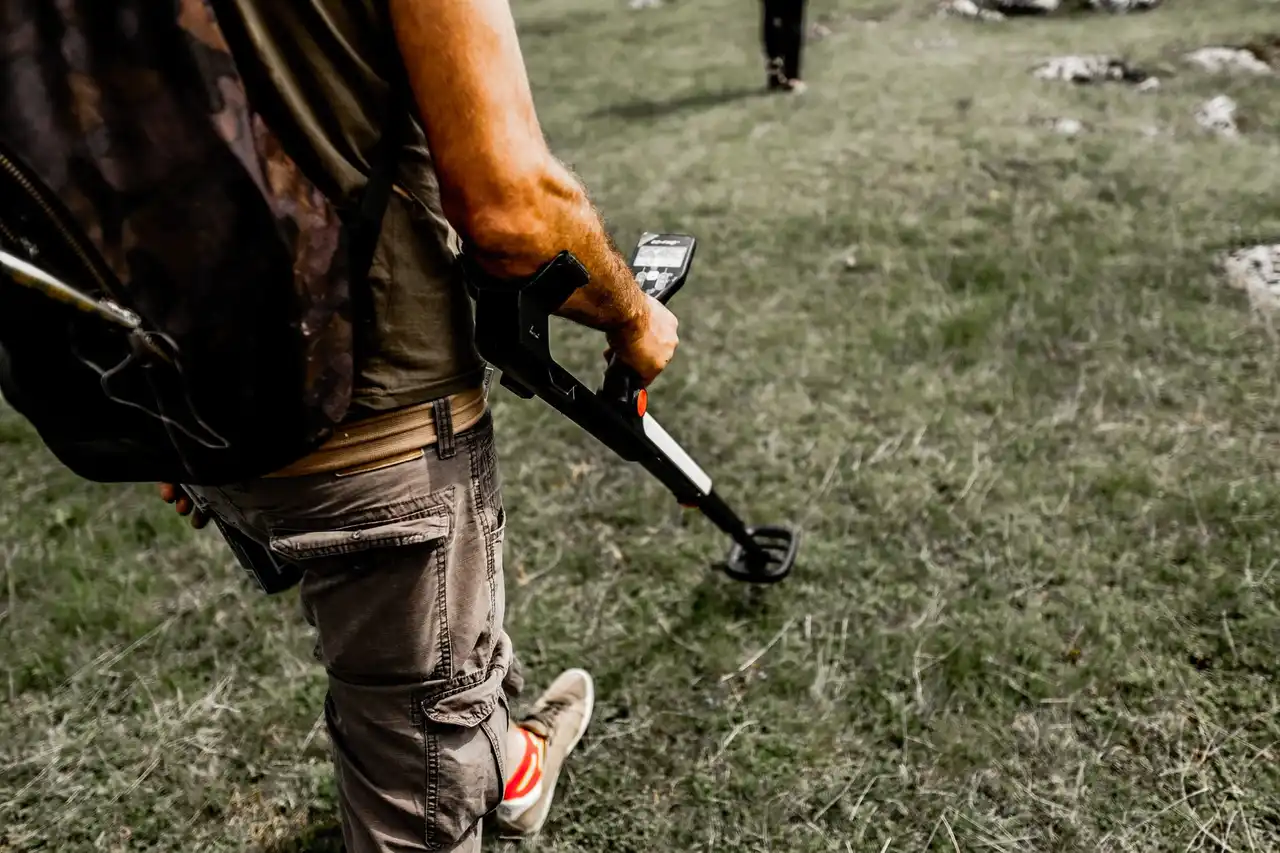
Pipe Leak Detection in santee starts with listening, not demolition. We use acoustic listening devices, thermal imaging cameras, and pressure testing gauges to find hidden water leaks behind walls, under slabs, and beneath your yard, then repair the line and verify it holds. If you have a climbing water bill, a warm spot on the floor, or a meter that never stops spinning, call us for same-day pipe leak detection services in santee, California.
Useful updates and clear arrival timing.
Review the approach and price before deciding.
Equipped vehicles and respectful cleanup.
Neighbors serving neighbors with follow-through.
Every pipe leak detection visit includes the full search and a verified repair. We do not charge extra for the tools we use, and we do not leave until the line holds pressure. Here is what is covered when you book.
We isolate the hot, cold, and irrigation lines and pressurize each with pressure testing gauges. This tells us which side of the system is leaking and narrows the search before we bring in the listening equipment.
We walk the line with acoustic listening devices and a thermal imaging camera to hear and see the leak. This is included in every visit, not an add-on. It is how we find leaks behind walls and under slabs without demolition.
We use moisture meters to map how far water has traveled from the leak. That tells us whether drywall, insulation, or flooring needs attention beyond the pipe repair, and it helps us confirm the leak is fixed.
We repair the failed section with solder, pipe repair clamps, or epoxy resin matched to your pipe material, then re-pressurize and watch the gauge for 15 minutes. You get photos of the repair before we close the access.
You get a written summary of what failed, what we fixed, and what to watch. If we found a slab leak or underground pipe leak, we note the conditions and recommend a follow-up moisture check in 30 days.
Share what is happening and receive a clear next step from the local team.
Pipe Leak Detection in santee is the process of locating a hidden water leak in copper pipes, PEX piping, or PVC pipes without tearing apart your home to find it. We pressurize the system, then use acoustic listening devices to hear water escaping, thermal imaging cameras to spot temperature differences behind drywall, and moisture meters to confirm where the water is traveling. Once we know the exact spot, we repair the line with pipe repair clamps, solder, or epoxy resin, then pressure-test again to prove the fix holds. Most residential pipe leak detection santee jobs take two to four hours from arrival to confirmed repair.
If your water bill jumped $80 last month and nothing changed, a hidden water leak is the likely culprit. Santee sits on a mix of older slab-on-grade homes and newer PEX builds, and both develop leaks for different reasons. Copper pipes in 1970s Carlton Hills homes pit from the inside out, while PEX fittings in newer construction can fail at crimp joints. We handle slab leaks, underground pipe leaks, and water heater leaks across San Diego County, and we can usually tell you on the phone whether you need same-day pipe leak detection santee or a scheduled inspection.
You describe the symptom: high bill, warm floor, sound of running water, or a damp spot. We ask a few questions about your home age and pipe material, then give you a price range and a two-hour arrival window. Most calls are answered by a technician, not a call center.
We shut off the supply, isolate sections, and pressurize the lines with pressure testing gauges. This tells us whether the leak is on the hot side, cold side, or irrigation loop. It takes 15 to 20 minutes and narrows the search before we bring in the listening gear.
We walk the line with acoustic listening devices and a thermal imaging camera, listening for the hiss of escaping water and looking for temperature shadows behind walls or under floors. We confirm with a moisture meter and, when needed, tracer gas detectors. This is the step that saves your drywall.
Once we mark the spot, we open the smallest access possible and repair the pipe with solder, pipe repair clamps, or epoxy resin depending on material. Then we re-pressurize and watch the gauge for 15 minutes. If it holds, we clean up and show you the repair.
We hand you a written summary of what failed, what we fixed, and what to watch. If we found a slab leak or underground pipe leak, we note the soil conditions and recommend a follow-up moisture check in 30 days. You get photos of the repair before we close the wall.
Amplifies the sound of water escaping a pipe so we can hear the leak through drywall, concrete, or soil. We use Sewerin and Gutermann units.
Shows temperature differences caused by escaping water. We use FLIR and Fluke cameras to see leaks behind tile and under slabs.
Pressurizes isolated sections of the system to confirm which line is leaking and to verify the repair holds before we leave.
Measures water content in drywall, wood, and concrete so we can map how far the water traveled and confirm the area is dry after repair.
Introduces a safe gas into the line and detects where it escapes, which is useful for underground pipe leaks and slab leaks where acoustic alone is not enough.
RIDGID cameras let us see inside drains and sewer lines to find cracks, root intrusion, and joint failures without digging.
Amplified listening and electromagnetic tools that find leaks too quiet or too deep for basic acoustic equipment.
We shut off the supply, isolate the hot, cold, and irrigation loops, and pressurize each one. The gauge tells us which loop is losing pressure, which cuts the search area by 70 percent before we bring in listening gear.
We walk the line with a listening device, moving toward the loudest point. Water escaping a pinhole creates a distinct frequency, and we confirm the spot with a moisture meter before opening anything.
We scan walls, floors, and ceilings with a thermal camera to find temperature shadows left by escaping water. This is especially effective for hot-water leaks and leaks behind tile where sound is muffled.
For underground and slab leaks, we introduce a safe tracer gas into the line and use a detector to find where it escapes. This pinpoints leaks that are too deep or too quiet for acoustic equipment.
We repair the pipe with solder, pipe repair clamps, or epoxy resin matched to the material, then re-pressurize and watch the gauge for 15 minutes. If it holds, we close the access and clean up.
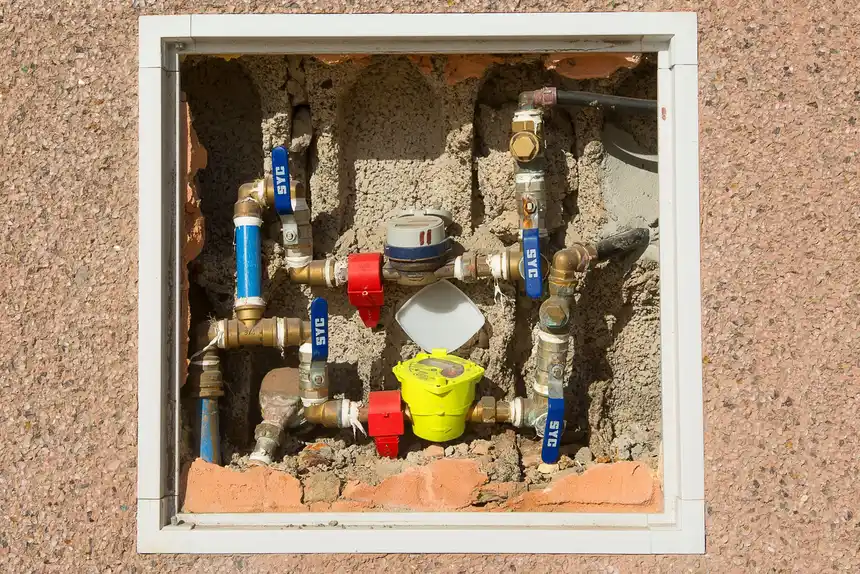
We run a full leak detection inspection: pressure-test the system, scan the slab with thermal imaging, and check moisture levels. We give you a written report with photos so you know whether the repair held or if there is a second leak. You negotiate with facts instead of guesses, and you know what you are buying before you close.
We check the T&P valve, fittings, and tank with moisture meters and pressure testing. If it is a fitting, we repair it. If the tank is failed, we quote replacement and handle it the same day. You avoid paying for a new water heater if a $30 fitting is the real problem, and you get hot water back fast.
We re-test the repair with pressure testing gauges and scan with thermal imaging to see if the original repair failed or if a second leak is nearby. We show you what we find before we quote anything. You get a clear answer and a warrantied repair, not a repeat of the same problem.
We isolate the hot and cold lines, pressurize them, and listen with acoustic equipment. If it is a slab leak, we repair or reroute the line through the attic to avoid breaking the floor. The sound stops, the bill drops, and your slab stays intact.
Santee sits inland from the coast, and the hot, dry summers push water demand up while the clay-heavy soil in older neighborhoods shifts with the seasons. That combination is hard on underground pipe leaks and slab leaks. Homes in Carlton Hills and Carlton Oaks were mostly built in the 1960s and 1970s with copper pipes, and those lines are now pitting from the inside. Newer builds in Sky Ranch and Weston use PEX piping, which fails more often at crimp fittings than in the pipe itself. We adjust our approach based on the neighborhood: copper gets acoustic and pressure testing first, PEX gets a fitting-by-fitting check. If you need affordable pipe leak detection in santee, California, we quote the search and the repair separately so you can see what each part costs. We also work with the San Diego County water district's tiered rates in mind, because a hidden leak can push you into a higher tier fast. When we find and fix the leak, we note the repair on your account so you can request a bill adjustment if the leak was significant.
Mostly 1960s and 1970s slab-on-grade homes with copper pipes. We see pitting failures and slab leaks here more than anywhere else in santee.
Newer construction with PEX piping. Leaks here are usually failed crimp fittings or manifolds, not the pipe itself.
Higher water table and irrigation-heavy landscaping. Underground pipe leaks and irrigation leaks are common, and we use tracer gas to find them.
Larger lots with long underground runs. Water main leaks and irrigation line leaks are the most frequent calls we get here.
Mix of older and newer homes on slab. We use thermal imaging here to separate slab leaks from roof leaks before opening anything.
Hard water scales copper pipes and accelerates pitting, which is why Carlton Hills copper lines fail earlier than the national average. We recommend a pressure test every two years in those homes.
Expansive clay moves underground lines and stresses joints, leading to underground pipe leaks. We use tracer gas and acoustic equipment to find them without digging up the yard.
Summer irrigation runs long and hard, which exposes failing irrigation lines and water main leaks. We see a spike in calls from June through September.
A hidden leak can push you into a higher billing tier within one cycle. Finding it fast matters, which is why we offer same-day pipe leak detection santee appointments.
A Carlton Hills homeowner had a water bill that jumped $90 in one month. The meter spun with every fixture off, but there was no visible water. A handyman had already opened a 3-foot section of drywall in the wrong room and found nothing.
We pressure-tested the system, isolated the hot line, and used an acoustic listening device to find a pinhole in a copper pipe behind the kitchen wall. We opened a 10-inch hole, repaired the pipe with solder, and re-pressurized. The gauge held for 15 minutes. The next bill dropped back to normal.
Maintenance: We recommended a pressure test every two years and a water softener to slow copper pitting. The homeowner added the softener and has not had a second leak.
A Sky Ranch homeowner had a warm spot on the living room floor and a water bill that climbed $120 over two months. A previous plumber recommended jackhammering the slab, which would have meant replacing flooring and moving furniture.
We confirmed a hot-water slab leak with a thermal imaging camera and moisture meters. Instead of breaking the slab, we rerouted the line through the attic with PEX. The job took one day, the floor stayed intact, and the warm spot disappeared within 48 hours.
Maintenance: We checked the moisture level in the slab at 30 days and found it dry. The homeowner monitors the water bill monthly and has had no recurrence.
A Fanita Ranch homeowner had a soggy patch in the yard that never dried, even in summer. The water bill was up $70 and the landscaper had already replaced two sprinkler heads without fixing the problem.
We isolated the irrigation loop with pressure testing gauges and used a tracer gas detector to find a cracked PVC line under the lawn. We repaired the section with PVC cement and a repair clamp, tested it, and backfilled. The soggy patch dried within a week.
Maintenance: We recommended a seasonal irrigation check each spring and a pressure test on the loop every two years. The homeowner now shuts the irrigation off in winter to reduce stress on the line.
Most pipe leaks show up as a high bill, a sound of running water, or a damp spot. Some show up as a warm floor or a crack in the drywall. Here are the problems we solve most often when homeowners call us.
A hidden water leak can waste 10,000 gallons a month and add $60 to $150 to your bill while quietly damaging framing and insulation. We pressure-test the system and use acoustic listening devices and thermal imaging to find the leak behind walls or under the slab. Once located, we repair the line and verify with a second pressure test so the meter stops spinning.
A warm spot usually means a hot-water slab leak. Left alone, it erodes soil under the slab and can crack the foundation within months. We confirm the leak with a thermal imaging camera and moisture meters, then repair or reroute the line. Most slab leaks in santee are fixed in one day without jackhammering the whole floor.
That sound is water escaping a pipe, and it is wasting water around the clock. It can also signal a failing pressure regulator or a leak in the main line. We isolate the supply lines with pressure testing gauges and listen with acoustic equipment to find the exact spot. Then we repair the pipe or replace the failed regulator and test the system before we leave.
An underground pipe leak or irrigation leak can wash out soil, kill plants, and waste hundreds of gallons a day. It can also undermine a driveway or patio. We use tracer gas detectors and acoustic listening devices to find the buried leak without digging up the whole yard. We repair the section, test it, and backfill, leaving the landscaping as intact as possible.
Our technicians carry California Contractor License (C-36 Plumbing) credentials and train on the same acoustic and thermal platforms used by utilities. We have located and repaired thousands of hidden water leaks across San Diego County, from 1950s copper in Carlton Hills to PEX systems in Sky Ranch. We hold IAPMO certification and Backflow Prevention Certification, and we follow OSHA safety compliance on every job. When a leak is under a slab or behind tile, we bring the tools that see and hear through the surface instead of guessing.
Most pipe leak detection in santee runs $180 to $450 for a residential home, and the repair is quoted separately once we know what failed. A simple accessible copper repair adds $150 to $350, while a slab leak repair can run $1,200 to $3,500 depending on access and pipe material. We give you a range on the phone and a firm price before we start.
Start at the water meter: shut every fixture off and watch the leak indicator for 10 minutes. If it moves, you have a hidden water leak. Then check the water heater pan, toilet flanges, and under-sink cabinets. If nothing shows, call us. We use acoustic listening devices and thermal imaging cameras to find leaks behind walls and under slabs without tearing your home apart.
Sometimes, yes. A slab leak can often be rerouted through the attic or repiped with PEX, which avoids cutting concrete. A leak behind drywall usually needs a small access hole, typically under 2 square feet, so we can reach the fitting. We always try the least invasive repair first and show you the options before we open anything.
The most common causes in santee are copper pipe pitting from hard water, failed PEX crimp fittings in newer builds, high water pressure above 80 psi, and soil movement that stresses underground lines. Older homes in Carlton Hills and Carlton Oaks see more copper failures, while newer Sky Ranch homes see fitting failures. A pressure test and moisture meter reading tell us which one you have.
Not seeing your question? Our local team can help you understand urgency, scheduling and what to expect.
Ask the local team
Water leak detection is the broader search that often starts with a high bill or a damp spot. We use the same acoustic and thermal tools to find the source, then narrow it to a specific pipe. If the leak is in a supply line, it becomes a pipe leak detection and repair santee job.
View service
A pool that loses an inch of water a day may have a leak in the plumbing loop, not the shell. We pressure-test pool lines and use electronic leak detection equipment to separate a pool leak from a buried pipe leak before you pay for a resurface you do not need.
View service
Slab leaks are pipe leaks under concrete, and they are the most expensive to ignore. We use acoustic listening devices and thermal imaging cameras to pinpoint the break, then repair or reroute the line. Most slab leak detection jobs in santee are completed in one day.
View service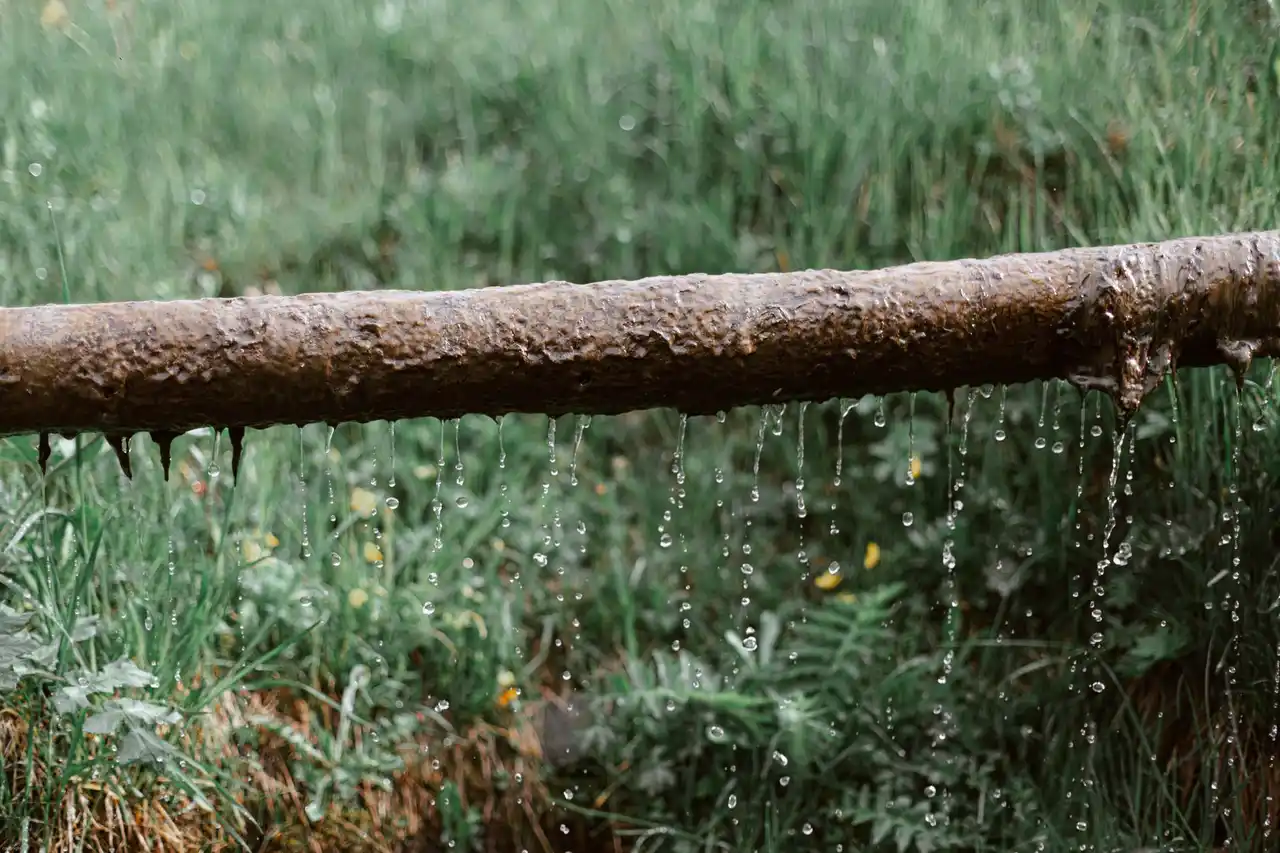
Underground pipe leaks in the yard or under a driveway waste water silently. We use tracer gas detectors and acoustic equipment to find the line without digging up the whole yard, then repair the section and test it before backfilling.
View service
Call us at +16199390817 or email [email protected] and we will get a technician to your door. We answer the phone 24/7 for emergencies and book same-day appointments Monday through Friday. If you are not sure whether you have a leak, call anyway. We will tell you straight.