Focused arrival windows
Useful updates and clear arrival timing.
Leak Detection Services in santee, California start with listening, not guessing. We use acoustic listening devices and thermal imaging cameras to pinpoint hidden water leaks behind walls, under slabs, and in underground lines before we open anything up. Whether you are a homeowner in Carlton Hills or managing a commercial property near Santee Town Center, we test the line, show you the reading, and quote the repair before work begins.
Useful updates and clear arrival timing.
Review the approach and price before deciding.
Equipped vehicles and respectful cleanup.
Neighbors serving neighbors with follow-through.
Every detection visit includes the diagnostic work that tells you where the leak is and whether it is active. Repairs are quoted separately so you can decide after you see the findings. Here is what is covered in a standard visit and what we add when the situation calls for it.
We isolate the domestic water, irrigation, pool, or gas system and connect pressure testing gauges to measure loss. This step confirms the leak is active and tells us which side of the system to search, which saves time and narrows the repair scope.
We walk the line with acoustic listening devices and a FLIR thermal imaging camera, reading the sound and temperature differences a leak creates. For slab leaks we scan the floor in a grid and mark the strongest signal before confirming with a second method.
When water sound is too faint, we introduce a safe tracer gas and use a Sewerin detector to find where it escapes. This is common on underground pipe leaks and on lines buried under concrete or landscaping where acoustic alone is not enough.
We use moisture meters and an infrared thermometer to map how far water has traveled from the source. That tells you whether the drywall, subfloor, or insulation needs drying before it becomes a mold problem, and it gives the repair crew a clear boundary.
You get a written summary with the readings, photos, and a marked location, plus a repair quote if you want us to do the fix. That documentation is useful for insurance claims, home sales, and property management records.
If we do the repair, we restore pressure and retest the line before we leave. You see the gauge hold steady. That final test is how we confirm the leak is fixed rather than just hidden, and it is backed by our workmanship warranty.
Share what is happening and receive a clear next step from the local team.
Leak Detection Services in santee is a diagnostic plumbing service that locates hidden water, gas, and sewer leaks using acoustic listening devices, thermal imaging cameras, pressure testing gauges, and tracer gas detectors. We isolate the system, pressurize it, and read where the loss occurs. That means we can tell you whether the problem is a slab leak under your living room, a pinhole in a copper pipe inside a wall, or a failed fitting on a PEX line in the garage. No exploratory demolition. No guesswork.
Santee sits on clay-heavy soil that shifts with our dry summers and wet winters, and much of the housing stock dates to the 1970s and 1980s. That combination produces slab leaks, underground pipe leaks, and irrigation system leaks at a steady clip. If you have watched your water bill climb or heard water running when every fixture is off, a professional leak detection services santee CA visit will tell you exactly where the loss is. We also handle gas leaks and sewer line leaks that show up as smell or backup rather than a puddle.
You call, describe what you are seeing or hearing, and we ask a few questions: where the water shows up, whether the meter spins with everything off, and whether the smell is water, gas, or sewer. That conversation usually tells us which tools to load. We give you a two-hour arrival window and an upfront diagnostic price before we roll.
On arrival, we shut off fixtures and isolate the domestic water, irrigation, pool, or gas system so the test is clean. We connect pressure testing gauges and watch for pressure loss. This step takes 15 to 30 minutes and tells us whether the leak is on the pressurized side or the drain side before we start listening.
We walk the line with acoustic listening devices and a thermal imaging camera, reading sound and temperature differences that a leak creates. For slab leaks we scan the floor in a grid. For underground pipe leaks we use tracer gas detectors when water sound is too faint. This is the core of the visit and usually runs 45 to 90 minutes.
Once we have a signal, we confirm it with a second method, mark the spot on the floor or wall with tape, and photograph the readings. You see the thermal image or hear the amplified sound yourself. That confirmation step is what separates a real detection from a guess, and it is why we rarely miss.
We write up the findings, quote the repair with parts and labor, and get your approval before we open anything. If you want us to do the fix, we repair the line, restore pressure, and retest to confirm zero loss. Most repairs finish the same day; slab work may run into a second day depending on access.
Amplify the sound of water escaping a pressurized pipe so we can hear the leak through walls, slabs, and soil.
Read temperature differences caused by moisture to scan a large floor or ceiling area quickly and narrow the search.
Find leaks in underground or concealed lines where water sound is too faint for acoustic equipment alone.
Inspect sewer and drain lines from the inside to find cracks, root intrusion, and failed joints.
Measure moisture content in drywall, wood, and concrete to map how far water has traveled from the source.
Confirm the leak is active and measure loss on the domestic water, irrigation, pool, or gas system.
Pair with moisture meters and pressure gauges to confirm a repair held before we leave the property.
We shut off fixtures and isolate the system so the test is clean. Pressure gauges tell us whether the leak is on the supply side or the drain side, which decides the tools we use next.
We never mark a leak on one signal. A thermal image is confirmed with acoustic listening, and an acoustic signal is confirmed with pressure loss or moisture readings. That cross-check is why our marks are usually within a few inches.
For underground pipe leaks and lines under concrete, we introduce a safe tracer gas and read where it escapes with a Sewerin detector. It is the most reliable method when water sound is muffled by soil or slab.
For sewer line leaks and drain leaks, we run a RIDGID camera through the line and record the footage. You see the crack or root intrusion yourself, and the repair quote is based on what the camera found.
After a repair, we restore pressure and retest the line with gauges and moisture meters. You see the gauge hold steady. That final test confirms the leak is fixed, not just covered, and it is backed by our workmanship warranty.

That is an active leak on the pressurized side. We isolate the system, pressure test, and listen with acoustic devices to find the loss. If it is under a slab, we scan with thermal imaging and mark the spot before quoting the repair. Most customers get a same-day detection and a repair quote, so the water can be shut off and the fix scheduled without a week of guessing.
We run a leak detection inspection that tests the supply, drains, and irrigation, then document the readings with photos. The report separates an active plumbing leak from old staining or condensation, which matters for the negotiation. You get a written report you can attach to the disclosure, and a clear repair quote if something is actually leaking.
We bring acoustic equipment and a tracer gas detector, isolate the system after hours, and find the failed fitting inside the wall cavity. We repair it, retest, and document the work for your insurer. The leak is fixed with minimal disruption to tenants, and you have the paperwork for the claim.
We pressure test the pool plumbing and dye test the shell to separate a pool leak from an underground pipe leak. That distinction decides whether you need a shell repair or a line repair. You avoid paying for a resurface you did not need, and the actual leak gets fixed at the source.
Santee's clay-heavy soil and hot, dry summers create a specific leak pattern. The ground shrinks in summer and swells in winter, which puts stress on underground pipe leaks and slab plumbing. Older homes in Carlton Hills and Carlton Oaks often have copper pipes that develop pinhole leaks, while newer builds in Sky Ranch and Weston are more likely to have PEX piping with fitting failures. We adjust our method to the building stock: acoustic listening for copper, pressure testing and thermal imaging for PEX. The city follows California plumbing code, and we pull permits when a repair requires one. If you are searching for 24/7 leak detection services santee CA, we keep emergency slots for active leaks and gas calls. We also serve the 92071 and 92040 ZIP codes and the surrounding San Diego County area, so we know the drive times and can give you a realistic arrival window.
Many homes here date to the 1970s with copper supply lines, so pinhole leaks and slab leaks are common calls.
Irrigation systems and pool plumbing get heavy use here, and we often find zone leaks after the dry season.
Newer construction with PEX piping means we see more fitting failures than pipe wall leaks.
Sloping lots can send water downhill from an underground leak, so we trace the path with moisture meters.
Commercial buildings and mixed-use properties need after-hours detection to avoid disrupting tenants.
The movement stresses underground lines and slab plumbing, which is why we see a spike in slab leaks after a dry summer.
Irrigation systems run more, and zone leaks waste water fast. We isolate each zone and pressure test to find the break.
Copper pipes in 1970s homes develop pinhole leaks. Acoustic listening is the most reliable way to find them without opening walls.
Roof leaks show up at flashing and skylights after rain. We use moisture meters and infrared thermometers to trace the path inside the attic.
A homeowner noticed a warm spot on the hallway floor and a water bill that had climbed by $90 in one month. The meter spun with every fixture off. Two other plumbers had guessed at the location without confirming it.
We pressure tested the system, scanned the floor with a thermal camera, and marked a spot six inches wide. The repair was one small opening, a copper pipe patch, and a retest. The bill returned to normal the next cycle, and the drywall repair was limited to a single patch.
Maintenance: We recommended checking the water meter monthly and watching for warm spots after the summer dry season, when clay soil movement stresses slab plumbing.
A soggy patch in the yard kept coming back even after the irrigation was shut off. The homeowner was ready to dig up the whole line. The water bill was up $140 over two months, and the grass was greener in one strip.
We isolated the main line, used tracer gas to find the break, and marked it within a few inches. The repair was a single dig and a PVC coupling. The yard dried out, and the bill dropped back to normal the following cycle.
Maintenance: We suggested a seasonal irrigation check each spring and a pressure test if the bill jumps again, which catches a line break before it undermines the driveway.
A property manager had a damp wall in a retail unit that three plumbers could not explain. The tenant was complaining about a musty smell, and the drywall was soft near the baseboard. No visible water was found.
We worked after hours, isolated the system, and used acoustic equipment and a tracer gas detector to find a failed fitting inside the wall cavity. We repaired it, retested, and documented the readings with photos. The wall dried, and the tenant stayed open through the repair.
Maintenance: We set up a quarterly moisture check for the property manager and recommended a pressure test on the building's supply line each year to catch fitting failures early.
Most leak calls start with a symptom, not a location. These are the problems we hear most often in santee, and what happens if they are left alone.
A hidden water leak can waste hundreds of gallons a month and quietly damage framing, drywall, and flooring. By the time you see a stain, the repair is often three times the cost of an early detection. We pressure test the system, listen with acoustic devices, and scan with thermal imaging to find the loss. You get a marked location and a repair quote before anything is opened, so the fix targets the actual leak instead of a guessed area.
A slab leak under a concrete floor can erode soil and crack the slab if it runs long enough. The longer it goes, the more likely the repair involves concrete work rather than a simple pipe patch. We scan the floor in a grid with a thermal camera and confirm with acoustic listening. Most slab leaks are marked within a few inches, which lets us open one small section, repair the copper or PEX line, and retest the system the same day.
An irrigation system leak wastes water every time the zone runs and can undermine a driveway or foundation over a season. It also drives up the bill in a way that is easy to miss until the water district sends a notice. We isolate each zone, pressure test the line, and locate the broken head or cracked PVC pipe. The repair is usually a small dig and a fitting swap, and we check the rest of the system while we are there so you are not calling back next month.
A gas leak is a safety issue, not a maintenance item. It needs a fast response, and it needs a technician who follows OSHA safety compliance and retests to code after the repair. We use Sewerin tracer gas detectors and pressure testing to find the leak, then repair and retest. If you smell gas, leave the building and call from outside. We keep emergency slots open for gas calls and will tell you how to shut the meter off while we are on the way.
Our technicians train on the same equipment the utility companies use: RIDGID pipe inspection cameras, Fluke moisture meters, FLIR thermal cameras, and Sewerin tracer gas detectors. We hold a California Contractor License (C-36 Plumbing) and follow OSHA safety compliance on every job, including gas work. We have located leaks in copper pipes, PEX piping, and PVC pipes across San Diego County, from 1950s bungalows to newer builds in Sky Ranch. We also carry Backflow Prevention Certification for properties that need it.
Most residential detections run $180 to $450 in 2026, and a typical visit takes two to four hours. The price depends on how many systems we test, whether the leak is under a slab, and whether we need tracer gas. Repair is quoted separately after we find the leak. You get the diagnostic price upfront, so there is no surprise when we arrive.
We cover water, pool, slab, underground, plumbing, gas, roof, sewer line, water heater, irrigation, foundation, and hidden leak detection, plus acoustic, thermal, and electronic methods. That range means we can test a pressurized line, a drain, a pool shell, or a gas run in one visit. If you are not sure which one you need, call and describe the symptom.
Yes. Hidden water leaks behind walls, under slabs, and in underground lines are exactly what acoustic listening devices, thermal imaging cameras, and tracer gas detectors are built to find. We confirm each signal with a second method and mark the spot within a few inches. In most homes we open one small access point rather than a full wall.
Look for a licensed C-36 plumbing contractor that shows you the readings, quotes the repair before opening anything, and retests after the fix. We do all three, and we carry the equipment brands utilities use, including RIDGID, Fluke, FLIR, and Sewerin. Ask any company you call whether they confirm with a second method. That question separates a real detection from a guess.
Not seeing your question? Our local team can help you understand urgency, scheduling and what to expect.
Ask the local team
Water leak detection is the core of what we do: isolating the domestic supply, pressure testing, and listening for the loss. For santee homes on clay soil, it is the first step before any slab or wall repair is quoted.
View servicePool leaks in santee often show up as a dropping waterline or a wet patch near the equipment pad. We pressure test the plumbing and dye test the shell to separate a pool leak from an underground pipe leak before you pay for a resurface.
View service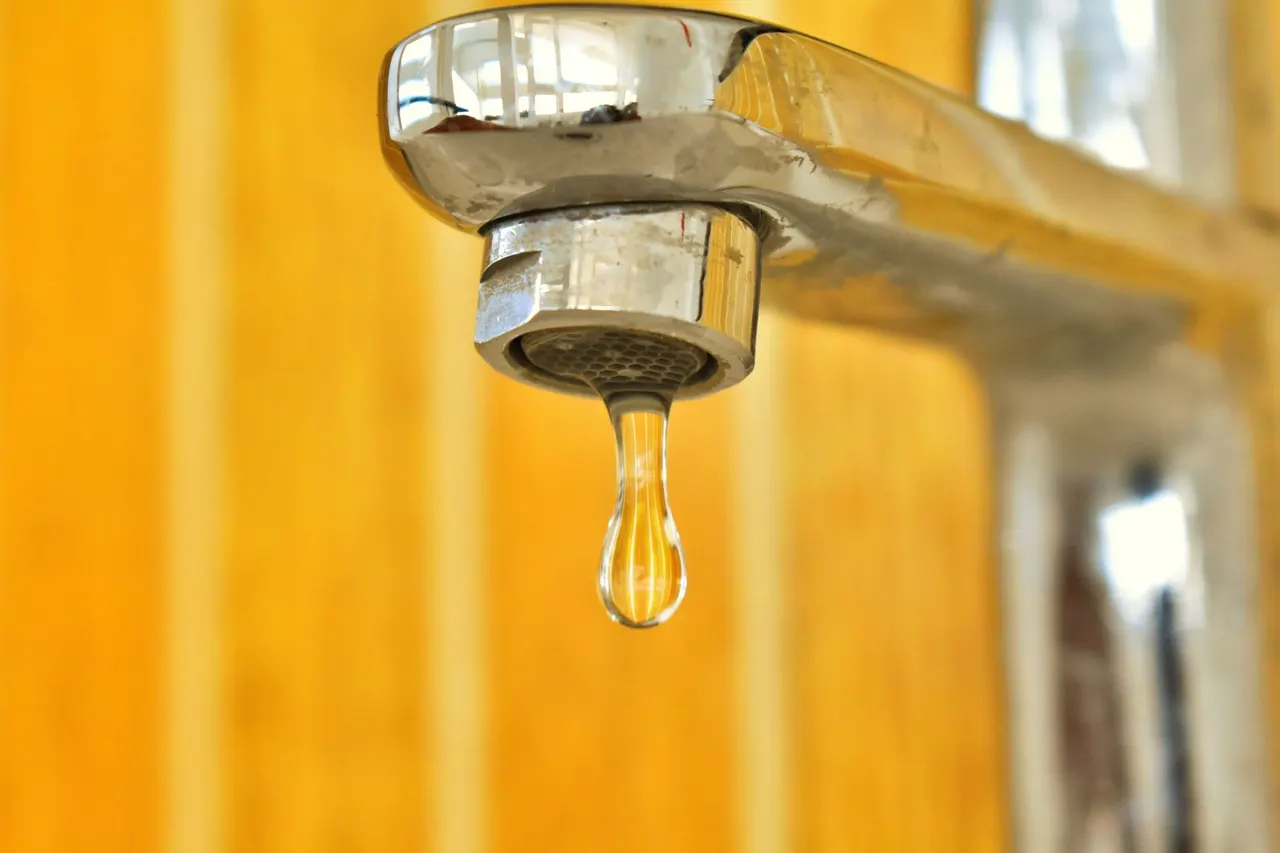
Slab leaks are common in older santee homes with copper pipes under the concrete. We scan the floor with thermal imaging and acoustic devices to mark the spot, so the repair is one small opening instead of a full slab break.
View service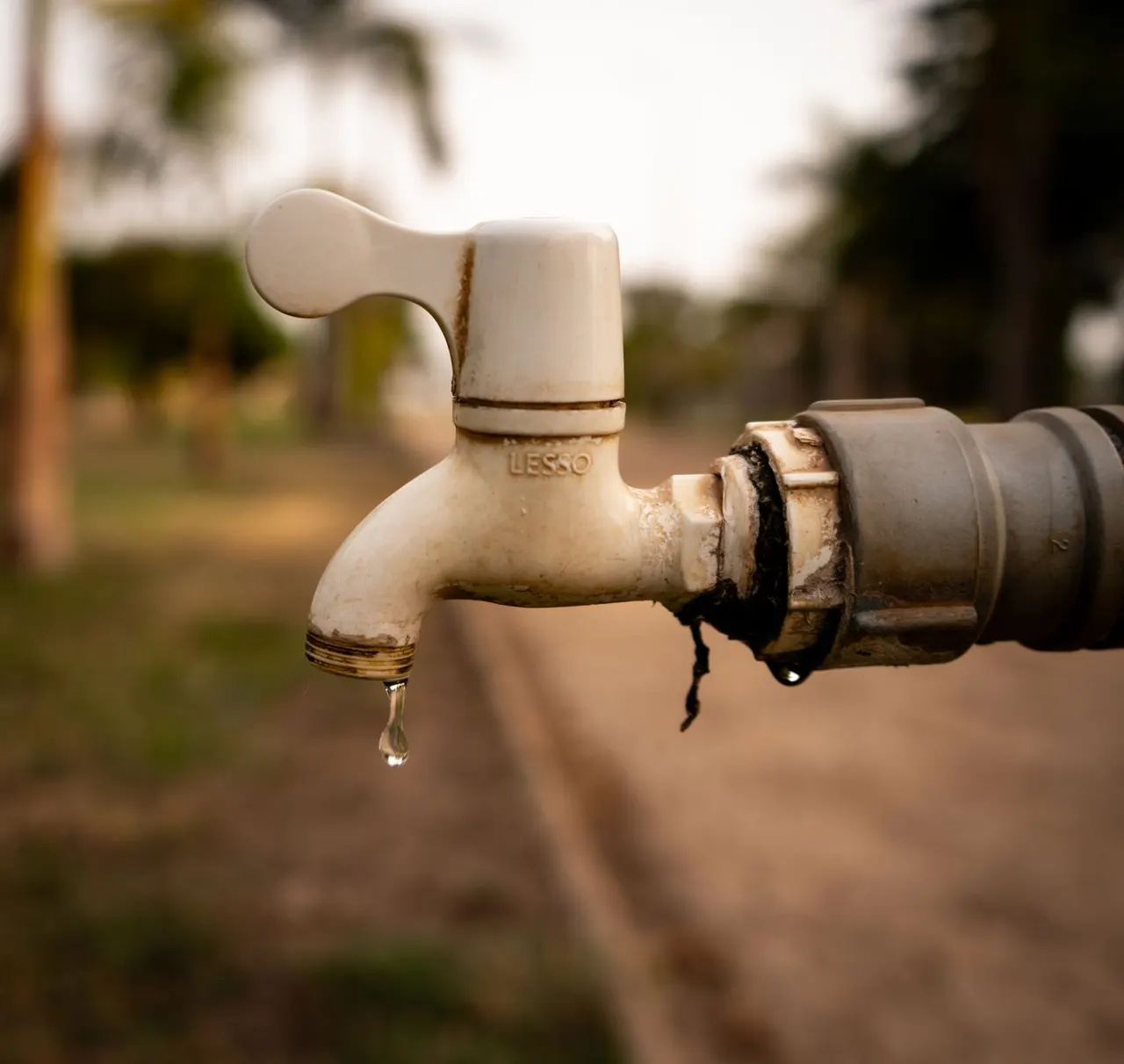
Underground pipe leaks between the meter and the house can waste thousands of gallons before surfacing. We use tracer gas detectors and acoustic listening devices to trace the line and find the break without digging up the whole yard.
View serviceCall us at +16199390817 or email [email protected] and we will get a technician to your door. We answer the phone 24/7 for emergencies and book same-day appointments Monday through Friday. If you are not sure whether you have a leak, call anyway. We will tell you straight.