Focused arrival windows
Useful updates and clear arrival timing.
Leak Detection Inspections in santee pinpoint hidden water, slab, and pool leaks without tearing your home apart. We use acoustic listening devices and thermal imaging cameras to find the source in one visit. If your water bill spiked or you hear water running at 2 a.m., call us. We serve homeowners and businesses across Santee, California.
Useful updates and clear arrival timing.
Review the approach and price before deciding.
Equipped vehicles and respectful cleanup.
Neighbors serving neighbors with follow-through.
Every inspection includes the full diagnostic sweep: isolation, acoustic listening, thermal imaging, and moisture confirmation. Repair is quoted separately so you can decide whether to use us or your own plumber. If we cannot find the leak, the inspection is free. Here is what you get when you book.
We shut off the main and isolate each zone with pressure testing gauges to determine whether the leak is on the supply side, the drain side, or the irrigation loop. This step takes 20 to 30 minutes and tells us exactly where to focus the rest of the inspection.
We walk the property with acoustic listening devices that pick up the sound of water escaping under pressure. Copper pipes under slab transmit sound well, so we can often hear the leak from 6 to 10 feet away. This is how we narrow the location before any demolition.
A FLIR thermal imaging camera shows temperature differences caused by moving water behind walls, under floors, and on ceilings. Wet areas read cooler or warmer than surrounding material. We scan every suspect surface and mark the temperature anomaly on the report.
We confirm the wet zone with a Fluke moisture meter. Readings above 16 percent in framing material indicate active moisture that needs drying and treatment. This step separates a real leak from condensation or a one-time spill.
You get a written summary with the leak type, marked location, photos, and recommended repair. The report is formatted for insurance claims and utility rebate documentation. Hand it to any plumber or your adjuster and they have what they need.
Share what is happening and receive a clear next step from the local team.
A leak detection inspection is a systematic search for water escaping from pipes, fixtures, or the building envelope. We start by isolating your water system, then pressurize each zone with pressure testing gauges to see where it bleeds off. From there, acoustic listening devices pick up the hiss of water through drywall or slab, and a thermal imaging camera shows temperature differences that reveal moisture behind walls. We confirm with a moisture meter before we ever recommend a repair. Most inspections take two to four hours depending on the size of the property.
Santee sits on a mix of clay soil and decomposed granite, and that ground moves with our dry summers and winter rains. That movement stresses copper pipes and PVC joints, especially in homes built from the 1960s through the 1990s. We see slab leaks in Carlton Hills, irrigation system leaks in West Hills, and pool leaks near Santee Lakes. If you need leak detection inspections santee CA near me, we cover the whole city and the surrounding San Diego County area.

You call, we ask three questions: where is the water showing up, when did it start, and has the bill changed. That tells us whether to bring slab gear or pool gear. We book a same-day or next-morning window and text you the technician's name.
On arrival we shut off the main and isolate zones using pressure testing gauges. If the meter still spins with everything off, the leak is on the supply side. If it stops, we move to drains, irrigation, or the pool. This step takes 20 to 30 minutes and tells us exactly where to focus.
We walk the property with acoustic listening devices and a thermal imaging camera. Copper pipes under slab transmit sound well, so we can often hear the leak from 6 to 10 feet away. Thermal imaging shows the temperature signature of moving water behind walls or under flooring.
A moisture meter confirms the wet zone, and a video pipe inspection system checks drains if needed. We mark the leak location on the floor or wall with tape and take photos. You get a written summary with the leak type, location, and recommended repair.
If you want us to handle the fix, we quote leak detection inspection and repair santee in the same visit. If you use your own plumber, we hand off the marked location and photos. Either way, you are not paying for guesswork or exploratory demolition.
Pick up the sound of water escaping under pressure through slab, drywall, and soil. We can often hear a leak from 6 to 10 feet away.
Show temperature differences caused by moving water behind walls, under floors, and on ceilings. Wet areas read cooler or warmer than surrounding material.
Confirm active moisture in framing, drywall, and flooring. Readings above 16 percent indicate a leak that needs drying and treatment.
Isolate each zone of the plumbing system to determine whether the leak is on the supply side, drain side, or irrigation loop.
Run a camera through drain and sewer lines to find cracks, root intrusion, and joint separation. We use RIDGID and General Pipe Cleaners cameras.
Find gas leaks at fittings, valves, and appliance connections. We pair this with ultrasonic leak detectors for confirmation.
Send a signal along underground pipes and read where it escapes to ground. Works well on water main leaks and lines behind finished walls.
We shut off the main and pressurize each zone separately with pressure testing gauges. If the gauge holds, that zone is not leaking. If it drops, we have found the leaking zone. This method narrows the search from the whole house to one line in under 30 minutes.
We use acoustic listening devices to hear the leak and compare signal strength from multiple points. The loudest reading is closest to the break. On copper pipes under slab, this method pinpoints the leak within 12 to 18 inches without any demolition.
A FLIR thermal imaging camera shows the temperature signature of moving water. We scan walls, floors, and ceilings and mark any anomaly. This method finds concealed leaks and hidden water leaks that have not yet reached the surface.
We add leak detection dye to pool water, toilet tanks, or fixture traps and watch for color migration. This method confirms a leak in a specific component, like a flapper or a pool return line, without guesswork.
We follow EPA WaterSense guidelines for water-loss documentation. That means we record meter readings, calculate daily loss, and format the report for insurance claims and utility rebate programs. It is the same standard utilities use.
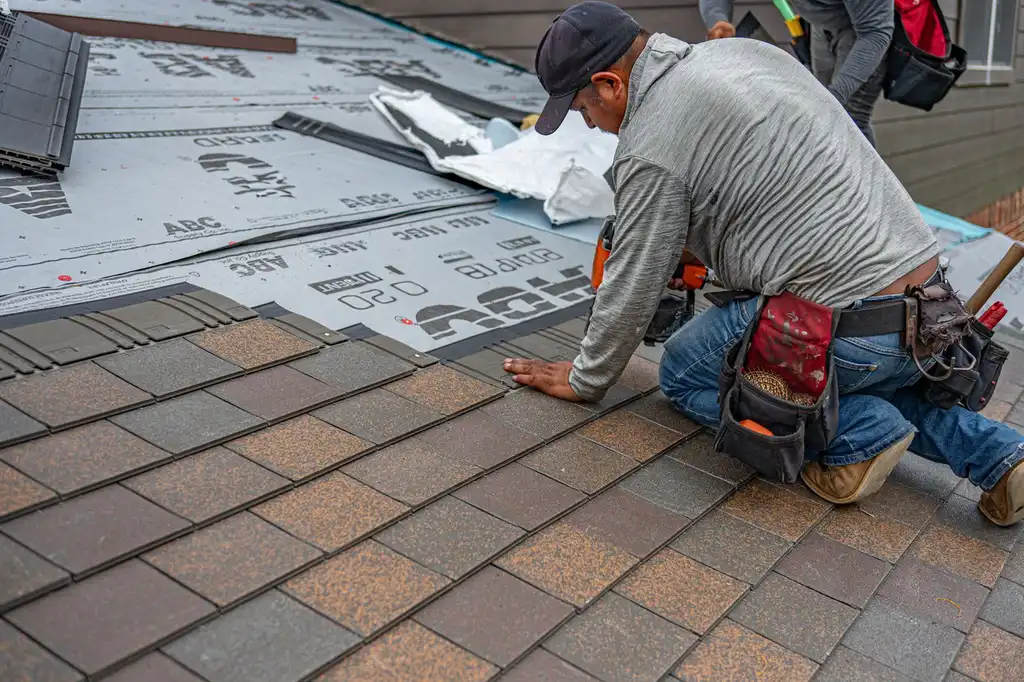
We run a full system isolation with pressure testing gauges and an acoustic sweep. Most bill-spike leaks are on the supply side or in irrigation. We find the source and mark it in one visit. You get a marked leak location and a repair quote. Most customers see their bill return to normal within one billing cycle after the fix.
We perform a pre-purchase leak inspection with thermal imaging and moisture meters. We document findings in a written report you can use in negotiations. We check supply lines, drains, and irrigation. You know exactly what you are buying. If there is a leak, you have documentation to negotiate the repair cost into the deal.
We use leak detection dye and pressure testing on the pool plumbing loop. We separate a shell leak from a line leak and mark the location. Most pool leaks we find are in the return line or skimmer. You avoid a $4,000 resurface if the leak is in the plumbing. The repair is usually a dig-and-patch job that takes one day.
We use tracer gas detectors and ultrasonic leak detectors to find leaks at fittings, valves, and appliance connections. If you smell gas, leave the building and call us from outside. We respond same-day. You get a confirmed leak location and a repair plan. If the leak is at a fitting, the fix is often a reseal and pressure test.
We inspect after hours to avoid disrupting tenants. We use thermal imaging and moisture meters to find the concealed leak and document everything with photos for the owner and insurance. You get a written report that insurance accepts without a fight. The repair is scoped to one small area instead of a full wall replacement.
Santee's climate drives the leak calls we get. Our summers are hot and dry, which shrinks clay soil and pulls on buried pipes. Then winter rains saturate the same soil and add load. That cycle stresses copper pipes and PVC joints, especially in homes built from the 1960s through the 1990s. We see slab leaks in Carlton Hills, irrigation leaks in West Hills, and pool leaks near Santee Lakes. Water pressure in Santee runs 60 to 80 psi in most neighborhoods, which is on the high side and accelerates wear on older fittings. If you need affordable leak detection inspections in santee, California, we keep the inspection flat-rate so you are not paying by the hour while we search. We also handle leak detection inspections and repair santee CA for customers who want one company from diagnosis to fix. Most homes we inspect are on slab-on-grade construction, so acoustic listening is our primary tool. We confirm with thermal imaging and moisture meters before we mark anything.
Many homes here were built in the 1960s and 1970s with copper pipes under slab. We see more slab leaks here than anywhere else in Santee.
Pool leaks are common in this neighborhood. We use leak detection dye and pressure testing to separate shell leaks from plumbing line leaks.
Larger lots mean more irrigation lines. We isolate each zone with pressure testing gauges and walk the lines with acoustic listening devices.
A mix of condos and commercial buildings. We inspect after hours for property managers so tenants are not disrupted.
Older housing stock with original galvanized and copper lines. We check for pinhole leaks and joint failures during every inspection.
The movement stresses buried pipes and slab penetrations. We see more underground pipe leaks and slab leaks after a dry summer followed by heavy rain.
Higher pressure accelerates wear on copper pipes and fittings. We check static pressure during every inspection and flag anything above 80 psi for a pressure regulator.
Leaks under slab are hidden and require acoustic listening and thermal imaging to locate. We mark the spot within 12 to 18 inches to keep the repair small.
Thermal cycling opens joints and fittings. We see a spike in water heater leaks and irrigation leaks in spring as systems come back online.
A homeowner in Carlton Hills noticed a warm spot on the hallway floor and a water bill that jumped from $120 to $310. Two plumbers recommended breaking up the slab in two rooms to find the leak. The homeowner called us for a second opinion before authorizing demolition.
We found the leak in a hot-water copper line under the hallway in 90 minutes using acoustic listening and thermal imaging. We marked the spot within 14 inches. The repair required one 18-inch access panel. The bill returned to $115 the next cycle.
Maintenance: We recommended a pressure regulator set to 60 psi to reduce stress on the remaining copper lines. The homeowner also booked a follow-up inspection in two years to check the rest of the slab.
A pool owner near Santee Lakes was losing about two inches of water a week and adding water every three days. A pool company quoted $4,200 to resurface the shell, assuming a crack. The owner wanted a second opinion before spending that kind of money.
We used leak detection dye and pressure testing on the plumbing loop. The leak was in the return line, not the shell. We marked the dig spot. The pool company repaired the line for $680. Water loss stopped immediately.
Maintenance: We recommended checking the pump basket and skimmer weekly for debris that can stress fittings. An annual pressure test in spring catches line leaks before summer swim season.
A property manager at Santee Town Center had a tenant complaining about a musty smell and soft drywall in a retail suite. No visible water. Two general contractors could not find the source and suggested replacing the whole wall.
We inspected after hours with thermal imaging and moisture meters. The leak was a concealed pinhole in a copper supply line behind the back wall. We marked it and documented everything with photos. The repair was a 2-foot section of drywall, not the whole wall.
Maintenance: We recommended an annual inspection for the building's supply lines and a pressure check on all fixtures. The property manager now books us for all six units every spring.
Most leak calls start with a symptom, not a visible puddle. These are the problems we hear about most from Santee homeowners and property managers.
A hidden water leak can waste 200 to 1,000 gallons a day, adding $80 to $300 a month to your bill and eroding soil under your foundation. We isolate the system with pressure testing gauges and listen for the leak with acoustic devices. Most hidden leaks are found in under two hours. We mark the location and give you a repair plan the same day.
A warm spot on a slab floor usually means a hot-water line is leaking underneath. Left alone, it erodes soil and can crack the slab within a few months. We use thermal imaging cameras to confirm the temperature signature and acoustic listening to pinpoint the break. We mark the spot within 12 to 18 inches so the repair crew opens one small section, not the whole floor.
Musty odors usually mean mold is already growing behind drywall or under flooring. Mold can colonize in 24 to 48 hours and remediation costs climb fast. We scan the room with thermal imaging and check framing with a moisture meter. If we find active moisture, we map the wet zone so you can dry it out and treat it before mold spreads. We also identify the water source.
A pool leak wastes thousands of gallons and throws off your chemistry, which can damage the pump and filter over time. We use leak detection dye and pressure testing on the plumbing loop to separate a shell leak from a line leak. Most pool leaks we find are in the return line or skimmer. We mark the dig spot for repair.
An irrigation system leak can waste 500 to 1,500 gallons a week and create a mosquito breeding ground in Santee's clay soil. We isolate each zone with pressure testing gauges and walk the lines with acoustic listening devices. A broken riser or lateral line is usually the culprit. We mark it and quote the repair.
Our technicians hold California Contractor License (C-36 Plumbing) credentials and carry IAPMO certification for pipe inspection work. We train on RIDGID and General Pipe Cleaners camera systems, Fluke moisture meters, and FLIR thermal cameras. Every inspection follows EPA WaterSense guidelines for water-loss documentation, which matters if you file an insurance claim. We work on copper pipes, PEX piping, and PVC pipes daily, and we know how each fails in Santee's soil. When we mark a leak, we are right.
Most residential inspections run $180 to $450 in 2026, depending on property size and whether we are checking a slab, a pool, or irrigation. Commercial properties and multi-unit buildings range from $450 to $900. If we cannot locate the leak, the inspection is free. We quote the flat rate before we start, so there are no surprise line items.
Every inspection includes system isolation with pressure testing gauges, an acoustic sweep with listening devices, thermal imaging of suspect walls and floors, and moisture meter confirmation. You get a marked leak location, photos, and a written summary. If you want a video pipe inspection system run on drains, we add that for a flat fee. Repair is quoted separately.
For most Santee homes, every two to three years is enough, or any time your water bill jumps more than 15 percent with no change in usage. Homes built before 1990 with copper pipes under slab benefit from an inspection every two years. If you own a pool or a large irrigation system, annual checks in spring catch leaks before summer watering season.
Yes. Acoustic listening devices and thermal imaging cameras find leaks behind drywall, under slab, inside walls, and underground without demolition. We routinely locate slab leaks, hidden water leaks, and underground pipe leaks that other plumbers missed. The equipment reads sound and temperature signatures that human eyes and hands cannot detect. That is the whole point of the inspection.
Not seeing your question? Our local team can help you understand urgency, scheduling and what to expect.
Ask the local team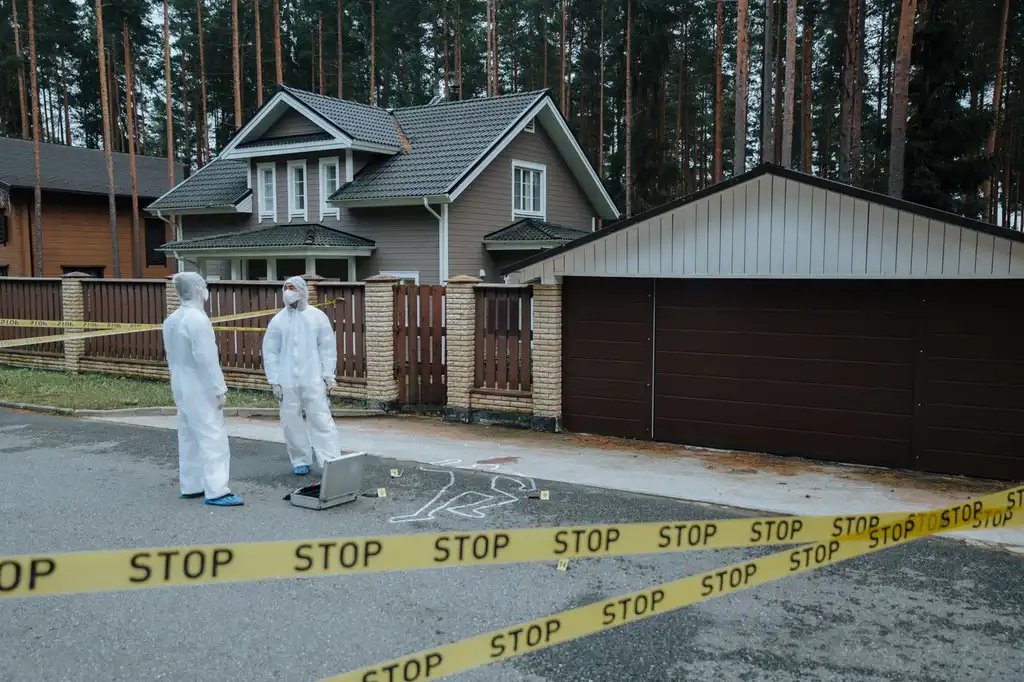
Water leak detection is the core of every inspection we run. We isolate supply lines with pressure testing gauges and listen for the leak with acoustic devices. If your meter spins with everything off, this is the service you need in Santee.
View service
Pool leaks near Santee Lakes and in Carlton Oaks lose 1 to 2 inches of water a week. We use leak detection dye and pressure testing on the plumbing loop to separate a shell leak from a line leak. Most pool leaks we find are in the return line or skimmer.
View service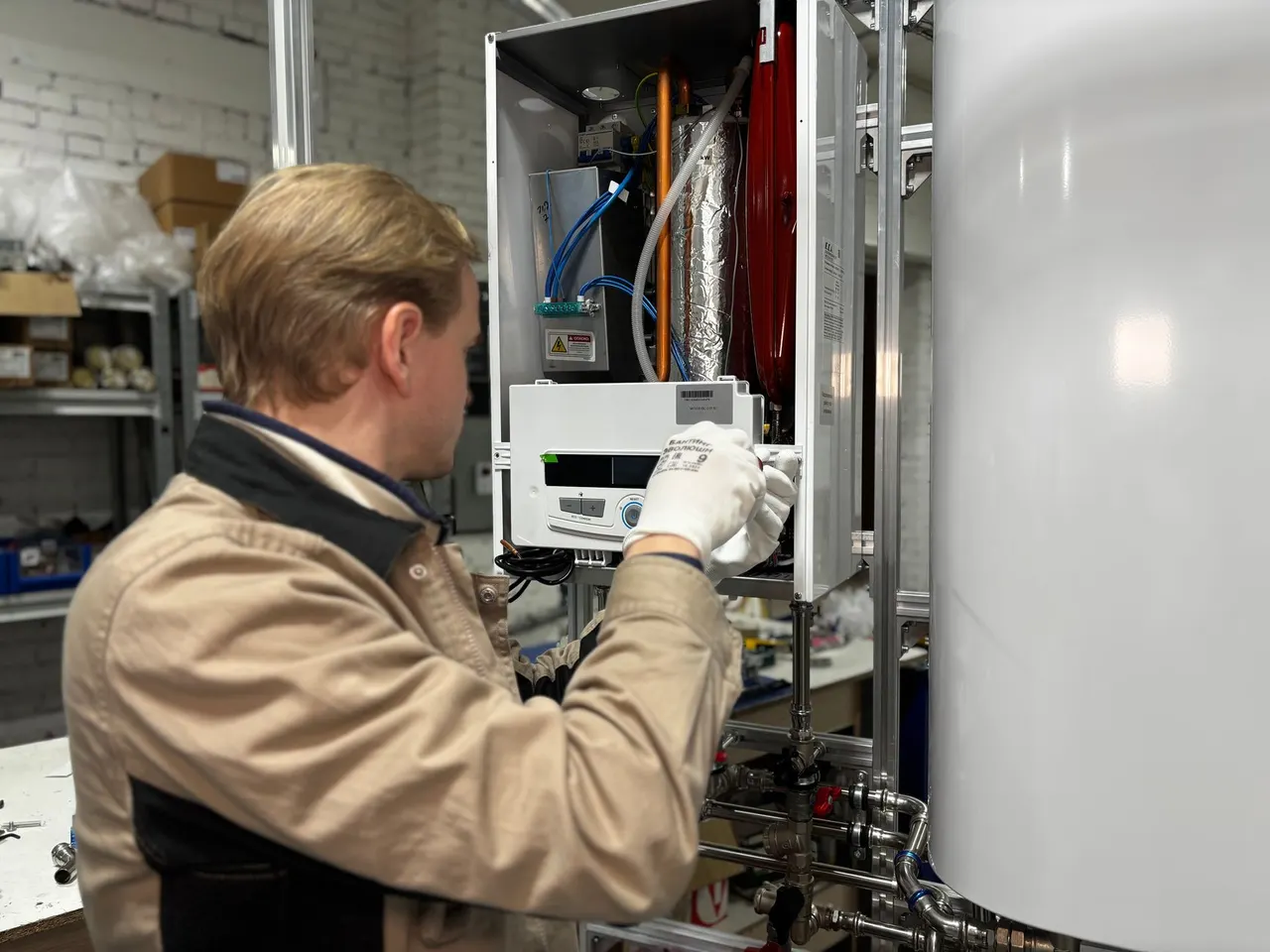
Slab leaks are common in Santee's older tracts where copper pipes sit in direct contact with clay soil. We use acoustic listening devices and thermal imaging cameras to pinpoint the break within 12 to 18 inches. That keeps the jackhammer work small and the repair bill lower.
View service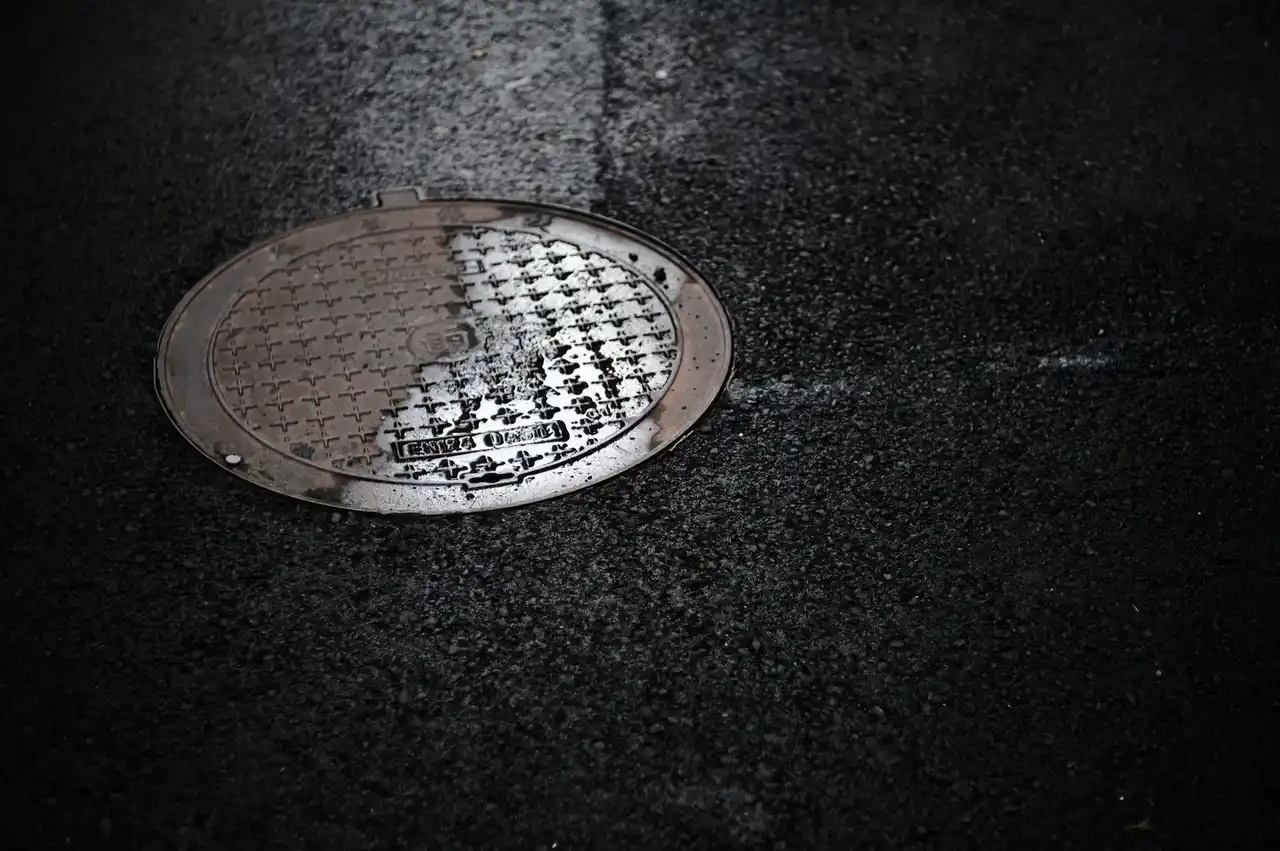
Underground pipe leaks between the meter and the house waste hundreds of gallons a day. We trace the line with electronic leak detection equipment and confirm the break with acoustic listening. You get a marked dig location so the repair crew opens one hole, not five.
View service
Call us at +16199390817 or email [email protected] and we will get a technician to your door. We answer the phone 24/7 for emergencies and book same-day appointments Monday through Friday. If you are not sure whether you have a leak, call anyway. We will tell you straight.