Focused arrival windows
Useful updates and clear arrival timing.
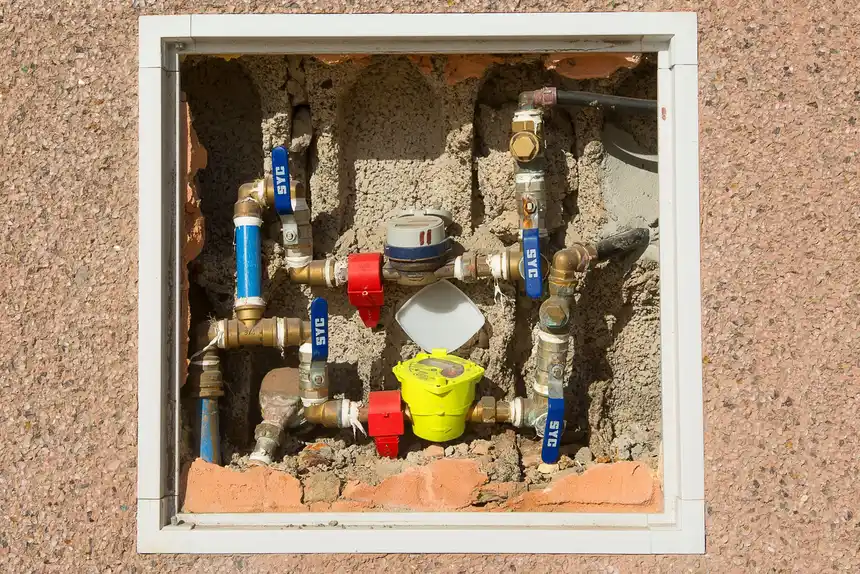
Irrigation System Leak Detection in santee starts with a pressure test and a listening pass over every zone, so we pinpoint the break before a shovel touches your lawn. We handle residential and commercial systems across San Diego County, from Carlton Hills ranch lots to Santee Town Center commercial strips. If your water bill jumped and the yard is soggy, call and we will find it.
Useful updates and clear arrival timing.
Review the approach and price before deciding.
Equipped vehicles and respectful cleanup.
Neighbors serving neighbors with follow-through.
Every detection visit covers the full diagnostic pass and a written summary. Repair parts and excavation are quoted separately once we know what we are dealing with, so you are never paying for work you do not need.
We isolate and pressure-test every irrigation zone with a calibrated gauge. You get a zone-by-zone reading and a clear answer on which run is losing water.
We walk the suspect run with a ground microphone and confirm with a FLIR thermal camera. The break is marked within 12 to 18 inches before any digging.
We inspect valve boxes, solenoids, and the controller schedule for signs of failure or overwatering. A stuck valve can waste as much water as a broken pipe.
You receive a hand-marked diagram showing the repaired line, valve locations, and any heads that need attention. It is useful for future maintenance and for a home sale.
After the repair, we re-pressurize the zone and hold it for 10 minutes. You see the gauge hold steady before we pack up the tools.
Once the break is located, we quote the repair with parts and labor in one number. PVC, PEX, and clamp repairs are priced before we open the ground.
Share what is happening and receive a clear next step from the local team.
Irrigation System Leak Detection in santee is a diagnostic service that isolates a broken sprinkler line, valve, or fitting using pressure testing gauges, acoustic listening devices, and tracer gas detectors before any excavation begins. We isolate each zone, charge the line, and watch the gauge for pressure drop. Then we walk the run with a ground microphone and mark the loudest point. Most residential systems have four to eight zones, and a single failed valve or cracked PVC joint can waste 15 to 30 gallons a day without a visible puddle.
Santee sits on clay-heavy soil that swells in winter and cracks by August, and that movement shears sprinkler laterals and valve manifolds year after year. We see the same failure pattern in older Carlton Hills and Carlton Oaks yards: original PVC laterals, sun-baked risers, and a controller still running the same schedule from 2005. If you have been searching for irrigation system leak detection near me santee, our technicians run a full zone-by-zone audit and hand you a marked diagram of every fault we find.

We shut off the main, isolate each irrigation zone, and charge it with a pressure testing gauge. A zone that will not hold steady pressure has a leak. This step takes 20 to 30 minutes on a typical four-zone system and tells us exactly which run to chase.
We walk the suspect run with an acoustic listening device and a Fluke infrared thermometer, then confirm with a FLIR thermal imaging camera where soil temperature reads cooler than the surrounding ground. Wet soil holds temperature differently, and that contrast shows up fast on the screen.
Once we have a signal, we mark the spot with flagging and confirm depth with a probe. If the line is under concrete or root-bound, we bring in a Sewerin tracer gas detector to verify the path before we cut. You see the mark before we dig.
We excavate a small access hole, cut out the failed section, and rebuild it with PVC pipe, primer, and solvent cement or a pipe repair clamp when the surrounding pipe is sound. Then we re-pressurize the zone and hold it for 10 minutes to confirm the repair.
Before we leave, we run every zone with you watching, check head coverage, and hand you a marked diagram of the repaired line. If we found a valve or controller issue, we note it so you can decide on the next step. No surprise add-ons.
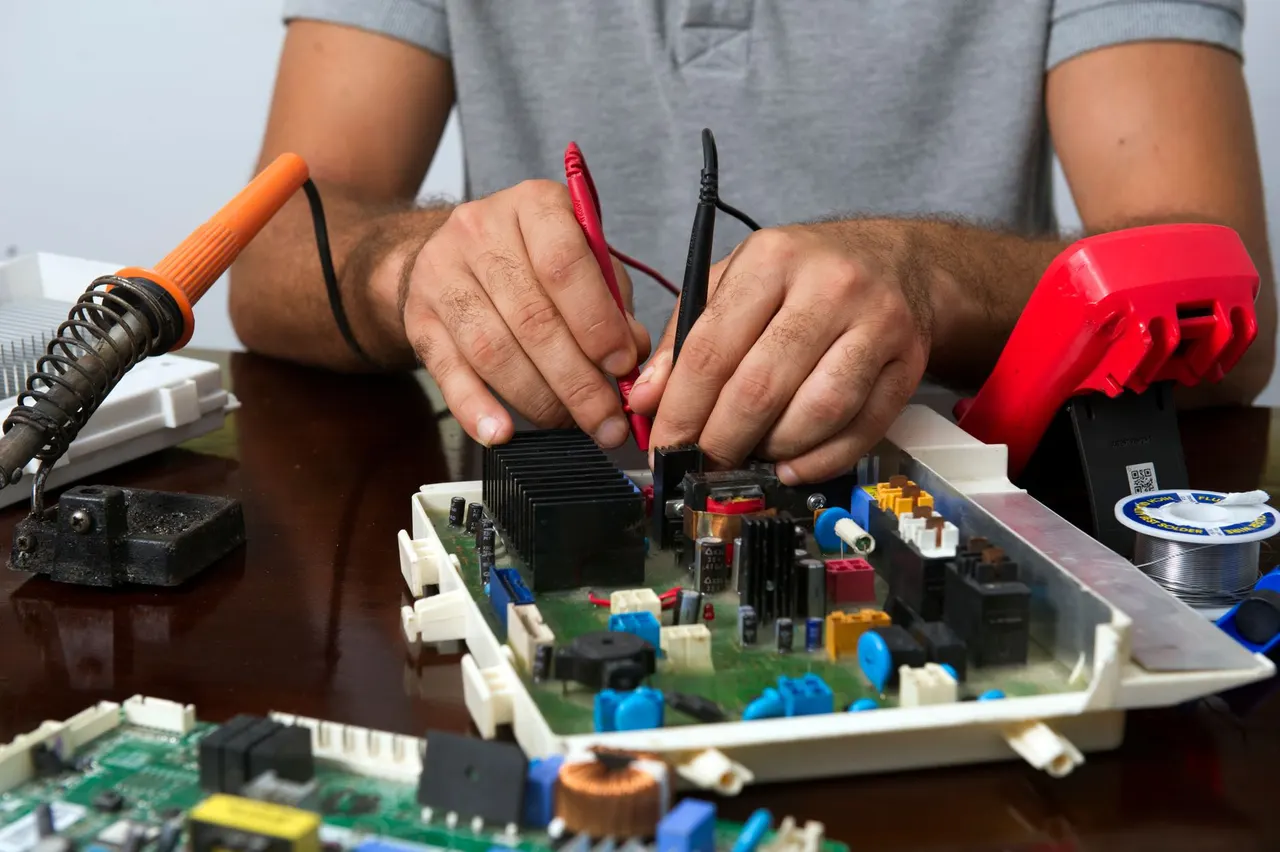
Ground microphones pick up the hiss of pressurized water escaping a buried line. This is the primary tool for marking a break within 12 to 18 inches.
Wet soil reads cooler than dry soil on the screen. We use thermal imaging to confirm an acoustic hit and scan long runs quickly.
Calibrated gauges isolate a zone and show pressure drop. A zone that will not hold steady pressure has a leak, and the gauge tells us which run to chase.
When a line runs under concrete or is root-bound, tracer gas confirms the pipe path and the break location before we cut.
We camera valve boxes and long lateral runs to see cracked fittings and root intrusion that a listening pass cannot resolve.
A quick surface temperature check helps us spot wet soil and confirm where the thermal camera should focus.
Long lateral runs and drain lines need a reel that can push a camera or a locator through without kinking.
We shut the main, isolate each zone, and charge it with a gauge. A zone that drops pressure has a leak. This narrows the search to one run before we walk the yard.
Two sensors placed on the line pick up the leak sound at different times. The correlator calculates the distance between them and the break, which is more accurate than listening alone on long runs.
We scan the suspect area with a FLIR camera and look for the cool patch that indicates wet soil. This confirms the acoustic hit and keeps the excavation small.
For lines under concrete or dense roots, we introduce a safe tracer gas and read it at the surface with a Sewerin detector. It confirms the pipe path and the break point.
We measure static and operating pressure at the heads and compare it to the system design. A failed regulator can push 90 psi through a system rated for 50, which causes repeat failures.
We start at the meter, shut off the irrigation main, and watch the leak indicator. If it stops, the loss is on the irrigation side. Then we pressure-test each zone and mark the break. You get a confirmed source, a repair quote, and a fixed line, usually in one visit. The next bill tells the story.
We isolate the zone covering that turf, confirm the break with a thermal camera, and repair the failed lateral or head fitting. We also check the controller schedule for run times that are too long. The wet patch dries out, the turf recovers, and the zone holds pressure at the correct operating range.
We pressure-test the mainline and each zone, check the backflow assembly, and look for a break that is bleeding pressure. A failed pressure regulator or a buried break are the two most common causes. We repair the source and verify operating pressure at the heads, so coverage returns to normal.
We run a full inspection: every zone pressure-tested, valves and controller checked, and a written summary with photos and a marked zone map. We flag any active leak and quote the repair. You go into closing knowing the condition of the system and can negotiate with real numbers.
Santee's climate does the damage slowly and then all at once. Winters bring enough rain to saturate clay soil, and summers bake the same ground until it cracks. That cycle shears PVC laterals at fittings and cracks sun-exposed risers. We see it in older Carlton Hills and Carlton Oaks yards with original 1990s pipe, and we see it in newer Sky Ranch and Weston systems where pressure regulators were never adjusted. Our professional irrigation system leak detection santee CA crews test static pressure at the backflow assembly first, because a system running above 70 psi will keep breaking no matter how many times it is repaired. If you need irrigation system leak detection in west hills santee CA, we cover that neighborhood on the same schedule as the rest of the city. We also check the controller schedule against EPA WaterSense guidance, since a system set to run 20 minutes per zone in January is overwatering and masking a leak.
Many homes here have original PVC laterals from the 1980s and 1990s. Soil movement at fittings is the most common failure point we find.
Larger lots mean longer lateral runs and more heads per zone. Pressure loss at the far end of a run is a common complaint we diagnose.
Commercial strips and multi-family properties with booster pumps and shared valve cabinets need zone documentation and after-hours scheduling.
Newer systems with PEX and drip zones. We check pressure regulators and drip emitters for clogs that mimic a leak.
Sloped yards push water downhill, so a break at the top of a run can surface far from the actual leak. Acoustic correlation helps here.
Expansion and contraction shears PVC laterals at fittings. We see a spike in breaks after the first heavy winter rain and again in late summer.
Sun-exposed risers and valve boxes degrade faster. We check riser condition on every call and replace brittle ones during the repair.
High pressure accelerates failures at joints and valves. We measure it at the backflow assembly and recommend a regulator when it is out of range.
Roots find moisture and grow into lateral joints. We use pipe inspection cameras and tracer gas when roots are suspect.
A homeowner on a quarter-acre lot had a water bill $80 higher than the same month last year and a spongy strip along the driveway. Two other companies quoted a full lateral replacement without testing the zones.
We pressure-tested six zones, found zone four dropping from 55 psi to 20 in two minutes, and marked the break within 14 inches using acoustic correlation. One small excavation, one PVC coupling, and the zone held 55 psi for 10 minutes.
Maintenance: We recommended a pressure regulator check and a controller schedule review. The homeowner now runs zone four for 12 minutes instead of 20, and the wet strip is gone.
A property manager had a valve box that stayed full of water and a booster pump cycling every few minutes. The landscape crew had already replaced two heads with no change.
We isolated the zone, found a cracked valve body and a failed solenoid, and replaced both. The pump stopped short-cycling, and the zone pressure held at 60 psi. The repair was done after business hours in one visit.
Maintenance: We left a marked zone diagram and a valve location list for the maintenance file. Quarterly valve checks are now on the property schedule.
Water was surfacing at the bottom of a sloped yard in West Hills, and the homeowner assumed the break was at the bottom. A thermal scan showed the wet soil started 30 feet uphill under a planter.
We used tracer gas to confirm the line path under the planter, excavated one 16-inch access hole, and repaired a cracked fitting. The zone held pressure, and the water at the bottom of the slope stopped within a day.
Maintenance: We checked head coverage on the slope and adjusted two heads that were overspraying the planter. The homeowner now watches the meter monthly for early signs.
Most irrigation leaks show up as a higher bill, a soggy patch, or a zone that will not hold pressure. Here are the four we see most often in Santee, and how we handle each one.
A buried lateral can leak 200 gallons a day into the soil without surfacing. Left for a month, that is roughly 6,000 gallons and a bill bump of $40 to $90. We pressure-test each zone and use acoustic listening devices to find the buried break. Once marked, we excavate a small access hole, repair the line with PVC or a pipe repair clamp, and re-test the zone before we leave.
Constant moisture drowns turf roots and creates a muddy zone that spreads with foot traffic. It also softens soil near patios and walkways, which can lead to settlement cracks. We isolate the zone feeding that area, confirm the break with a thermal imaging camera, and repair the failed fitting or pipe section. Then we check head spacing and pressure so the turf gets even coverage instead of a puddle.
A failed solenoid or a cracked valve body can bleed water continuously, even when the controller is off. That is water loss 24 hours a day and a valve box that stays full. We open the valve box, test the solenoid, and check the diaphragm and body for cracks. If the valve is the source, we replace it and pressure-test the zone. If the line is also damaged, we quote both repairs together.
A break near the meter or mainline can send water onto public pavement, which draws a city notice and wastes hundreds of gallons a day. It can also undermine the parkway soil. We shut the system down, isolate the mainline from the zones, and use tracer gas or acoustic correlation to find the break. We repair the line and verify the meter stops moving with the system off.
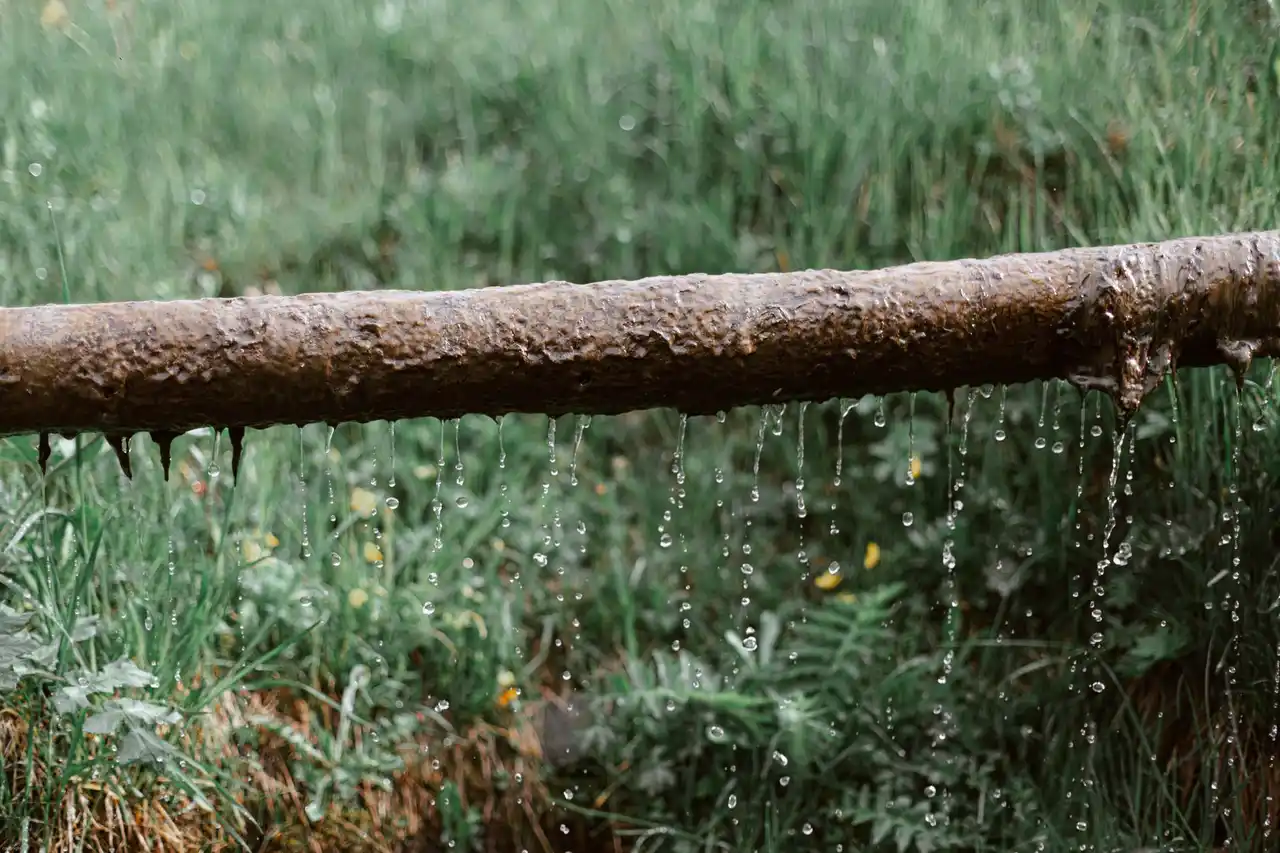
Our technicians work irrigation systems every week across San Diego County, from residential drip lines to commercial controller cabinets. We hold a California Contractor License (C-36 Plumbing) and carry IAPMO certification on our backflow testing. Our tool kit includes RIDGID pipe inspection cameras, Gutermann acoustic correlators, and General Pipe Cleaners reels for long lateral runs. We follow EPA WaterSense guidance on system pressure and scheduling, and every job is run under OSHA safety compliance for trenching and confined spaces. When we say we found the leak, we can show you the gauge reading and the thermal image that proves it.
Most residential detection calls in Santee run $180 to $350 in 2026, and a straightforward repair adds $120 to $400 depending on pipe size and access. Commercial systems with more than eight zones or long mainline runs price higher. We quote the detection fee before we arrive, so you are not guessing.
Start at the meter: shut every fixture off and watch the leak indicator. If it spins, water is moving somewhere. Then run each zone for two minutes and look for a zone that will not build pressure or leaves a soggy patch. If you cannot narrow it, call us. Our acoustic and thermal tools find what a visual walk cannot.
Sometimes, yes. A failed valve, a cracked riser, or a leaking head can often be fixed from the surface with no excavation. A break in a buried lateral almost always needs a small access hole, usually 12 to 18 inches wide. We tell you which one you have before we quote the repair.
The top three causes here are soil movement, UV damage, and pressure spikes. Santee's clay soil expands and contracts with the wet and dry seasons, which shears PVC laterals at fittings. Sun-baked risers crack, and a failed pressure regulator can push 90 psi through a system rated for 50. We check all three on every call.
Not seeing your question? Our local team can help you understand urgency, scheduling and what to expect.
Ask the local team
When the meter spins with every irrigation zone off, the leak may be inside the house. We trace water leaks at the main, under slabs, and behind walls using the same acoustic and thermal tools.
View service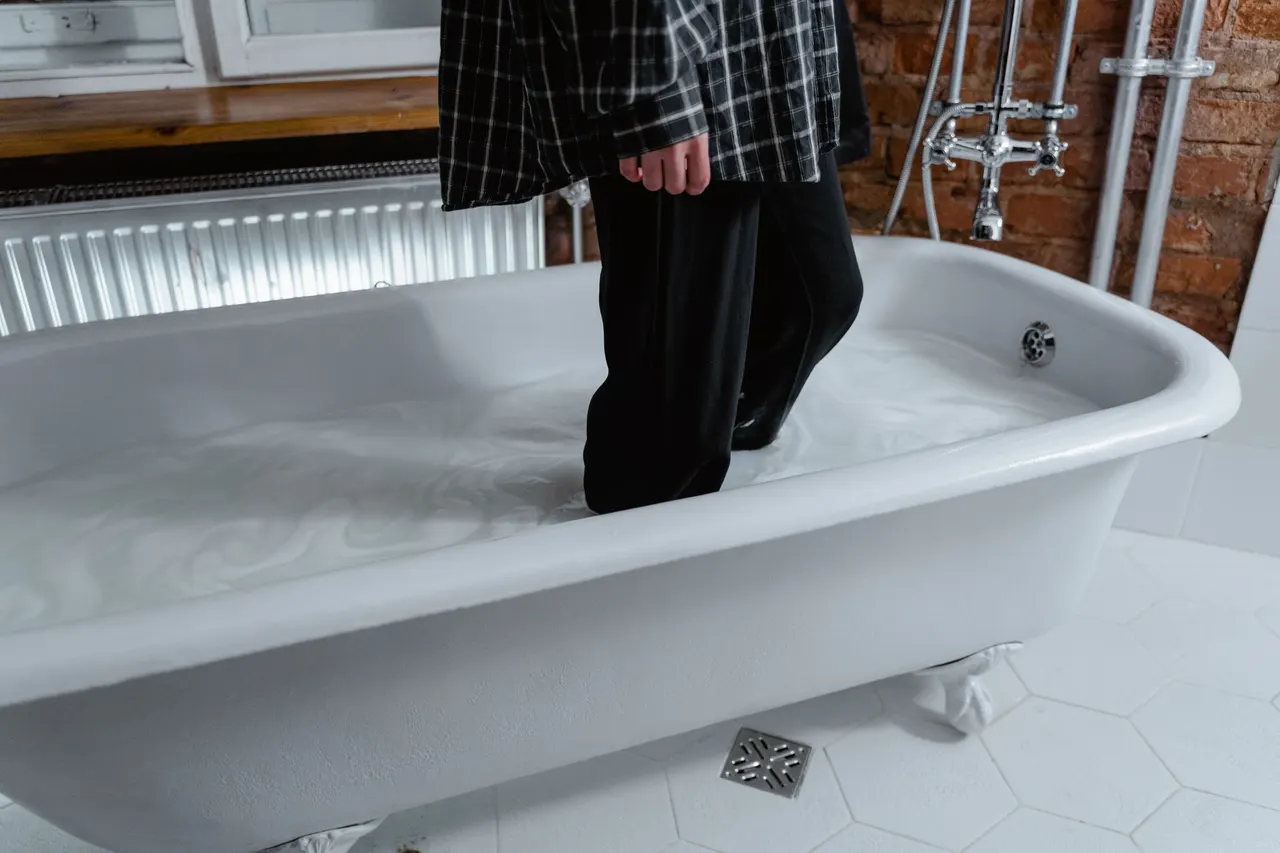
Pool owners in Santee often have irrigation lines running near the pool deck. We isolate the pool from the irrigation system so you know which one is losing water before anyone starts digging.
View service
Irrigation water that escapes a lateral can travel under a patio slab. We use thermal imaging and pressure isolation to tell a slab leak from an irrigation break, so the repair happens in the right place.
View service
Buried mainlines and long lateral runs are our specialty. Tracer gas and acoustic correlation let us follow a line under driveways, planters, and mature trees without trenching the whole run.
View serviceCall us at +16199390817 or email [email protected] and we will get a technician to your door. We answer the phone 24/7 for emergencies and book same-day appointments Monday through Friday. If you are not sure whether you have a leak, call anyway. We will tell you straight.