Focused arrival windows
Useful updates and clear arrival timing.
Faucet Leak Detection in santee is the fastest way to stop a drip that is quietly running up your water bill. We handle residential faucet leak detection santee homeowners call about most: worn cartridges, corroded valve seats, and supply lines weeping under the cabinet. If you have been searching for faucet leak detection near me santee, we can be at your door today.
Useful updates and clear arrival timing.
Review the approach and price before deciding.
Equipped vehicles and respectful cleanup.
Neighbors serving neighbors with follow-through.
Every faucet leak detection visit covers the diagnostic work, the repair, and the verification test. Parts are quoted separately so you see exactly what you are paying for. If the faucet needs full replacement instead of a rebuild, we tell you before we start and you decide.
We connect a Fluke pressure testing gauge to the supply line and hold 60 PSI for 10 minutes. That tells us whether the leak is at the faucet or upstream in the branch line, which changes the repair scope and the price.
We use acoustic listening devices on the valve body and a FLIR thermal imaging camera on the wall behind the faucet. This catches hidden moisture in the cabinet and wall cavity that a visual check would miss entirely.
We pull the cartridge, inspect the seat and O-rings, and rebuild with new seals, Teflon tape, and a fresh cartridge where needed. We stock parts for Delta, Moen, Kohler, and Price Pfister, so most rebuilds finish in one visit.
After the repair we dry the cabinet and take a moisture meter reading. You see the before and after numbers. That is how we confirm the leak is actually stopped and not just hidden behind a closed angle stop.
You get a short written note on what was replaced, the part numbers, and the final pressure reading. If the faucet is under manufacturer warranty, the part numbers make the claim straightforward.
Share what is happening and receive a clear next step from the local team.
Faucet Leak Detection in santee is the process of pinpointing exactly where a faucet is losing water, then confirming it with instruments instead of guesswork. We pressurize the line, watch the gauge hold, and use acoustic listening devices and moisture meters to separate a cartridge failure from a cracked valve body or a weeping supply connection. Most single-fixture calls take 45 to 90 minutes from arrival to a verified, dry result.
Santee sits in San Diego County where hard water runs 8 to 12 grains per gallon, and that mineral load eats rubber seals and brass seats faster than most homeowners expect. In older Carlton Hills and Santee Town Center homes, we routinely find original 1980s copper pipes feeding faucets that have never been rebuilt. If you have been putting off a repair because you are not sure how to fix a leaking faucet in santee, a 10-minute inspection tells you whether it is a $12 cartridge or a valve replacement.

We ask three questions: which fixture, how often it drips, and whether the cabinet below is wet. That tells us whether to bring a cartridge kit, a valve assembly, or a full faucet replacement. The call takes about five minutes and the visit is scheduled in a two-hour window.
On arrival we shut the angle stops and connect a pressure testing gauge to the supply line. A 60 PSI hold for 10 minutes tells us whether the leak is at the faucet or upstream in the branch line. This step separates a simple cartridge job from a hidden leak that needs more investigation.
We use acoustic listening devices on the valve body and a FLIR thermal imaging camera on the wall behind the faucet. Together they show whether water is escaping into the cabinet or tracking down inside the wall. Most scans take 10 to 15 minutes and require no cutting.
We pull the cartridge, inspect the seat and O-rings, and rebuild with new seals, Teflon tape, and a fresh cartridge where needed. If the valve body is cracked, we replace the faucet. Standard rebuilds run 30 to 45 minutes; full replacements run 60 to 90 minutes.
We re-pressurize, run hot and cold for two minutes, and dry the cabinet with a moisture meter reading before and after. You get a photo of the final reading and a written note on what was replaced. If the faucet is under warranty, we note the part numbers for your records.

We hold 60 PSI on the supply line for 10 minutes to confirm whether the leak is at the faucet or upstream in the branch line.
These pick up the sound of water escaping a valve body or supply connection at frequencies the human ear misses, which helps us isolate the exact leak point.
We scan the wall behind the faucet and the cabinet floor to find hidden moisture that a visual inspection would miss entirely.
When a faucet leak does not add up, we run a camera through the drain line to rule out a drain-side leak that is mimicking a supply leak.
Cordless drivers, basin wrenches, and cutoff tools that let us work in tight cabinets without damaging the finish or the countertop.
Precision wrenches and picks for cartridge removal and seat cleaning, which matters on older brass valve bodies that strip easily.
We take a reading before and after the repair so you see the cabinet is dry, not just that the drip stopped.
We shut the angle stops, pressurize the branch line, and watch the gauge. If pressure holds, the leak is at the fixture. If it drops, the leak is upstream and we expand the search. This method keeps us from replacing a faucet when the real problem is a pinhole in a copper pipe.
After the repair, we listen to the valve body with a Sewerin detector while the faucet runs. A clean acoustic profile confirms the seal is seated and no water is escaping around the cartridge. It is a 30-second check that catches a bad rebuild before we leave.
We take a moisture meter reading at the cabinet base before and after the repair. A dry reading after 10 minutes of running water tells us the fix held. If the reading climbs, we keep looking, because a faucet leak can hide a second failure.
We reassemble to California plumbing code with new Teflon tape, proper sealant, and correct torque on the mounting nuts. That matters on older Santee homes where overtightening a brass valve body is the fastest way to turn a $12 repair into a $400 faucet replacement.
We use acoustic listening devices on each valve body to isolate the source without waking the house. A 15-minute scan usually pinpoints the fixture. Then we repair it on the spot if it is a standard cartridge or seal failure. You get a quiet house the same night and a confirmed repair with a moisture meter reading to prove the leak is gone.
We run a full leak detection inspection covering every fixture, supply line, and visible drain connection. You get a written report with photos and pressure readings that satisfies the buyer's repair request without a second negotiation. The repair is documented, the inspection objection clears, and escrow moves forward without a price reduction.
We check every fixture with moisture meters and electronic leak detection equipment, isolate the irrigation zone, and pressure test the main line. Most Santee calls like this end with a faucet or toilet repair plus a baseline reading for next month. You know exactly where the water was going, the leak is fixed, and next month's bill gives you a real comparison point.
We pull the handle, inspect the stem and packing nut, and rebuild with new seals and Teflon tape. If the valve body is cracked from overtightening, we replace the faucet. Standard rebuilds finish in under an hour. The handle turns smoothly, the base stays dry, and you avoid a countertop flood the next time someone uses the sink.
Santee water runs hard, 8 to 12 grains per gallon, and that mineral load is the single biggest driver of faucet leaks we see. It eats rubber seals, scores brass seats, and pits cartridge stems years earlier than the manufacturer expects. In the older tracts around Carlton Hills and Santee Town Center, we still find original 1980s copper pipes feeding faucets that have never been rebuilt, and the vibration wear at the valve connection shows up as a slow weep that soaks the cabinet base. Newer builds in Sky Ranch and Weston use PEX piping, which fails differently: the fitting crimps loosen over time and the leak shows up at the supply connection rather than the valve body. We check line pressure on every call because anything above 80 PSI accelerates all of it, and a $40 pressure-reducing valve replacement often prevents a repeat visit. For faucet leak detection and repair santee CA customers call about most, the repair itself is straightforward. The diagnostic work is what separates a one-visit fix from a callback.
Older housing stock with original copper pipes and builder-grade faucets that are past their service life. We see more valve seat failures here than anywhere else in Santee.
A mix of condos and single-family homes where shared walls make hidden moisture harder to trace. Thermal imaging is essential on these calls.
Newer construction with PEX piping. Faucet leaks here usually trace to a loose supply fitting rather than a worn cartridge.
Higher outdoor water use and irrigation running most of the year. We isolate the irrigation zone from the house line on every bill-spike call.
Family homes with heavy daily fixture use. Cartridge wear shows up faster here, and we stock the common brands to finish in one visit.
Mineral buildup scores brass seats and hardens rubber seals, which is why Santee faucets fail earlier than the manufacturer's expected lifespan. We clean the seat on every rebuild, not just swap the cartridge.
High pressure accelerates seal wear and can cause a repaired faucet to leak again within months. We check pressure on every call and recommend a pressure-reducing valve when the reading is high.
Vibration wear at the valve connection shows up as a slow weep that soaks the cabinet base. We inspect the supply connection on every older-home call, not just the faucet itself.
Outdoor water use can mask a faucet leak on the bill. We isolate the irrigation zone from the house line so we know which side is losing water before we quote a repair.
A homeowner in Carlton Hills had a kitchen faucet dripping once per second for three months. The cabinet base was damp, and the water bill had climbed $34 per month. Two prior plumbers had quoted a full faucet replacement without testing the line.
We pressure tested the branch line, confirmed it held at 60 PSI, and isolated the leak to a worn cartridge and a scored valve seat. A cartridge rebuild and seat cleaning took 40 minutes. The moisture meter reading dropped from 22 percent to 9 percent. The next month's bill was back to baseline.
Maintenance: We recommended a $12 cartridge replacement every three to four years and an annual pressure check. Santee's hard water will wear the new seal on the same schedule, so a cheap part swap beats a $400 faucet replacement.
A Santee Town Center condo owner noticed a musty smell under the guest bathroom sink but no visible water. The cabinet base was soft to the touch. A home inspector had flagged moisture but could not find the source.
We used a FLIR thermal imaging camera to trace the moisture to a weeping supply connection behind the cabinet back panel. The angle stop fitting had loosened over time. We replaced the fitting, resealed the connection, and dried the cabinet. Moisture dropped from 28 percent to 8 percent in 24 hours.
Maintenance: We told the owner to check the cabinet base every six months with a hand test and to call if the wood felt soft. A $15 fitting replacement now prevents a cabinet rebuild later.
A Santee Lakes area homeowner saw a $47 monthly water bill jump with no visible leak. The irrigation system was running normally. Two faucets dripped slightly, and the guest toilet ran intermittently. The owner had no idea which one was the real problem.
We isolated the irrigation zone, then checked every fixture with electronic leak detection equipment and leak detection dye in the toilet tank. The toilet flapper was the main loss at roughly 200 gallons a day. We replaced the flapper and rebuilt both faucet cartridges in one visit. The next bill dropped $41.
Maintenance: We recommended a toilet flapper check every six months and a full fixture inspection once a year. Both are cheap habits that catch a $40 monthly loss before it runs for a full billing cycle.
Most faucet calls fall into a handful of patterns. Here are the ones we see most in Santee, what happens if you ignore them, and how we fix them.
A steady drip wastes 3,000 gallons a year and adds $15 to $40 per month to your Santee water bill. Left alone, it also wears the valve seat and turns a $12 cartridge job into a full faucet replacement. We pressure test the line, pull the cartridge, and inspect the seat for mineral scoring. In most Santee homes the fix is a new cartridge and O-rings, which we carry on the truck. The repair runs 30 to 45 minutes and we verify with a moisture meter before we leave.
Cabinet bases rot fast when they stay wet. A slow supply-line weep can soften a particleboard base in one season and lead to mold behind the cabinet back panel. We use a FLIR thermal imaging camera and moisture meters to trace the water to its source, whether that is the faucet supply connection, the angle stop, or a drain fitting. Then we repair the failed connection and dry-test the cabinet to confirm it stays dry.
Water seeps under the counter edge and into the cabinet seam. Over time it stains the countertop, loosens the caulk line, and can reach the subfloor in a kitchen island installation. We pull the faucet, inspect the base gasket and mounting nuts, and reseal with new gaskets and pipe sealant where needed. If the base is cracked, we replace the faucet. Most base leaks in Santee trace to a hardened gasket that has not been changed since the house was built.
Hidden faucet leaks and running toilets often show up on the bill before they show up on the floor. A $40 monthly jump usually means 3,000 to 5,000 gallons of unexplained loss. We run a full fixture check with electronic leak detection equipment, including toilets, showers, and outdoor spigots. We isolate the house from the irrigation line to confirm which side is losing water, then repair the source and give you a baseline meter reading.
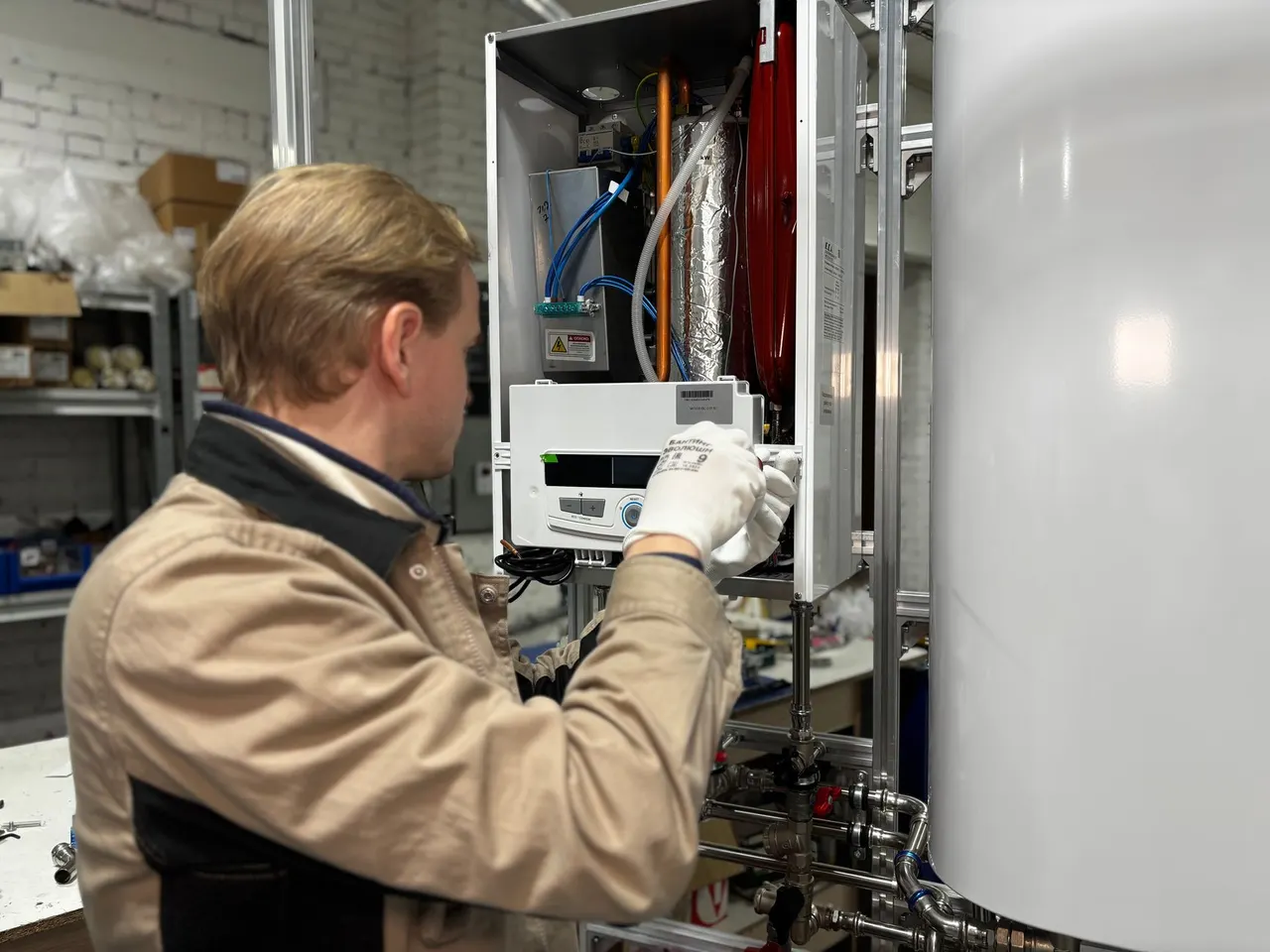
Our technicians hold California Contractor License (C-36 Plumbing) credentials and carry IAPMO certification on fixture repair. We work on copper pipes, PEX piping, and PVC pipes daily, and we are comfortable in the older Santee housing stock where original valve bodies are still in service. Every tech carries Milwaukee and DeWalt tools, a Fluke pressure gauge, and a Sewerin acoustic detector on the truck. We are OSHA safety compliant and carry Backflow Prevention Certification for the jobs that touch a main line.
Most faucet leak detection visits in Santee run $95 to $180 in 2026, and that fee is credited toward the repair if you approve the work. A standard cartridge rebuild adds $85 to $140 in parts and labor. Full faucet replacement runs $320 to $650. If you need affordable faucet leak detection in santee, California, call and we will quote the visit before we roll a truck.
Shut the angle stops under the sink first, then tighten the packing nut a quarter turn with a wrench. If the drip continues, the cartridge or seat is worn and needs replacement. We carry cartridges for Delta, Moen, Kohler, and Price Pfister on the truck, so most stops take under an hour. Do not overtighten the packing nut or you will crack the valve body.
Yes. A faucet dripping once per second wastes about 3,000 gallons a year, which adds roughly $15 to $40 per month to a typical Santee water bill. A steady stream is far worse. We meter the line during the visit and give you a baseline reading so you can compare next month's bill against a real number instead of a guess.
Hard water is the main cause. Santee water runs 8 to 12 grains per gallon, and that mineral load wears rubber seals, corrodes brass seats, and pits cartridge stems. Older copper pipes in Carlton Hills and Santee Town Center add vibration wear at the valve connection. High line pressure above 80 PSI accelerates all of it, which is why we check pressure on every call.
Not seeing your question? Our local team can help you understand urgency, scheduling and what to expect.
Ask the local team
A faucet drip is often the first sign of a larger supply-line problem. We use pressure testing gauges and acoustic listening devices to confirm whether the loss is at the fixture or upstream in the branch line serving your Santee home.
View service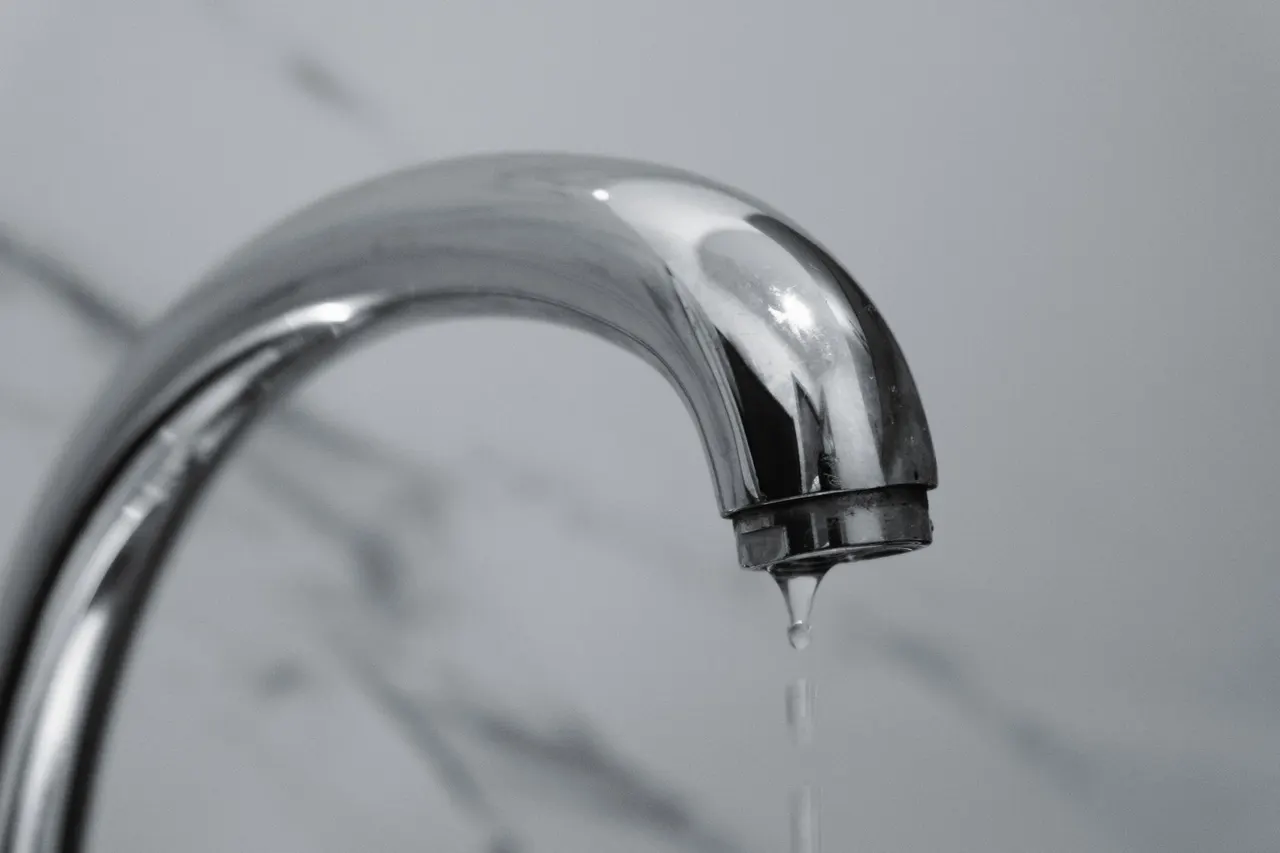
Santee pools lose water to evaporation and leaks alike. If your pool is dropping more than a quarter inch a day, we use leak detection dye and pressure testing to separate a real pool leak from normal loss before it undermines the deck.
View service
A faucet that will not stop dripping can point to pressure problems under the slab. We use thermal imaging cameras and acoustic detectors to map slab leaks in Santee homes without breaking concrete until we know exactly where to cut.
View service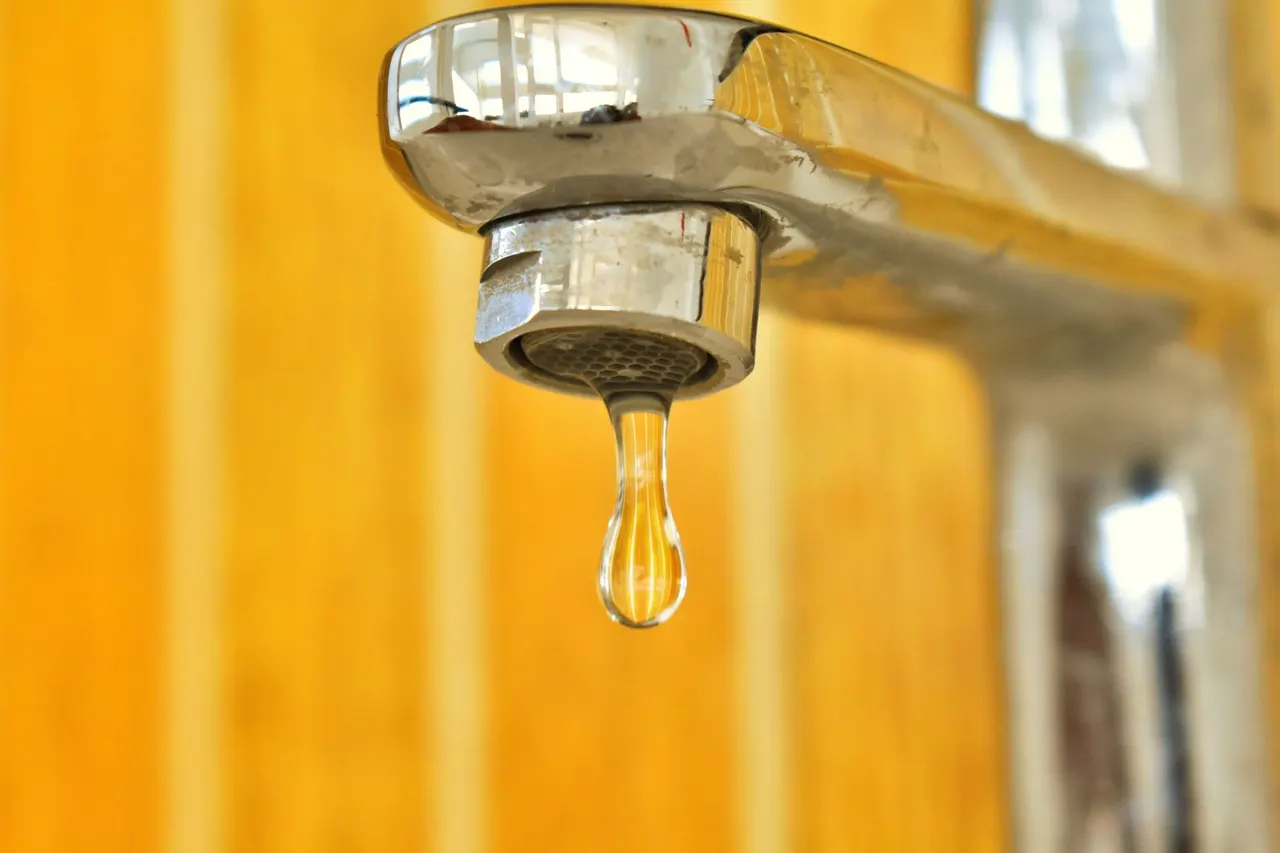
Underground pipe leaks in Santee yards often show up as a wet patch or a spiking meter. We use tracer gas detectors and acoustic equipment to trace the line from the meter to the house and pinpoint the break before we dig.
View serviceCall us at +16199390817 or email [email protected] and we will get a technician to your door. We answer the phone 24/7 for emergencies and book same-day appointments Monday through Friday. If you are not sure whether you have a leak, call anyway. We will tell you straight.