Focused arrival windows
Useful updates and clear arrival timing.
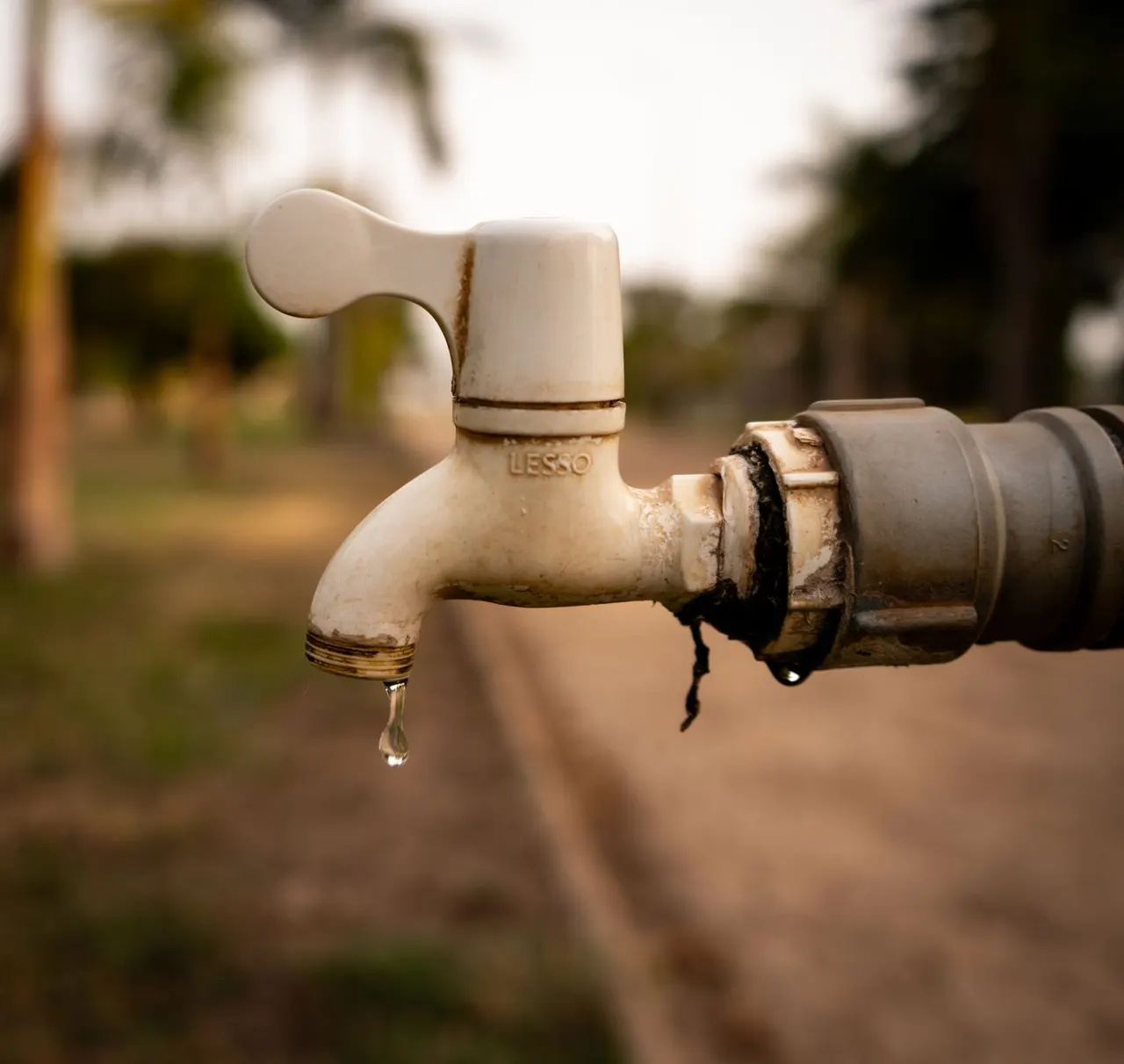
Emergency Leak Detection in santee is the service you call when water is where it should not be. We send a licensed technician to your door, locate the source with acoustic listening devices and thermal imaging cameras, and stop the damage from spreading. Homeowners, landlords, and property managers across San Diego County call us because we find the leak, fix it, and test the line before we leave.
Useful updates and clear arrival timing.
Review the approach and price before deciding.
Equipped vehicles and respectful cleanup.
Neighbors serving neighbors with follow-through.
Every emergency call includes the diagnostic work needed to find the leak and a written repair range before we start. The diagnostic fee covers the on-site visit, system isolation, and a written report. Repair parts and labor are quoted separately once we know what failed. If the repair is bigger than a single fitting, we explain the options and you choose.
A licensed tech arrives with acoustic listening devices, a thermal imaging camera, and moisture meters. We isolate the system and narrow the leak to a small area before we open anything. Most leaks are located in under 90 minutes.
We pressure-test the hot, cold, and irrigation sides of the system to confirm which line is failing. This step separates a supply leak from a drain leak and keeps the repair focused on the right pipe.
You get a written range before work starts, with the access point marked and the repair method explained. If the fix is a pipe repair clamp and epoxy resin, we say so. If it needs a section replacement, we price that.
We make the repair and pressure-test the line again, then re-scan with the moisture meter to confirm it is dry. The access point is closed and the work area cleaned before we leave.
Every job includes photos of the leak, the repair, and the moisture readings. If your homeowner policy covers the damage, you have the paperwork your adjuster needs on the first pass.
Share what is happening and receive a clear next step from the local team.
Emergency Leak Detection in santee is a diagnostic service that finds the source of an active water, sewer, or gas leak and stops the damage before it spreads. We use acoustic listening devices, thermal imaging cameras, and electronic leak detection equipment to trace hidden water leaks through drywall, slab, and soil without tearing your home apart. A technician arrives with pressure testing gauges and moisture meters, isolates the failed line, and gives you a clear repair plan the same visit.
In santee, the calls come in waves. Older copper pipes under Carlton Hills slabs fail after years of hard water, and the leak surfaces as a warm spot on the floor or a water bill that doubles. Winter rains push irrigation system leaks and roof leaks into the open. If you have been searching emergency leak detection santee CA near me at 2 a.m., we answer the phone and dispatch a tech with the right gear, not a callback in the morning.

You call and describe what you see: water on the floor, a spike in the water bill, a hissing sound, or a wet spot that keeps coming back. We ask a few questions to rule out a simple shutoff issue, then dispatch the closest tech with the right gear. Most calls are on-site within 60 minutes.
The tech shuts off the supply at the meter or fixture, then isolates the hot, cold, and irrigation sides of the system with pressure testing gauges. This narrows the search to one line or zone in 15 to 30 minutes. You get a clear explanation of what is isolated and what is still live.
We sweep the suspect area with acoustic listening devices and a thermal imaging camera. An infrared thermometer confirms temperature anomalies, and a moisture meter maps the wet zone. On slab and underground lines, tracer gas detectors and video pipe inspection systems confirm the exact break point before we open anything.
You get a written repair range before work starts, with the access point marked and the repair method explained. If it is a pipe repair clamp and epoxy resin fix, we say so. If the line needs a section replacement in copper pipes or PEX piping, we price that too. You approve before we cut.
We make the repair, then pressure-test the line and re-scan with the moisture meter to confirm it is dry. The work area is cleaned and the access point closed. You get photos of the before and after, plus a written summary for your records or insurance claim.
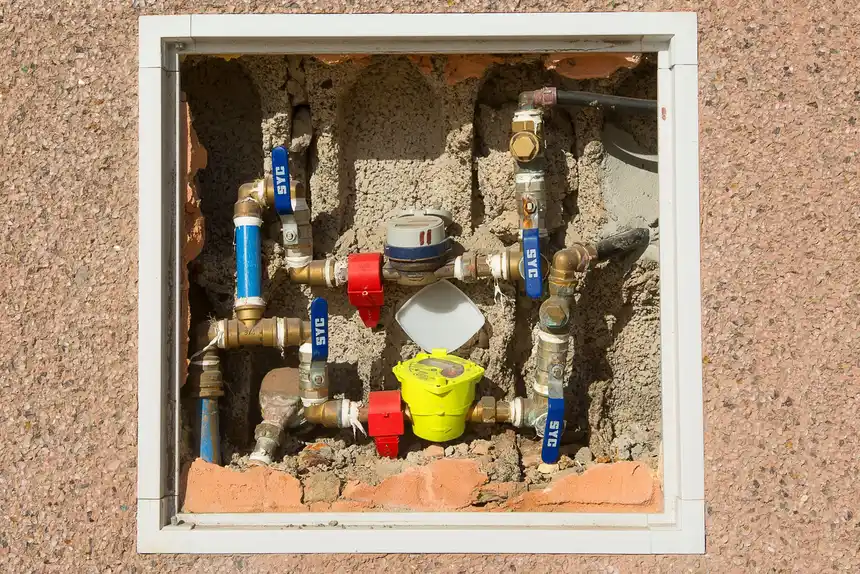
Picks up the sound of water escaping a pipe under slab or behind a wall, narrowing the search to a small area.
Shows temperature differences caused by escaping water on ceilings, walls, and floors without cutting into the surface.
Reads moisture and pressure changes that the eye cannot see, confirming the leak and verifying the repair.
Isolates the hot, cold, and irrigation sides of the system to confirm which line is failing.
Confirms the exact break point on underground and slab lines before we open anything.
Runs a camera through sewer and drain lines to find breaks, bellies, and root intrusion.
Maps the wet zone and confirms the area is dry after the repair.
We shut off the supply and isolate the hot, cold, and irrigation sides with pressure testing gauges. This narrows the search to one line or zone in 15 to 30 minutes, so the diagnostic stays focused.
We sweep the suspect area with acoustic listening devices and a thermal imaging camera, then confirm with a moisture meter. This locates the leak before any demolition and keeps the repair small.
On slab and underground lines, we inject a tracer gas and read it with a Sewerin detector, then confirm with a RIDGID camera. This is how we pinpoint a break to within a few inches.
We repair the line to current plumbing code, using copper pipes, PEX piping, or PVC pipes as the situation calls for. Then we pressure-test and re-scan with the moisture meter to confirm it is dry.
We isolate the supply lines with pressure testing gauges and use acoustic listening devices to trace the sound to the failed pipe. Most cases are located in under an hour. You get the leak found and repaired before it soaks a slab or ceiling.
We test the system, check the meter, and scan for moisture with a thermal imaging camera. A silent toilet or irrigation leak is often the cause. You find the source and stop the waste before the next bill.
We map the wet zone with moisture meters and infrared thermometers, then trace the source with acoustic gear. We repair the line and confirm it is dry. The spot stops returning and the repair is documented for insurance.
We use tracer gas detectors and electronic leak detection equipment to find the source on the gas line or appliance connection, then repair or replace the failed section. The leak is isolated and repaired, and the line is tested before we leave.
Santee sits in San Diego County with a mix of older slab-on-grade homes and newer construction, and the leaks follow the housing stock. In Carlton Hills and Carlton Oaks, we see copper pipes under slabs fail after years of hard water, showing up as a warm floor or a water bill that doubles. In Weston and Sky Ranch, newer PEX piping and irrigation systems are more common, and the calls lean toward irrigation system leaks and water heater failures. Winter rain pushes roof leaks and foundation leaks into the open, while summer heat stresses irrigation lines. If you need emergency leak detection open now santee CA, we answer live and dispatch a stocked truck. We serve ZIP codes 92071 and 92040 and work to California plumbing code on every repair.
Older slab-on-grade homes with copper pipes under the foundation. Slab leaks are common and show up as warm spots or a spiking water bill.
Newer construction with PEX piping and irrigation systems. Irrigation leaks and water heater failures are the most frequent calls.
A mix of condos and commercial property. After-hours calls often involve shared walls and water heaters in tight closets.
Tile floors over slab make hidden leaks hard to see. Thermal imaging is the fastest way to map the wet zone without pulling tile.
Higher water tables and irrigation-heavy landscaping mean underground pipe leaks and sprinkler system leaks surface faster after rain.
Hard water scales copper pipes and speeds pinhole failures, especially under slabs in older neighborhoods. Pressure testing and acoustic gear find the break fast.
Saturated soil after winter storms pushes roof leaks and foundation leaks into the open. We see a spike in calls from December through March.
Irrigation systems run harder in summer, and failed valves and lines waste water fast. We pressure-test each zone to find the failure before the next cycle.
A homeowner in Carlton Hills noticed a warm spot on the hallway floor and a water bill that had doubled in one cycle. Two other companies recommended jackhammering the whole hallway to look for the leak.
We isolated the hot side, swept the floor with a thermal imaging camera, and pinpointed a pinhole in a copper line within 40 minutes. We opened a 12-inch square, repaired the line, and pressure-tested it. The floor was dry the next morning.
Maintenance: We recommended a pressure test every two years on the remaining copper lines and a water softener to slow scale buildup.
A tenant in Weston called at 11 p.m. with water spreading across a garage floor from the water heater. The tank had failed at the seam and was leaking steadily.
We walked the tenant through shutting off the supply over the phone, arrived within the hour, and confirmed the tank had failed. We replaced the heater the next morning, hauled away the old unit, and tested the new one. The garage was dry by noon.
Maintenance: We flushed the new tank and set a reminder to flush it once a year to keep sediment from shortening its life.
A pool was losing about an inch of water a day, and two companies told the owner it was evaporation. The water level kept dropping even with the pump off.
We pressure-tested the return lines, used leak detection dye, and found a cracked return line about 18 inches below the deck. We repaired it the same visit and the water level held steady through the next week.
Maintenance: We recommended a monthly visual check of the pump basket and a pressure test on the lines each spring before swim season.
Most emergency calls come down to a handful of failures. We see them every week in santee, and we carry the parts to fix most of them on the first visit.
Water under a slab can crack the foundation and ruin flooring. The longer it runs, the bigger the repair. We use acoustic listening devices and thermal imaging to pinpoint the break, then repair the copper or PEX line with minimal concrete removal. Most slab leaks are fixed in one day.
A tank leak can flood a garage and damage stored items within hours. It usually means the tank has failed. We shut off the supply, confirm whether the leak is the tank or a fitting, and replace the heater the same day when possible. We haul away the old unit and test the new one before we leave.
A concealed leak can rot framing and grow mold for weeks before it shows on the surface. We scan with a thermal imaging camera and moisture meter to map the wet zone, then open only the small area needed for the repair. The line is pressure-tested after the fix.
A failed irrigation line wastes water and can undermine a foundation or wash out a slope. We pressure-test each zone, find the failed valve or line, and repair it before the next watering cycle. We also check the backflow device while we are on site.
Our technicians train on the same equipment the utilities use: RIDGID and General Pipe Cleaners inspection cameras, Fluke and FLIR thermal imagers, Sewerin and Gutermann acoustic and tracer gas gear. We hold a California Contractor License (C-36 Plumbing), carry IAPMO certification, and follow EPA WaterSense guidance on every repair. That matters in santee, where slab leaks, pool leaks, and underground pipe leaks are routine and a wrong guess costs real money.
Most emergency leak detection calls in santee run $180 to $450 for the diagnostic, and the repair is quoted separately once we find the source. After-hours and weekend calls sit at the higher end. The diagnostic fee covers the on-site visit, pressure testing, and a written report. If you approve the repair the same visit, we credit part of the diagnostic toward the work.
Call a licensed plumbing contractor with 24/7 dispatch, like our team at Leak Detection Experts santee ca. We answer live, dispatch a tech with diagnostic gear, and can shut off the supply over the phone while you wait. For a gas leak, call SoCalGas first, then call us for the line repair. For a sewer backup, we handle the line inspection and repair.
Yes. Our 24/7 emergency leak detection santee CA service runs every day of the year, including holidays. Nights and weekends are staffed, not forwarded to voicemail. If you call at 3 a.m. with water coming through a ceiling, a technician answers and a truck is dispatched. Most after-hours calls are on-site within 60 to 90 minutes.
Shut off the main water valve at the meter or the fixture supply, then call us. If water is near an electrical panel or outlet, do not touch it; kill the breaker from a dry location or call an electrician first. Move furniture and rugs off the wet area, and take photos before cleanup for your insurance claim. We will locate the source and stop the leak.
Not seeing your question? Our local team can help you understand urgency, scheduling and what to expect.
Ask the local team
Water leak detection is the first step on most emergency calls. We trace hidden water leaks through walls, ceilings, and floors with moisture meters and thermal imaging before any repair starts, so the fix lands on the right pipe.
View service
A pool losing an inch a day is a pool leak, not evaporation. We pressure-test the plumbing and use leak detection dye to find the break, then repair it before the surrounding deck or soil washes out.
View service
Slab leaks are common in older santee homes with copper pipes under the foundation. We use acoustic listening devices and thermal imaging to pinpoint the break, then repair with minimal concrete removal.
View service
Underground pipe leaks waste water and undermine soil. We use tracer gas detectors and acoustic gear to trace the line without digging up the whole yard, then repair the failed section.
View serviceCall us at +16199390817 or email [email protected] and we will get a technician to your door. We answer the phone 24/7 for emergencies and book same-day appointments Monday through Friday. If you are not sure whether you have a leak, call anyway. We will tell you straight.